


Six in 10 of Illinois' dead are cremated and the trend has Peru's columbarium filled to capacity. The city is addressing the need for space to house urns.
When Ronald Reagan was president, only about one in 10 Americans was cremated. Today, that figure has soared to six in 10. Peru City Cemetery reflects that trend.
The city’s columbarium – the round, miniature mausoleum that houses urns – is full. It has been at capacity for at least a year. City officials have a plan to create more space for families to repose the cremains of loved ones.
Monday, the Peru City Council approved a $9,425 proposal from Ladzinski Cement Finishing. Ladzinski’s job is to pour two foundations behind the round columbarium. Atop the foundations will go a pair of walls with more than 150 “niches” for the storage of urns.
City Clerk Jamey Mertel said he anticipates a flood of calls seeking to acquire the spaces once the project is completed, loosely targeted for spring 2027. “We’re not going to sell them out right off the bat,” Mertel allowed, “but we’ve had people inquire over the past few years.” The expansion also underscores a shift in how Illinois Valley families bury their dead.
Twenty years ago, a city employee named Andy Dellinger presented the option of a columbarium for the cemetery. “What a columbarium is, is imagine a mini-mausoleum where instead of putting bodies in, you put cremains or ashes,” Dellinger said in late 2025. “These would be pre-made; we would get it in, set it up and it would be ready to go.”
City officials were easily persuaded. Statistics for Peru City Cemetery showed that in 1980 only 9.5% of the dead were cremated. By the time Dellinger made his pitch, that figure had climbed to about one-third.
Mindful of the trend, the city council approved the purchase of a $40,500 columbarium, which was completed and opened in 2006. It filled up steadily. Neither the city nor local funeral directors were surprised when the columbarium reached capacity.
Today, 60% of funeral services in Illinois include cremation. John Hurst, owner of Hurst Funeral Homes, said his in-house statistics mirror that percentage to a T. Hurst, a funeral director since 1981, said the trend was driven in part by a somewhat misguided sense of environmental stewardship. Though local cemeteries typically have plenty of space for future burial plots, he said, local families mistakenly think we’re running out of land for burial and opt for cremation to preserve space.
“But cremation is much cheaper than burial and there’s no denying the convenience,” Hurst said. “Family members live all over the country and need time to arrive for services. With cremation, they can have the services later and dispose of the ashes later.”
Knowing all this, Mertel inquired about expanding the columbarium and proposed a capital investment by the city. Talks of expansion kicked into high gear in March when Mertel presented quote sheets from Eickhof Columbaria. In June, the council approved a proposal for $79,316 to raise two walls each holding 156 niches (8 square inches) to contain new urns.
- Published
- Jul 14, 2026
- Updated
- Jul 14, 2026
- Source
- Shaw Local
- Category
- Politics
- Read time
- 2 min
Key facts
Why this matters locally
This politics story matters locally because it may affect readers, businesses, commuters, families, or public services in British Columbia.
Local impact
BC Post links this item to British Columbia coverage so readers can follow related city updates, weather, traffic, events, and category news in one place.
Timeline
Source and credit
BC Post may summarize, organize, and add local context for reader clarity. Original reporting remains with the listed publisher.
Related Articles
View all Politics
Powerful pro-life ad featuring boxing legend to air during final World Cup matches
Politics
Powerful pro-life ad featuring boxing legend to air during final World Cup matches
 Politics
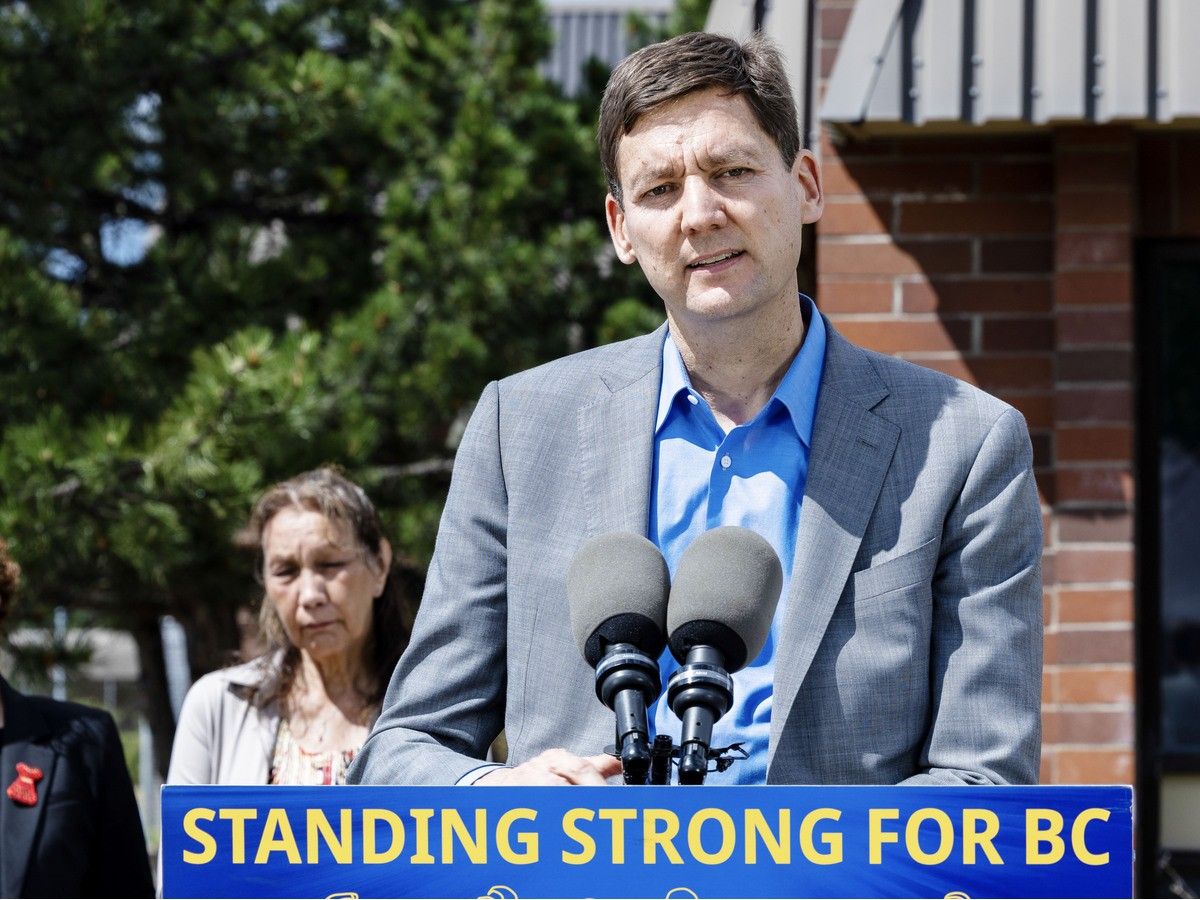
Vaughn Palmer: David Eby's slow and expensive step toward involuntary care
Politics
Vaughn Palmer: David Eby's slow and expensive step toward involuntary care
 Politics
Corus rebuts misinformation about future of Global News in Alberta after layoffs
Politics
Corus rebuts misinformation about future of Global News in Alberta after layoffs
 Politics
Pitt Meadows to host information session for city council candidates
Politics
Pitt Meadows to host information session for city council candidates
 Politics
‘No consequences’: East Van woman says she was targeted by hate-motivated assault
Politics
‘No consequences’: East Van woman says she was targeted by hate-motivated assault
 Politics
Hundreds of enthusiatic supporters attend Surrey Mayor Brenda Locke’s fundarising dinner
Politics
Hundreds of enthusiatic supporters attend Surrey Mayor Brenda Locke’s fundarising dinner
More Local Coverage
Latest news Business
AI Market Trends: Q2 2026 Review and Forecast
Business
AI Market Trends: Q2 2026 Review and Forecast
 Local News
Cowichan sports shorts: rugby, hockey, biking
Local News
Cowichan sports shorts: rugby, hockey, biking