

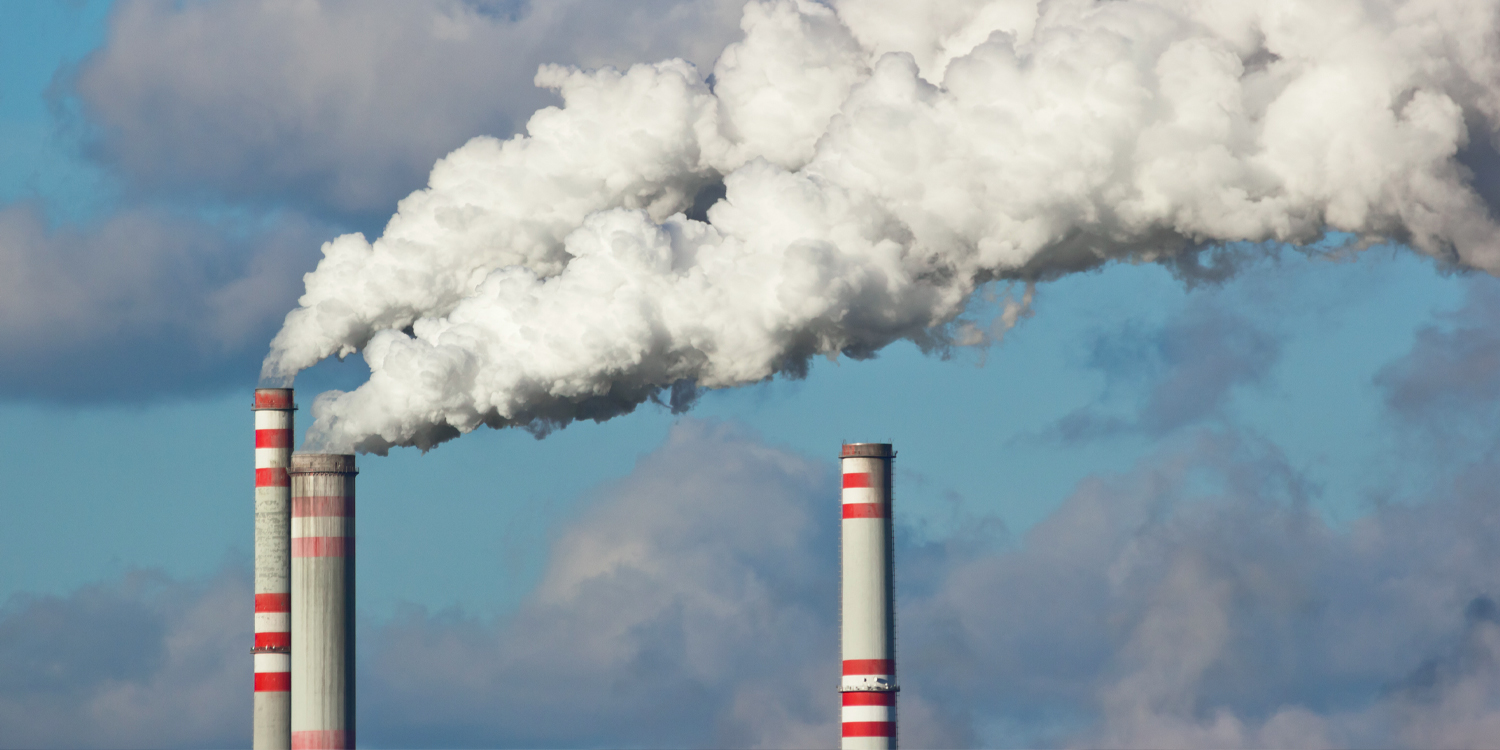
A new geographical psychology study reveals that a state's socioeconomic status and air pollution levels are the strongest predictors of its autism rates, explaining over half the geographic variance in diagnoses across the United States.
A recent study published in Psychological Reports suggests that a state’s socioeconomic status and its levels of air pollution are the strongest predictors of its Autism Spectrum Disorder prevalence. The research provides evidence that higher average wealth and education, combined with higher microscopic particle pollution, tend to align with higher rates of autism diagnoses across the United States. These findings offer a new perspective on how broad environmental factors interact with regional health trends.
Autism Spectrum Disorder, commonly referred to as ASD, is a developmental condition that affects how people communicate, learn, and interact with the world. Over the past twenty years, the rate of autism diagnoses has increased significantly across the country. However, the prevalence of these diagnoses is not uniform, and some U.S. states report noticeably higher numbers of autism cases than others.
Stewart J. H. McCann, professor emeritus in the department of psychology at Cape Breton University, conducted the new study to explore what might be driving these regional differences. He wanted to see how various social, economic, and environmental factors interact to predict state-level autism rates. The overarching framework for the project relies on geographical psychology, which is a scientific field that maps how psychological traits, health outcomes, and behaviors organize themselves across physical spaces.
McCann has spent decades mapping these types of psychological and physical differences across the country. “Most of my research in the past 20 years has focused on the implications of the geographical dispersion of personality and other individual differences across the U.S. states,” McCann said. He noted that his past studies have covered a wide variety of topics, including emotional health, obesity, voting habits, labor force participation, and Alzheimer’s disease.
He decided to turn his attention to the rising rates of autism development to see if geographic patterns could offer new insights. “The contemporary interest shown by the federal government and others in the rather alarming increases in the reported prevalence of ASD over recent years spurred my curiosity regarding the potential factors that might be involved in the differences in the U.S. state ASD rates,” McCann explained. Past research on individuals suggests that autism diagnoses are associated with a wide array of variables.
These include maternal age, local healthcare availability, urban living, and racial demographics. Interestingly, many of these same variables also share a strong relationship with socioeconomic status, which is a combined measure of a person’s income and educational background. Socioeconomic status, often abbreviated as SES, tends to be a heavy influence in all areas of sociological and health research.
McCann noticed that because SES is so deeply intertwined with other factors like healthcare access and city living, it might be the underlying reason why those other factors seem to predict autism rates. He set out to test fifteen different variables at the state level to see which ones actually maintain their predictive power when SES is factored into the mathematical equation. To conduct the study, McCann gathered data from all fifty U.S. states.
He focused primarily on information from the year 2017. He utilized a statistical model to analyze state-wide autism prevalence rates for adults aged 18 to 84, and he then collected state-level data for fifteen potential predictors to see how they aligned with the autism numbers. These predictors included SES, racial demographics, average intelligence scores, urbanization percentages, and the concentration of microscopic air pollution particles.
The
Source and reference
author also factored in the number of local mental health and pediatric providers, physician shortages, education spending per student, and the percentage of uninsured residents. In addition, the study included data on maternal age, obesity rates before pregnancy, low birth weight percentages, and enrollment in government health insurance programs like Medicaid. McCann also measured early childhood policy strategies, known as prenatal-to-3 policies, which evaluate how well a state supports equitable early childhood care. Finally, the study looked at a state’s average personality profile, utilizing the Big Five personality traits, which measure openness, conscientiousness, extraversion, agreeableness, and neuroticism. McCann first looked at how each of these variables related to autism rates on a basic level. The initial analysis showed that autism rates correlated significantly with...
Read original source- Published
- Jul 13, 2026
- Updated
- Jul 13, 2026
- Source
- Psypost - Psychology News
- Category
- Environment
- Read time
- 7 min
Key facts
Why this matters locally
This environment story matters locally because it may affect readers, businesses, commuters, families, or public services in British Columbia.
Local impact
BC Post links this item to British Columbia coverage so readers can follow related city updates, weather, traffic, events, and category news in one place.
Timeline
Source and credit
BC Post may summarize, organize, and add local context for reader clarity. Original reporting remains with the listed publisher.
Related Articles
View all Environment
50-hectare wildfire burns between Clearwater and 100 Mile House
Environment
50-hectare wildfire burns between Clearwater and 100 Mile House
 Environment
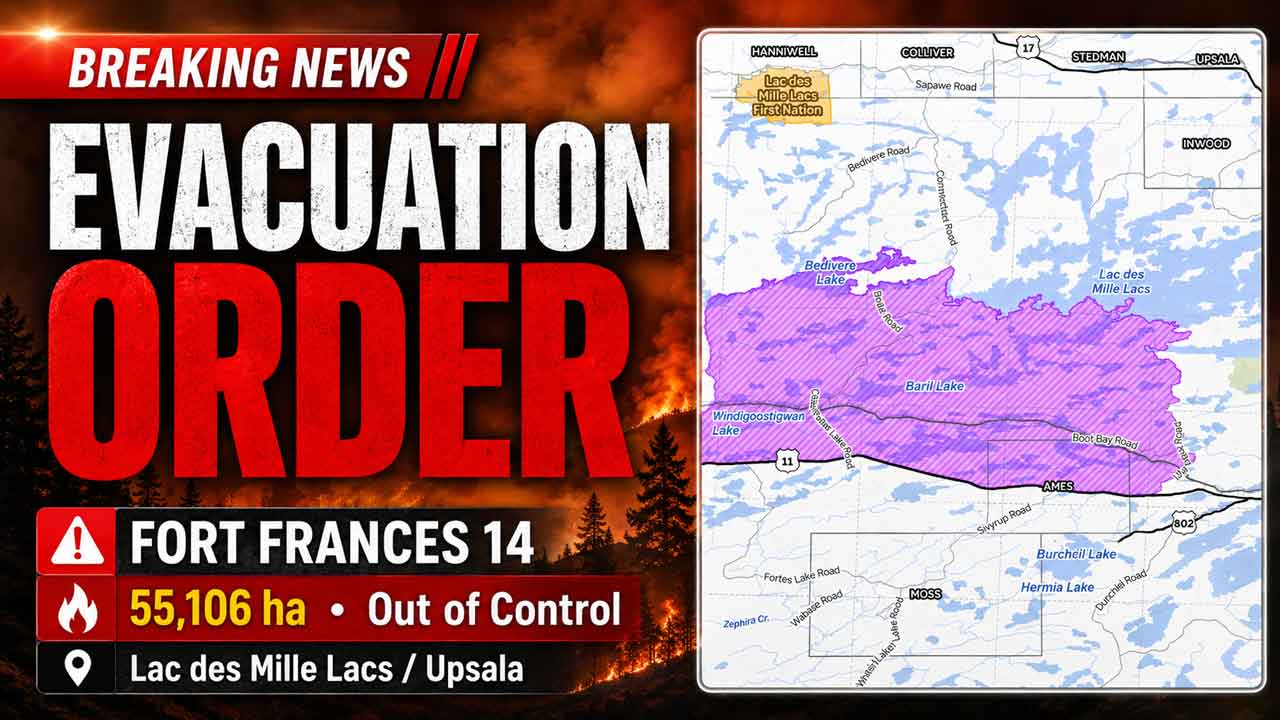
Updated Evacuation Information for Wildfire Fort Frances 14 (July 17 2026)
Environment
Updated Evacuation Information for Wildfire Fort Frances 14 (July 17 2026)
 Environment
A powerful movement of healing arrives at Delta’s Discovery Centre
Environment
A powerful movement of healing arrives at Delta’s Discovery Centre
 Environment
EU Excludes Soybean Seed from Deforestation Rules
Environment
EU Excludes Soybean Seed from Deforestation Rules
 Environment
Metro Vancouver issues air quality warning as wildfire smoke drifts in
Environment
Metro Vancouver issues air quality warning as wildfire smoke drifts in
 Environment
Vancouver forecast in 'sweet spot' but hot temperatures on the way
Environment
Vancouver forecast in 'sweet spot' but hot temperatures on the way
More Local Coverage
Latest news Business
AI Market Trends: Q2 2026 Review and Forecast
Business
AI Market Trends: Q2 2026 Review and Forecast
 Politics
Powerful pro-life ad featuring boxing legend to air during final World Cup matches
Politics
Powerful pro-life ad featuring boxing legend to air during final World Cup matches