

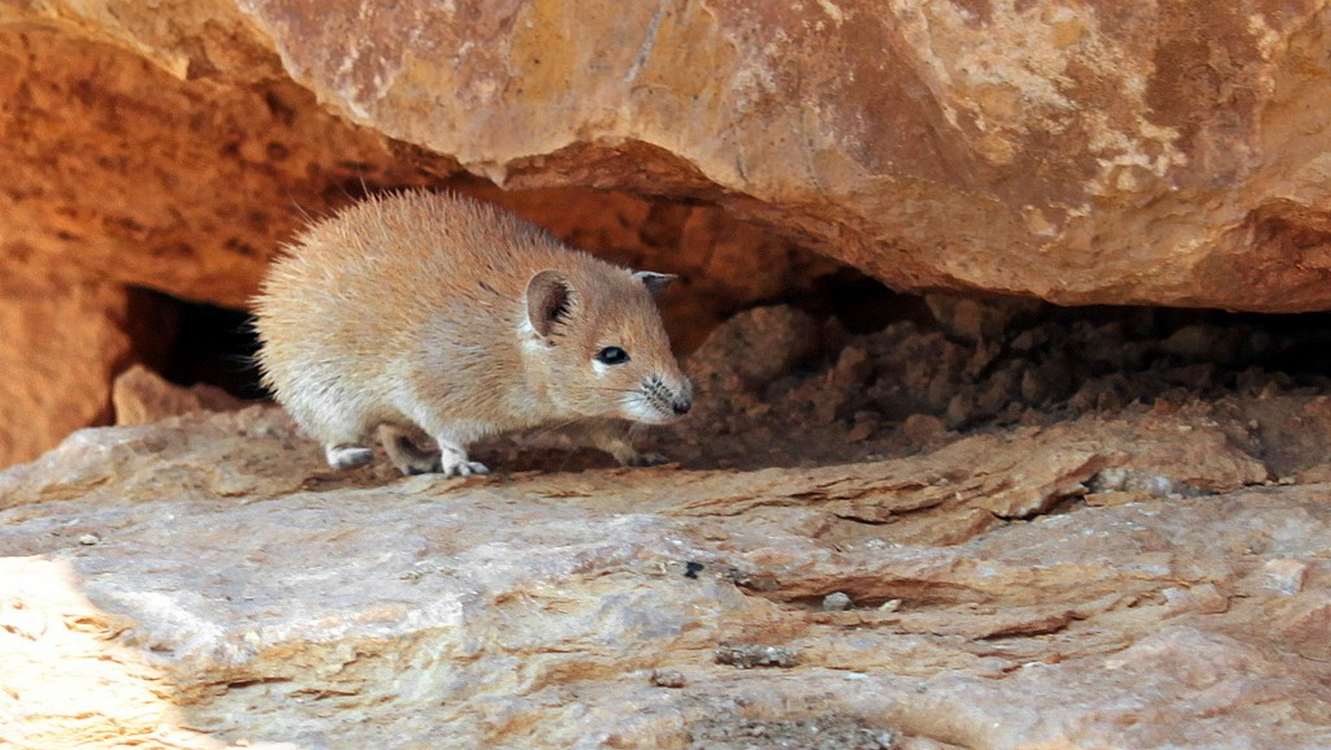
A protein associated with longevity in humans has recently been found at high concentrations in an extraordinarily long-living mouse. The discovery makes the case for more research into a poorly-understood, potentially gene-determined, metabolic pathway for healthy aging that could help scientists better understand the aging process across mammals. The golden spiny mouse is unusual among [...] The post This Extraordinary Desert Mouse Defies Aging–and it Could Change Human Longevity appeared first on Good News Network .
A protein associated with longevity in humans has recently been found at high concentrations in an extraordinarily long-living mouse. The discovery makes the case for more research into a poorly-understood, potentially gene-determined, metabolic pathway for healthy aging that could help scientists better understand the aging process across mammals. The golden spiny mouse is unusual among rodents.
Active during the day rather than at night, if a human being had the equivalent life-expectancy of this resident of the Middle-Eastern deserts, than we wouldn’t need a Supreme Court to interpret the Founders’ language in the Constitution: they’d still be alive today and we could ask them about it. “Mice in the wild typically live around 9 months,” says senior
Source and reference
author Vishwa Deep Dixit, a Professor of Pathology at Yale School of Medicine. “But some of these golden spiny mice are living out in the desert for up to five years. And that’s just what we’ve been able to observe; their maximum lifespan is unknown.” “In order to live that long, they have to forage, they have to avoid predators. So it’s not like they’re living this long in a way that we would think of as ‘aged.’” What the Yale professor means is that their “healthspan” seems to be as long as their “lifespan,” or described differently, the mice retain many of their physical and mental capabilities right up until their eldest days. Biology’s primary objective as regards aging is to maximize the effectiveness of a breeding strategy. Nature is a brutal environment where most animals die young from predators or the elements, so natural selection has few reasons to select long life as a...
Read original source- Published
- Jul 13, 2026
- Updated
- Jul 13, 2026
- Source
- Good News Network
- Category
- Lifestyle
- Read time
- 3 min
Key facts
Why this matters locally
This lifestyle story matters locally because it may affect readers, businesses, commuters, families, or public services in British Columbia.
Local impact
BC Post links this item to British Columbia coverage so readers can follow related city updates, weather, traffic, events, and category news in one place.
Timeline
Source and credit
BC Post may summarize, organize, and add local context for reader clarity. Original reporting remains with the listed publisher.
Related Articles
View all Lifestyle
PHOTOS: Cyclists in Chilliwack ride in rain to raise funds for multiple sclerosis
Lifestyle
PHOTOS: Cyclists in Chilliwack ride in rain to raise funds for multiple sclerosis
 Lifestyle
Feds provide $345,000 to expand accessible housing at Community Living Huntsville’s Floral Villa
Lifestyle
Feds provide $345,000 to expand accessible housing at Community Living Huntsville’s Floral Villa
 Lifestyle
From overlooked recruit to featured player: Yorkville Christian grad David Douglas Jr. comes home to NIU
Lifestyle
From overlooked recruit to featured player: Yorkville Christian grad David Douglas Jr. comes home to NIU
 Lifestyle
Teen hit in crosswalk faces long recovery
Lifestyle
Teen hit in crosswalk faces long recovery
 Lifestyle
City of Lethbridge formally agrees to contribute funding for future 32-bed recovery facility
Lifestyle
City of Lethbridge formally agrees to contribute funding for future 32-bed recovery facility
 Lifestyle
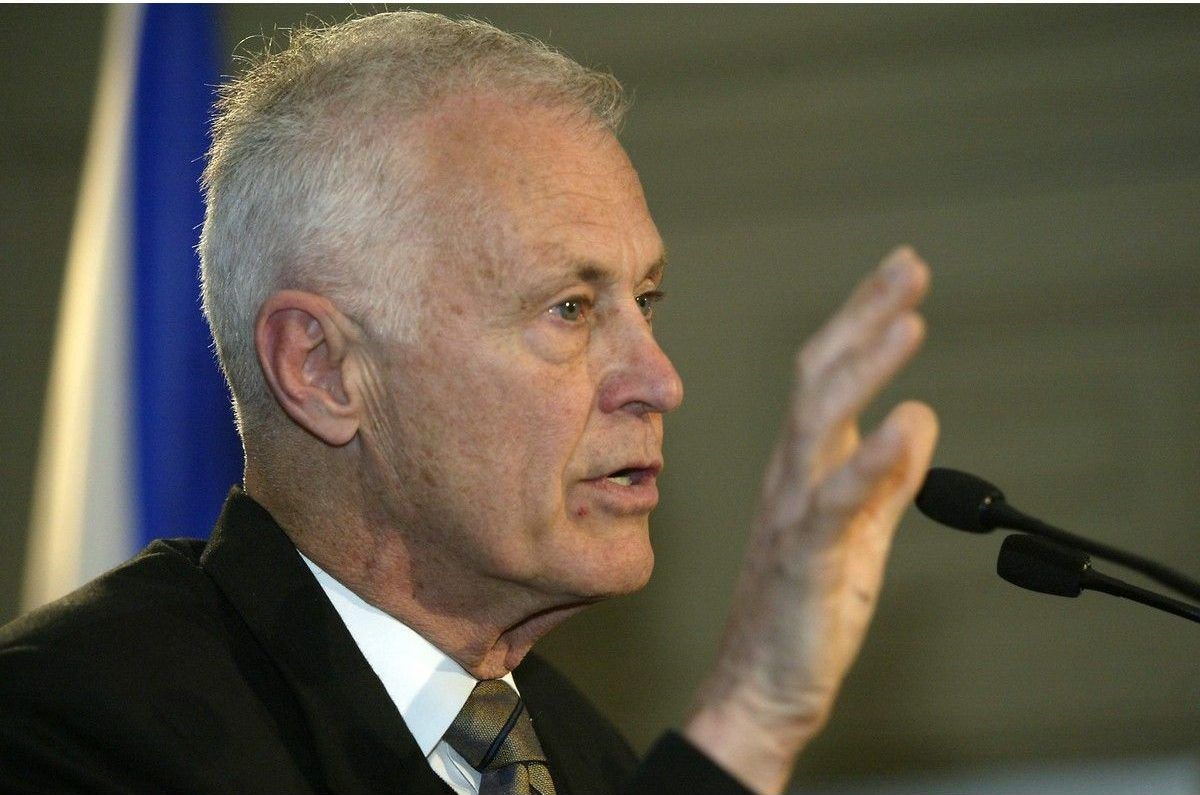
Former Nova Scotia premier John Hamm dies at 88
Lifestyle
Former Nova Scotia premier John Hamm dies at 88
More Local Coverage
Latest news Politics
Powerful pro-life ad featuring boxing legend to air during final World Cup matches
Politics
Powerful pro-life ad featuring boxing legend to air during final World Cup matches
 Local News
Cowichan sports shorts: rugby, hockey, biking
Local News
Cowichan sports shorts: rugby, hockey, biking