

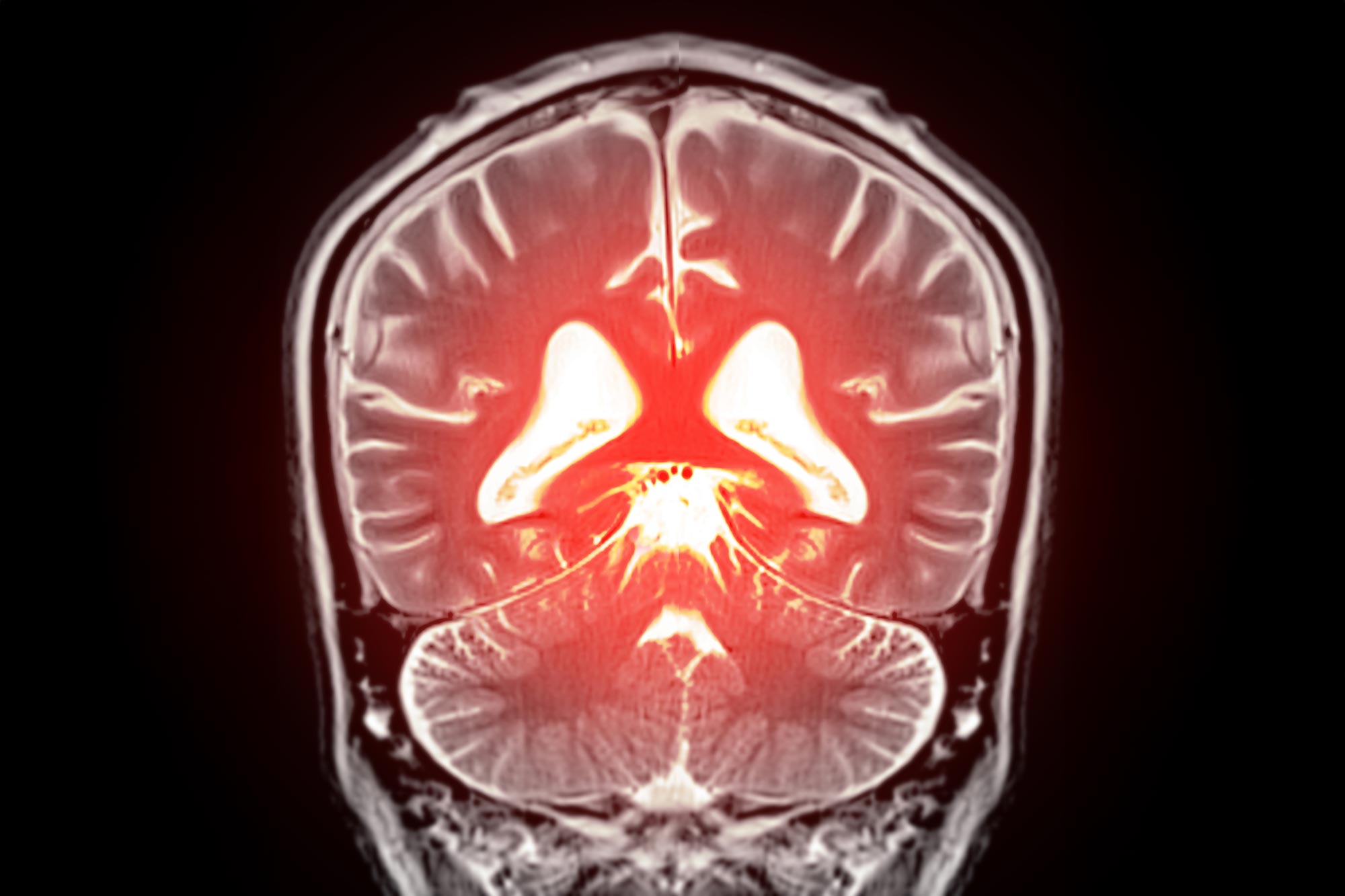
A newly identified protein pathway may link blood-brain barrier deterioration to age-related cognitive decline. The aging brain depends on a microscopic border that works every second to keep danger out and support the nerve cells inside. When that barrier begins to fail, memory, mood, and thinking may suffer. Andrew A. Pieper, MD, PhD, and colleagues [...]
A newly identified protein pathway may link blood-brain barrier deterioration to age-related cognitive decline. The aging brain depends on a microscopic border that works every second to keep danger out and support the nerve cells inside. When that barrier begins to fail, memory, mood, and thinking may suffer.
Andrew A. Pieper, MD, PhD, and colleagues have now traced part of that breakdown to a single protein that appears to help keep the brain’s protective walls intact. The research, led by the Pieper Laboratory and published in Proceedings of the National Academy of Sciences, was conducted by a research group from University Hospitals, Case Western Reserve University and the Louis Stokes Cleveland VA Medical Center. The focus is the blood-brain barrier (BBB), a protective structure made from tightly packed endothelial cells that line the brain’s blood vessels.
Endothelial cells act like a living seal between the bloodstream and the brain. Maintaining that seal takes energy, but it allows the barrier to block harmful substances and pathogens, clear some waste produced during normal brain activity, and adjust blood flow toward whichever brain regions are working hardest. Scientists have known for years that these blood-brain barrier functions weaken in the aging brain.
However, whether that decline could directly drive cognitive problems, and what molecular change might be setting the process in motion, had remained uncertain. Without that missing cause, designing targeted treatments has been difficult. KLF4 emerges as a culprit “At the center of our findings is a protein called KLF4, which is produced by the endothelial cells that line the blood-brain barrier.
As people age, endothelial cells lose their ability to generate KLF4. We found that accelerating the loss of KLF4 in endothelial cells also accelerated aging-related BBB degradation and cognitive decline,” said Andrew A. Pieper, MD, PhD, senior
Source and reference
author of the study, University Hospitals Morley-Mather Chair of Neuropsychiatry, and Rebecca E. Barchas, MD, DLFAPA, Case Western Reserve University Professor of Translational Psychiatry. To follow the trail, Pieper and colleagues used advanced two-photon microscopy, a method that lets scientists watch activity in living brain tissue and blood vessels over time. By observing mice at different points across their lifespan, the researchers could ask a crucial question: what happens when endothelial cells lose KLF4 earlier than they normally would? Loss of KLF4 made the blood-brain barrier leaky, reduced the number of small blood vessels in the brain and impaired the barrier’s ability to match blood flow with neuronal activity. Even in middle-aged mice, these changes were followed by oxidative brain damage, neuroinflammation, nerve cell injury, anxiety, and cognitive decline, features...
Read original source- Published
- Jul 15, 2026
- Updated
- Jul 15, 2026
- Source
- Scitechdaily
- Category
- Health
- Read time
- 4 min
Key facts
Why this matters locally
This health story matters locally because it may affect readers, businesses, commuters, families, or public services in British Columbia.
Local impact
BC Post links this item to British Columbia coverage so readers can follow related city updates, weather, traffic, events, and category news in one place.
Timeline
Source and credit
BC Post may summarize, organize, and add local context for reader clarity. Original reporting remains with the listed publisher.
Related Articles
View all Health
Provation Expands Global Footprint with Launch of Provation® Apex in Australia and New Zealand
Health
Provation Expands Global Footprint with Launch of Provation® Apex in Australia and New Zealand
 Health
The Surprising Cellular Benefit of the Pigment Behind Red Hair
Health
The Surprising Cellular Benefit of the Pigment Behind Red Hair
 Health
Coffee May Protect the Liver in More Ways Than Scientists Realized
Health
Coffee May Protect the Liver in More Ways Than Scientists Realized
 Health
Neuroscientists find a teamwork paradox: highly synchronized brains perform worse at complex tasks
Health
Neuroscientists find a teamwork paradox: highly synchronized brains perform worse at complex tasks
 Health
Andlauer-backed group loses bid for Château Montebello
Health
Andlauer-backed group loses bid for Château Montebello
More Local Coverage
Latest news Business
AI Market Trends: Q2 2026 Review and Forecast
Business
AI Market Trends: Q2 2026 Review and Forecast
 Politics
Powerful pro-life ad featuring boxing legend to air during final World Cup matches
Politics
Powerful pro-life ad featuring boxing legend to air during final World Cup matches