

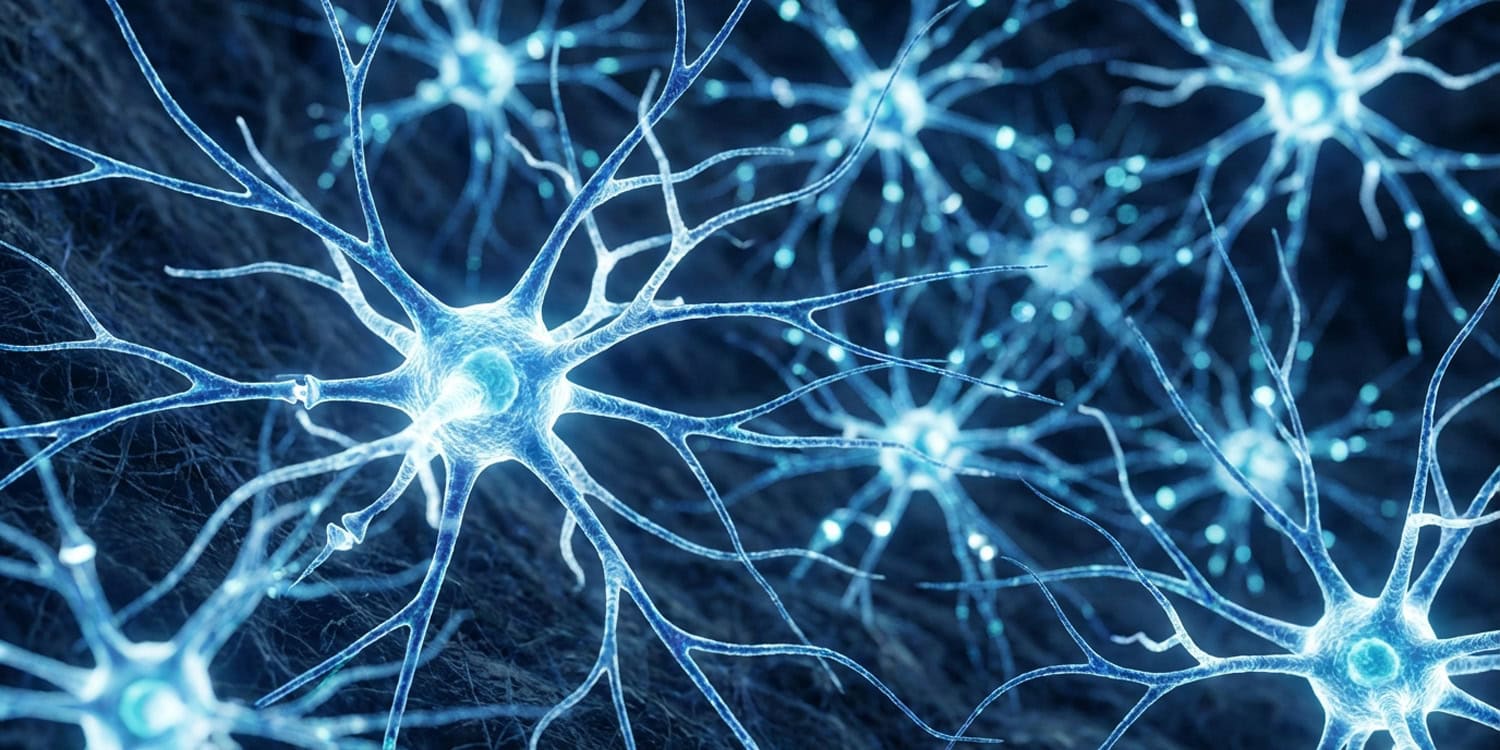
Researchers have mapped a neural pathway that instantly induces fear. Activating this circuit caused prolonged anxiety in mice, while temporarily turning it off completely blocked the effects of severe stress.
A recent study published in the
Source and reference
journal Neuron provides evidence that a specific group of adrenaline-producing brain cells acts as a major driver of fear and anxiety behaviors. Activation of these cells produces immediate and long-lasting anxiety, and dampening their activity reduces stress responses. These findings suggest that targeting these specific neurons could offer a more precise way to treat anxiety disorders in the future. Anxiety disorders affect over 300 million people worldwide and significantly impact daily life. Current treatments, including various medications and therapies, can cause adverse side effects like insomnia, jitteriness, or cognitive impairment. Relapse is also common when patients stop taking their prescribed drugs. This ongoing challenge highlights a need for more specific and localized therapeutic targets within the brain. The physical symptoms of stress, such as elevated heart rate...
Read original source- Published
- Jul 16, 2026
- Updated
- Jul 16, 2026
- Source
- Psypost - Psychology News
- Category
- Health
- Read time
- 6 min
Key facts
Why this matters locally
This health story matters locally because it may affect readers, businesses, commuters, families, or public services in British Columbia.
Local impact
BC Post links this item to British Columbia coverage so readers can follow related city updates, weather, traffic, events, and category news in one place.
Timeline
Source and credit
BC Post may summarize, organize, and add local context for reader clarity. Original reporting remains with the listed publisher.
Related Articles
View all Health
Provation Expands Global Footprint with Launch of Provation® Apex in Australia and New Zealand
Health
Provation Expands Global Footprint with Launch of Provation® Apex in Australia and New Zealand
 Health
Neuroscientists find a teamwork paradox: highly synchronized brains perform worse at complex tasks
Health
Neuroscientists find a teamwork paradox: highly synchronized brains perform worse at complex tasks
 Health
The Surprising Cellular Benefit of the Pigment Behind Red Hair
Health
The Surprising Cellular Benefit of the Pigment Behind Red Hair
 Health
Andlauer-backed group loses bid for Château Montebello
Health
Andlauer-backed group loses bid for Château Montebello
 Health
Coffee May Protect the Liver in More Ways Than Scientists Realized
Health
Coffee May Protect the Liver in More Ways Than Scientists Realized
More Local Coverage
Latest news Business
AI Market Trends: Q2 2026 Review and Forecast
Business
AI Market Trends: Q2 2026 Review and Forecast
 Politics
Powerful pro-life ad featuring boxing legend to air during final World Cup matches
Politics
Powerful pro-life ad featuring boxing legend to air during final World Cup matches