

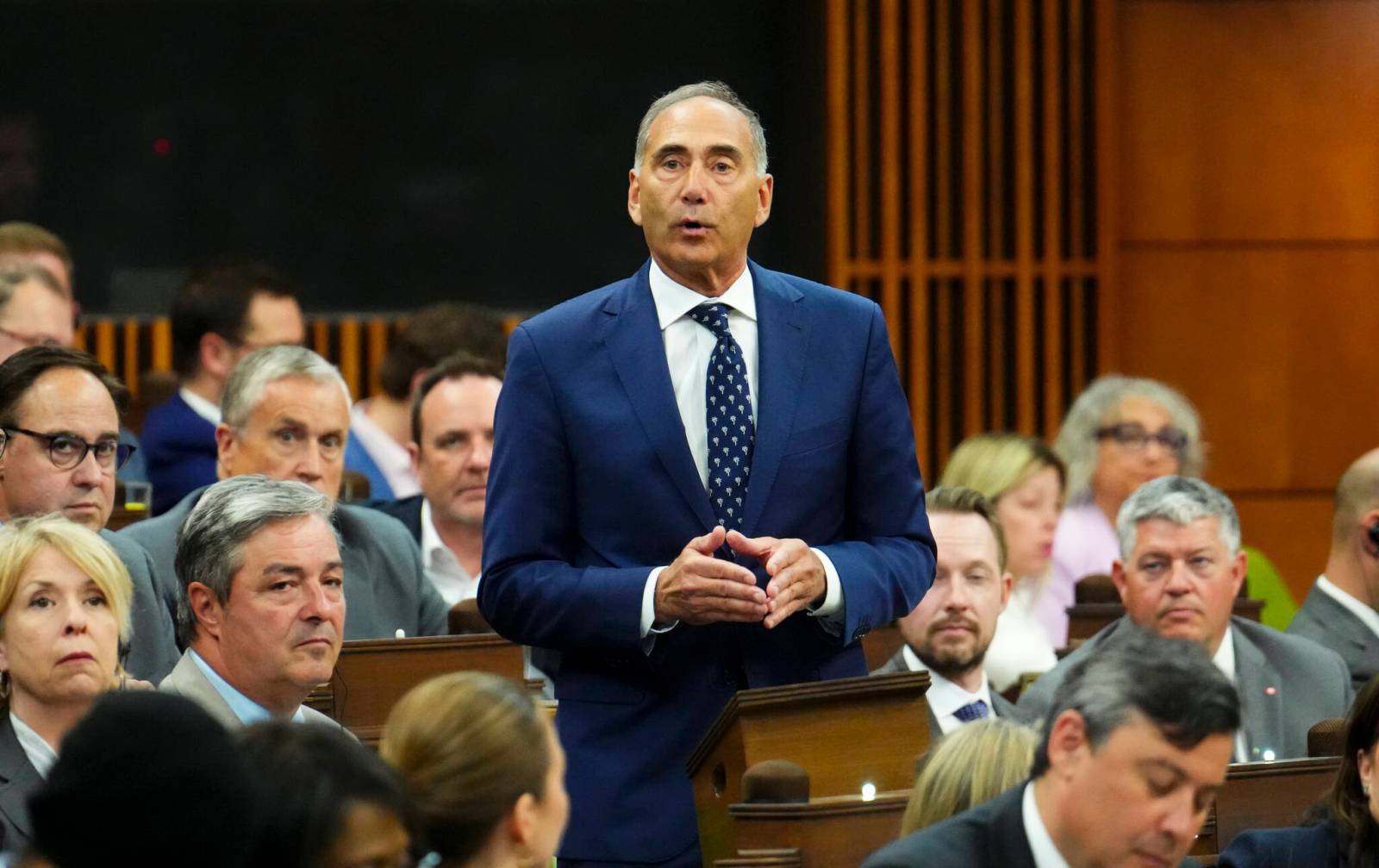
Mark Carney may still be relatively new to elected politics, but he’s proving to be a remarkably quick study in the art of political chess. His decision to appoint Conservative [...]
To continue reading, please subscribe: Digital Subscription One year of digital access for only $205* - Enjoy unlimited reading on winnipegfreepress.com - Read the E-Edition, our digital replica newspaper - Access News Break, our award-winning app - Play interactive puzzles To continue reading, please subscribe: Add Free Press access to your Brandon Sun subscription for only an additional $1 for the first 4 weeks* Mark Carney may still be relatively new to elected politics, but he’s proving to be a remarkably quick study in the art of political chess. His decision to appoint Conservative MP Richard Martel last week to the Senate wasn’t just about filling a vacancy.
It was a calculated move that accomplished several political objectives at once while leaving Conservative Leader Pierre Poilievre with virtually no way to respond. That’s what good political strategy looks like. On the surface, appointing a sitting Conservative MP to the Senate appears generous, even bipartisan.
It allows Carney to portray himself as someone willing to look beyond party labels in selecting qualified people for public service. It reinforces the image he has carefully cultivated since becoming prime minister: pragmatic, reasonable and less partisan than many of his predecessors. But beneath that veneer lies some impressive political strategy.
By moving Martel to the Senate (one of four appointments to the upper chamber last week), Carney immediately reduced the Conservative caucus in the House of Commons by one seat. Even with a majority government (albeit a slim one), every opposition vote matters in committee work, question period and the daily optics of Parliament. More importantly, Martel’s departure triggers a byelection in Chicoutimi—Le Fjord, a riding the Conservatives won by about one-third of the vote.
The Liberals finished only a few percentage points behind, while the Bloc Québécois was right there, as well. That means Carney has effectively created another opportunity to expand his majority. It was a move so politically elegant that even Poilievre couldn’t attack it.
Instead of denouncing the appointment as a cynical attempt to weaken the Conservatives, Poilievre publicly congratulated Martel and wished him well in the Senate. He really had no other choice. Had he lashed out (as he usually does), he would have looked petty toward one of his own MPs receiving what has traditionally been viewed as a prestigious public appointment.
Had he criticized Martel personally, he risked alienating Conservative supporters in Quebec. Had he attacked Carney, he would have appeared to be complaining about a prime minister appointing someone from the opposition — hardly an argument likely to resonate with many Canadians. Carney boxed him in.
That’s the hallmark of an effective political tactician. The best moves don’t simply advance your own position. They deprive your opponent of any effective counterattack.
Political observers often focus on flashy announcements or dramatic question period exchanges. But the most consequential politics frequently happen in quieter moments like this, where one decision creates multiple advantages simultaneously. Carney gets to claim bipartisanship, he weakens the Conservative caucus, he creates a potentially winnable byelection and he leaves Poilievre applauding the whole thing.
It’s difficult to script a better political outcome. The move also fits a broader pattern that’s emerging under Carney. Since becoming prime minister, he has generally avoided the overt partisan combat that characterized much of former prime minister Justin Trudeau’s years.
Instead, he has projected competence and moderation while making carefully calculated political decisions that nevertheless strengthen his own government’s position. That combination can be particularly dangerous for political opponents. When governments make aggressively partisan moves, they often energize the opposition.
Critics have obvious targets and clear lines of attack. But when the politics are wrapped in the language of cooperation and national interest, it becomes much harder for opponents to generate outrage. Carney has demonstrated an ability to package political advantage as institutional reform or bipartisan outreach.
Whether that’s his intention or simply the byproduct of his governing style hardly matters. The political effect is the same. None of this suggests Martel was unqualified for the Senate or somehow acted improperly in accepting the appointment.
Senate appointments have always involved an element of political judgment. Prime ministers are entitled to choose people they believe can contribute to public life. The point is that Carney understood every political consequence that would flow from this appointment.
Losing another MP from caucus, regardless of the circumstances, is never welcome for an opposition leader trying to present himself as a government-in-waiting. Opening another competitive byelection is hardly ideal either. The real significance of this episode isn’t that one Conservative MP is now a senator.
It’s that Canada’s newest prime minister demonstrated a sophisticated understanding of political leverage. For someone whose critics once questioned whether he possessed the instincts required for partisan politics, Carney is beginning to supply the answer. And if this Senate appointment is any indication, his opponents should expect more moves that look gracious on the surface while quietly advancing Liberal interests underneath.
That’s often the most effective politics of all. tom.brodbeck@freepress.mb.ca Tom Brodbeck is an award-winning
Source and reference
author and columnist with over 30 years experience in print media. He joined the Free Press in 2019. Born and raised in Montreal, Tom graduated from the University of Manitoba in 1993 with a Bachelor of Arts degree in economics and commerce. Read more about Tom. Tom provides commentary and analysis on political and related issues at the municipal, provincial and federal level. His columns are built on research and coverage of local events. The Free Press’s editing team reviews Tom’s columns before they are posted online or published in print – part of the Free Press’s tradition, since 1872, of producing reliable independent journalism. Read more about Free Press’s history and mandate, and learn how our newsroom operates. Our newsroom depends on a growing audience of readers to power our journalism. If you are not a paid reader, please consider becoming a subscriber. Our newsroom...
Read original source- Published
- Jul 14, 2026
- Updated
- Jul 14, 2026
- Source
- Winnipeg Free Press
- Category
- Entertainment
- Read time
- 5 min
Key facts
Why this matters locally
This entertainment story matters locally because it may affect readers, businesses, commuters, families, or public services in British Columbia.
Local impact
BC Post links this item to British Columbia coverage so readers can follow related city updates, weather, traffic, events, and category news in one place.
Timeline
Source and credit
BC Post may summarize, organize, and add local context for reader clarity. Original reporting remains with the listed publisher.
Related Articles
View all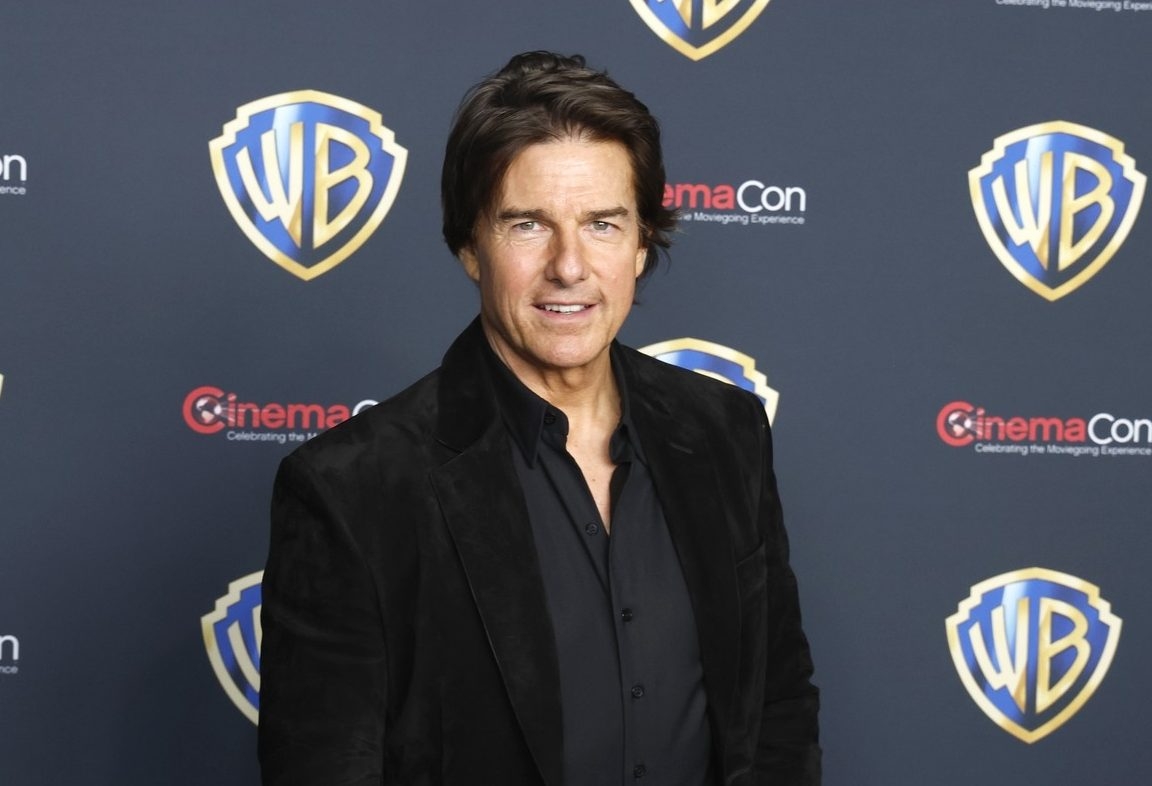 Entertainment
Tom Cruise unrecognizable with a gut and grey hair in ‘Digger’ trailer
Entertainment
Tom Cruise unrecognizable with a gut and grey hair in ‘Digger’ trailer
 Entertainment
Kultrun World Music Festival visits Waterloo Park
Entertainment
Kultrun World Music Festival visits Waterloo Park
 Entertainment
Langley’s tbird hosts country music concert
Entertainment
Langley’s tbird hosts country music concert
 Entertainment
17 Xbox Game Pass title updates you might've missed this week
Entertainment
17 Xbox Game Pass title updates you might've missed this week
 Entertainment
Information sessions for national artistic funding set to be held at EA Rawlinson
Entertainment
Information sessions for national artistic funding set to be held at EA Rawlinson
 Entertainment
Hundreds pack Maple Ridge wharf for Tragically Hip tribute
Entertainment
Hundreds pack Maple Ridge wharf for Tragically Hip tribute
More Local Coverage
Latest news Business
AI Market Trends: Q2 2026 Review and Forecast
Business
AI Market Trends: Q2 2026 Review and Forecast
 Politics
Powerful pro-life ad featuring boxing legend to air during final World Cup matches
Politics
Powerful pro-life ad featuring boxing legend to air during final World Cup matches