


The move comes as other Trump administration officials have begun advocating for men to have easier access to testosterone replacement therapies.
U.S. Secretary of Defense Pete Hegseth announced Wednesday plans to introduce a new military screening program that will test troops for “testosterone deficiency.” In an announcement posted on X, Hegseth said the tests will become part of a mandatory health assessment undertaken by troops every year and that testosterone screening will be compulsory for soldiers over the age of 30. “If treatment is recommended, it’s entirely your choice to receive testosterone replacement therapy,” he said.
Get breaking National news “This initiative, it’s not about artificial intelligence or any other type of artificial enhancement, it’s about restoring and optimizing your natural capabilities, protecting your longevity and ensuring you have the biological foundation required to sustain the fight,” he said. Both men and women have testosterone, though women have lower levels of the sex hormone, according to the Cleveland Clinic. While the announcement did not specify if it would test both male and female soldiers, or only males, the move comes as other Trump administration officials have begun advocating for men to have easier access to testosterone replacement therapies.
When asked by The Associated Press what conditions Hegseth was looking to address with the new policy, the Pentagon referred to his remarks in the X post, which mentioned keeping troops “strong, resilient and capable” and noted that the rigours of the modern battlefield demand “maximum psychological and mental readiness.” The Pentagon did not respond to the AP’s questions about what research or academic studies underpinned the move. It also did not say if female troops would be able to be evaluated for estrogen-based therapy as they entered perimenopause.
Testosterone levels naturally decline with age and in men are tied to issues such as erectile dysfunction, drops in libido, mood swings and weight gain, though there is longstanding debate among experts about how to diagnose those issues and whether they should be treated with hormone replacement therapies. In women, testosterone naturally decreases after the age of 30 and lower levels can cause drops in libido, mood issues, and bone health problems. Hegseth’s announcement comes as Health Secretary Robert F. Kennedy Jr. moves to make testosterone more readily available for doctors to prescribe; in June, the Food and Drug Administration (FDA) proposed loosening prescription limits on testosterone products.
Currently, the FDA specifies that testosterone replacement therapies such as pills, gels and patches are only available for men “who lack or have low testosterone levels in conjunction with an associated medical condition.” According to several studies cited by the AP, including a series by the National Institutes of Health, taking testosterone improved erectile dysfunction, libido and other sexual measures and had a small effect on mood in older men. But there was little or no improvement in other measures such as fatigue, memory or overall well-being.
Other studies have shown potential improvements in muscle building, strength and bone density, it added. Still, Hegseth’s messaging that the use of testosterone can help as a way to stay strong and mentally sharp for combat is not a use accepted by some medical experts. — with files from The Associated Press
- Published
- Jul 16, 2026
- Updated
- Jul 16, 2026
- Source
- Global News
- Category
- Politics
- Read time
- 2 min
Key facts
Why this matters locally
This politics story matters locally because it may affect readers, businesses, commuters, families, or public services in British Columbia.
Local impact
BC Post links this item to British Columbia coverage so readers can follow related city updates, weather, traffic, events, and category news in one place.
Timeline
Source and credit
BC Post may summarize, organize, and add local context for reader clarity. Original reporting remains with the listed publisher.
Related Articles
View all Politics
Powerful pro-life ad featuring boxing legend to air during final World Cup matches
Politics
Powerful pro-life ad featuring boxing legend to air during final World Cup matches
 Politics
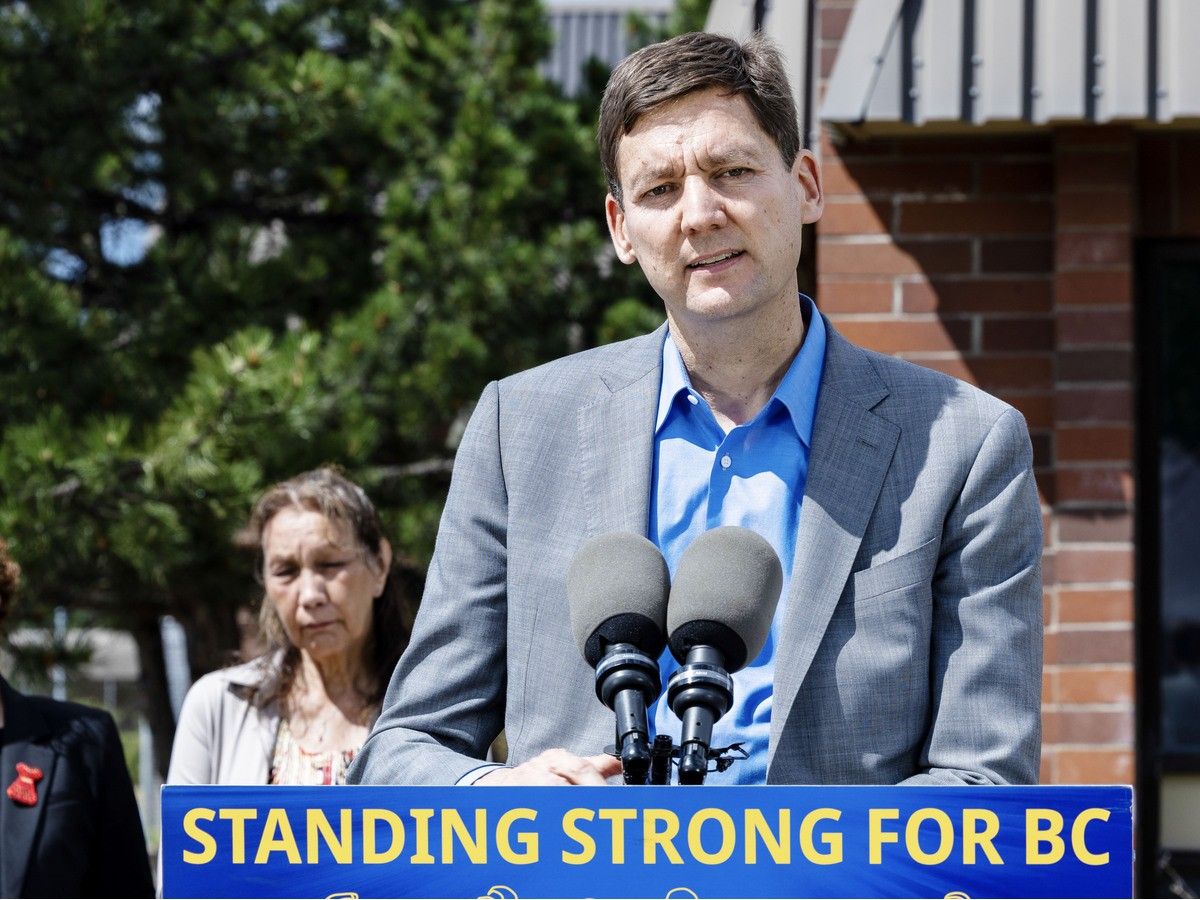
Vaughn Palmer: David Eby's slow and expensive step toward involuntary care
Politics
Vaughn Palmer: David Eby's slow and expensive step toward involuntary care
 Politics
Corus rebuts misinformation about future of Global News in Alberta after layoffs
Politics
Corus rebuts misinformation about future of Global News in Alberta after layoffs
 Politics
Pitt Meadows to host information session for city council candidates
Politics
Pitt Meadows to host information session for city council candidates
 Politics
Traditional Catholic response to Cupich’s suicide distortion
Politics
Traditional Catholic response to Cupich’s suicide distortion
 Politics
‘No consequences’: East Van woman says she was targeted by hate-motivated assault
Politics
‘No consequences’: East Van woman says she was targeted by hate-motivated assault
More Local Coverage
Latest news Business
AI Market Trends: Q2 2026 Review and Forecast
Business
AI Market Trends: Q2 2026 Review and Forecast
 Local News
Cowichan sports shorts: rugby, hockey, biking
Local News
Cowichan sports shorts: rugby, hockey, biking