

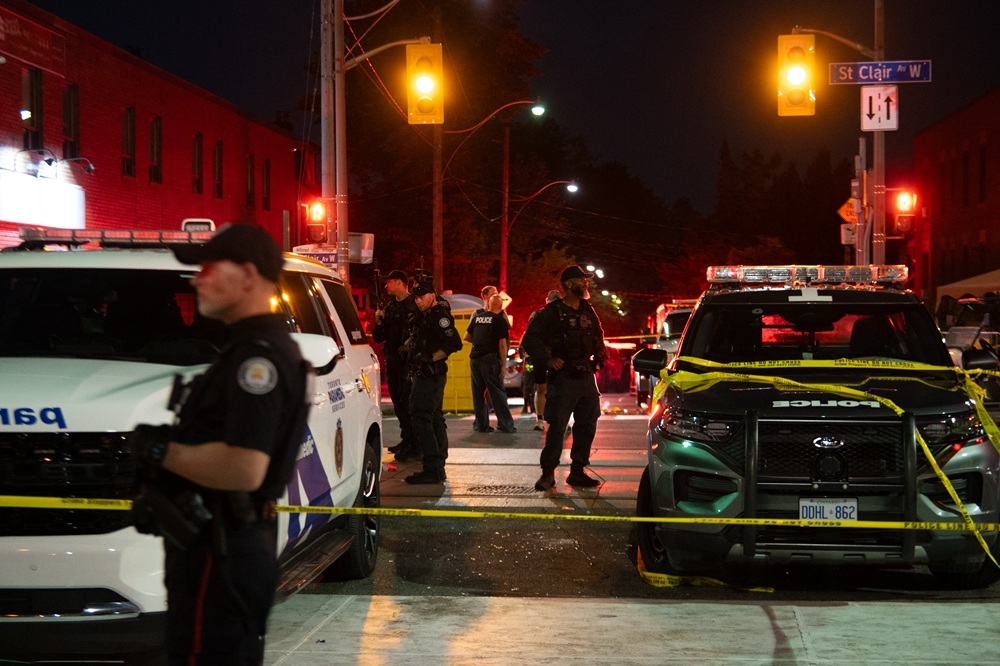
Toronto is a city that prides itself on the ability to gather without fear. On Saturday night, that sense of ease was shattered. Read on.
Toronto is a city that prides itself on safety, diversity, and the ability to gather without fear. But on Saturday night, during the Salsa on St. Clair festival , that sense of ease was shattered. Multiple people were shot.
Two died at the scene. Police urged the public to avoid the area as officers secured the intersection and searched for answers. The tragedy is real.
The grief is real. But what worries me even more is what this event reveals about the cultural climate we’ve been drifting toward for years — a climate where violence no longer shocks us the way it should. A few summers ago, I asked a group of teenagers what they thought about the rise in shootings.
Their answer wasn’t fear or outrage. It was: “It’s summer — it’s fun.” They weren’t being cruel.
They were being honest about the world they’ve grown up in. A world where danger has become background noise. You see it in the burnout rings that take over intersections — 20 vehicles spinning in circles, teenagers hanging out of windows, bodies flung onto pavement while crowds cheer and film.
You see it in the way people pull out their phones before they pull each other to safety. You see it in the way tragedy becomes content, and content becomes entertainment. Adrenaline is currency The Midtown shooting didn’t happen in isolation.
It happened in a cultural moment where risk is a spectacle, where adrenaline is currency, and where the shock reflex — the instinct that once kept people safe — is thinning. After every shooting, leaders repeat the same ritual statements and the public repeats the same arguments — but none of it touches the root cause. We’re facing a continental shift in youth behaviour: a collapsed shock reflex, a normalization of violence, and an adrenaline‐driven conflict culture amplified by social media.
Until we confront that cultural drift directly, these incidents will continue regardless of laws, parties, or policies. This isn’t about blaming youth. It’s about recognizing the environment they’ve inherited.
Social media rewards extremes. Outrage spreads faster than empathy. Violence loops endlessly online until it feels familiar.
And when something feels familiar, it stops feeling dangerous. That’s why sensational coverage is so harmful. Every tabloid headline, every dramatic replay, every exaggerated detail risks inspiring someone who is already teetering on the edge.
Copycats don’t emerge from statistics — they emerge from spectacle. What now? So what do we do?
We start by telling the truth without theatrics. We acknowledge the tragedy without turning it into entertainment. We talk openly about desensitization, about the normalization of danger, about the cultural drift that makes shootings feel seasonal.
We rebuild the part of our collective psyche that still feels shock — the part that says, “This is not normal.” Public safety isn’t just policing. It’s psychology.
It’s culture. It’s what we choose to normalize — and what we refuse to. Saturday’s shooting is a tragedy.
But it’s also a mirror. And if we have the courage to look into it, we may finally see what’s been there all along — a generation growing up in a world where danger feels ordinary, and a society that must decide whether it’s willing to accept that. – James is a retired paramedic and founder of STEPSLifeSafety.com.
His work blends lived experience and hard‐earned insight from a lifetime spent protecting others. RECOMMENDED VIDEO
- Published
- Jul 12, 2026
- Updated
- Jul 12, 2026
- Source
- Toronto Sun
- Category
- Crime
- Read time
- 3 min
Key facts
Why this matters locally
This crime story matters locally because it may affect readers, businesses, commuters, families, or public services in British Columbia.
Local impact
BC Post links this item to British Columbia coverage so readers can follow related city updates, weather, traffic, events, and category news in one place.
Timeline
Source and credit
BC Post may summarize, organize, and add local context for reader clarity. Original reporting remains with the listed publisher.
Related Articles
View all Crime
Video shows rescue of lone survivor from deadly B.C. helicopter crash
Crime
Video shows rescue of lone survivor from deadly B.C. helicopter crash
 Crime
A dozen cats are missing after New Westminster apartment fire that displaced roughly 100 residents
Crime
A dozen cats are missing after New Westminster apartment fire that displaced roughly 100 residents
 Crime
B.C. seeks forfeiture of alleged gangster’s properties worth more than $6.2 million
Crime
B.C. seeks forfeiture of alleged gangster’s properties worth more than $6.2 million
 Crime
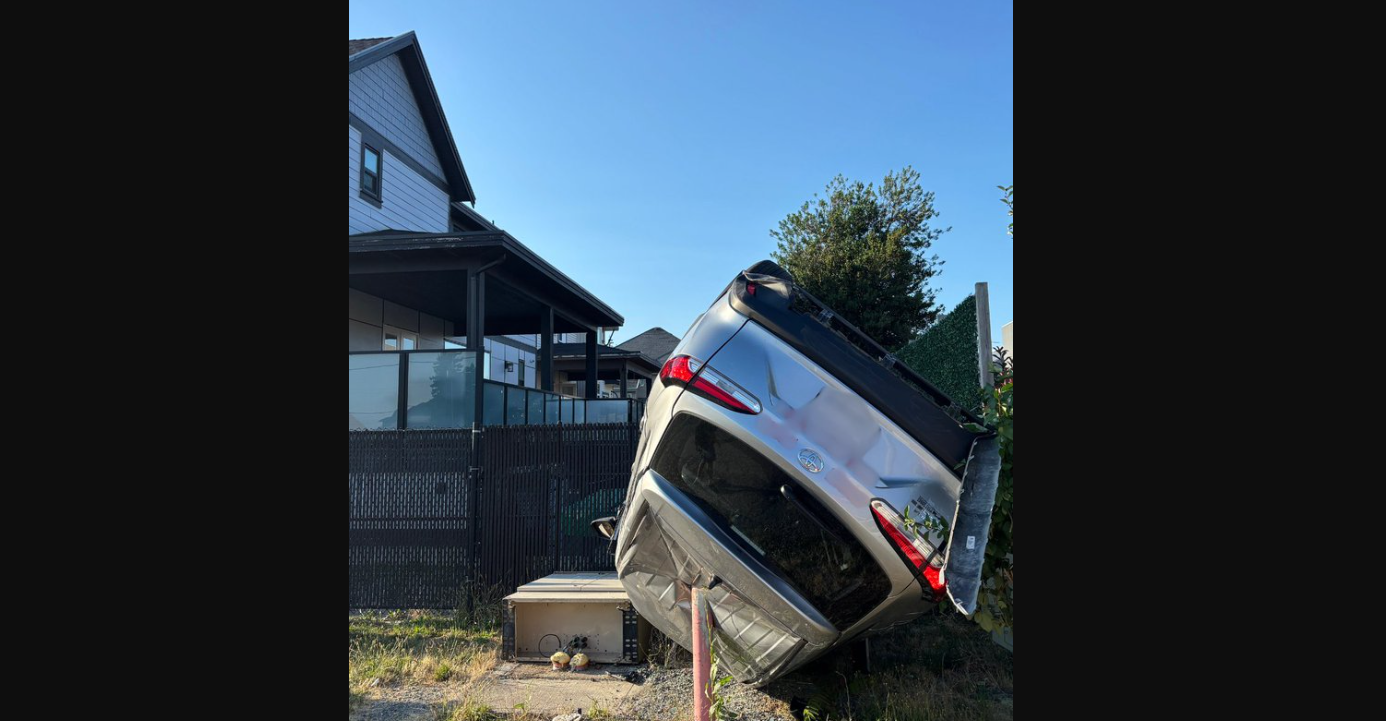
‘N’ driver involved in Abbotsford rollover crash, police say
Crime
‘N’ driver involved in Abbotsford rollover crash, police say
 Crime
Motorcycle impounded after new rider reaches ‘shocking speed’ on B.C. highway
Crime
Motorcycle impounded after new rider reaches ‘shocking speed’ on B.C. highway
 Crime
Pedestrian struck by bus, critically injured in Surrey
Crime
Pedestrian struck by bus, critically injured in Surrey
More Local Coverage
Latest news Business
AI Market Trends: Q2 2026 Review and Forecast
Business
AI Market Trends: Q2 2026 Review and Forecast
 Politics
Powerful pro-life ad featuring boxing legend to air during final World Cup matches
Politics
Powerful pro-life ad featuring boxing legend to air during final World Cup matches