


Oil rises after US-Iran hostilities flare again with strikes on energy targets
Trump says Iran talks held on Tuesday, strikes to continue until deal is reached By Helen Clark PERTH, July 15 (Reuters) - Oil rose on Wednesday as President Donald Trump reimposed a naval blockade on all Iranian ports and Iran launched retaliatory strikes on U.S. infrastructure in the region. For the second straight session, Brent closed at its highest since June 12 and West Texas Intermediate at its highest since June 15 and rose further on early Wednesday trade. Brent rose $1.46, or 1.72%, to $86.19 a barrel by 0029 GMT while WTI was up $1.11, or 1.4%, to $80.40 a barrel.
Oil prices closed up 2% to a one-month high on Tuesday as attacks deepened a supply disruption in the Strait of Hormuz, where some one-fifth of the world’s oil and liquefied natural gas transited prior to the beginning of the war. Early on Wednesday, the U.S. also began a fresh round of strikes "to continue degrading Iranian capabilities used to attack commercial shipping in the Strait of Hormuz," the U.S. military said. Tehran says it has again closed the strait after hostilities between Iran and the U.S. reignited last week, fraying an already fragile truce reached in June after several months of fighting.
"I’ll save the energy targets for last, but ultimately we’ll hit energy targets," Trump told Fox News in an interview aired Tuesday night on "Special Report with Bret Baier". Iran’s army said early on Wednesday that it had launched drone attacks against U.S. positions at Jordan’s Azraq base. There was no immediate comment from the Pentagon.
Iran’s Islamic Revolutionary Guard Corps said they targeted weapons and storage facilities in Bahrain and Kuwait. Reuters could not immediately verify the reports. The flare-up over the last few days has heightened doubts that a memorandum of understanding signed last month would lead to a permanent halt to the war, which has engulfed Iran’s neighbors.
“The chances of oil moving back toward $100 in the reasonably near term are still meaningful if hostilities intensify which damages energy infrastructure around the Gulf,” Tim Waterer, chief market analyst at KCM Trade said, noting Brent prices could remain at $75-$80 a barrel if diplomatic efforts helped reopen the strait. “For now, the risk premium is still embedded, but it’s not a one-way bet given that there remain incentives for both sides to find a diplomatic solution.”
- Published
- Jul 14, 2026
- Updated
- Jul 14, 2026
- Source
- Investing Canada
- Category
- Politics
- Read time
- 2 min
Key facts
Why this matters locally
This politics story matters locally because it may affect readers, businesses, commuters, families, or public services in British Columbia.
Local impact
BC Post links this item to British Columbia coverage so readers can follow related city updates, weather, traffic, events, and category news in one place.
Timeline
Source and credit
BC Post may summarize, organize, and add local context for reader clarity. Original reporting remains with the listed publisher.
Related Articles
View all Politics
Powerful pro-life ad featuring boxing legend to air during final World Cup matches
Politics
Powerful pro-life ad featuring boxing legend to air during final World Cup matches
 Politics
Traditional Catholic response to Cupich’s suicide distortion
Politics
Traditional Catholic response to Cupich’s suicide distortion
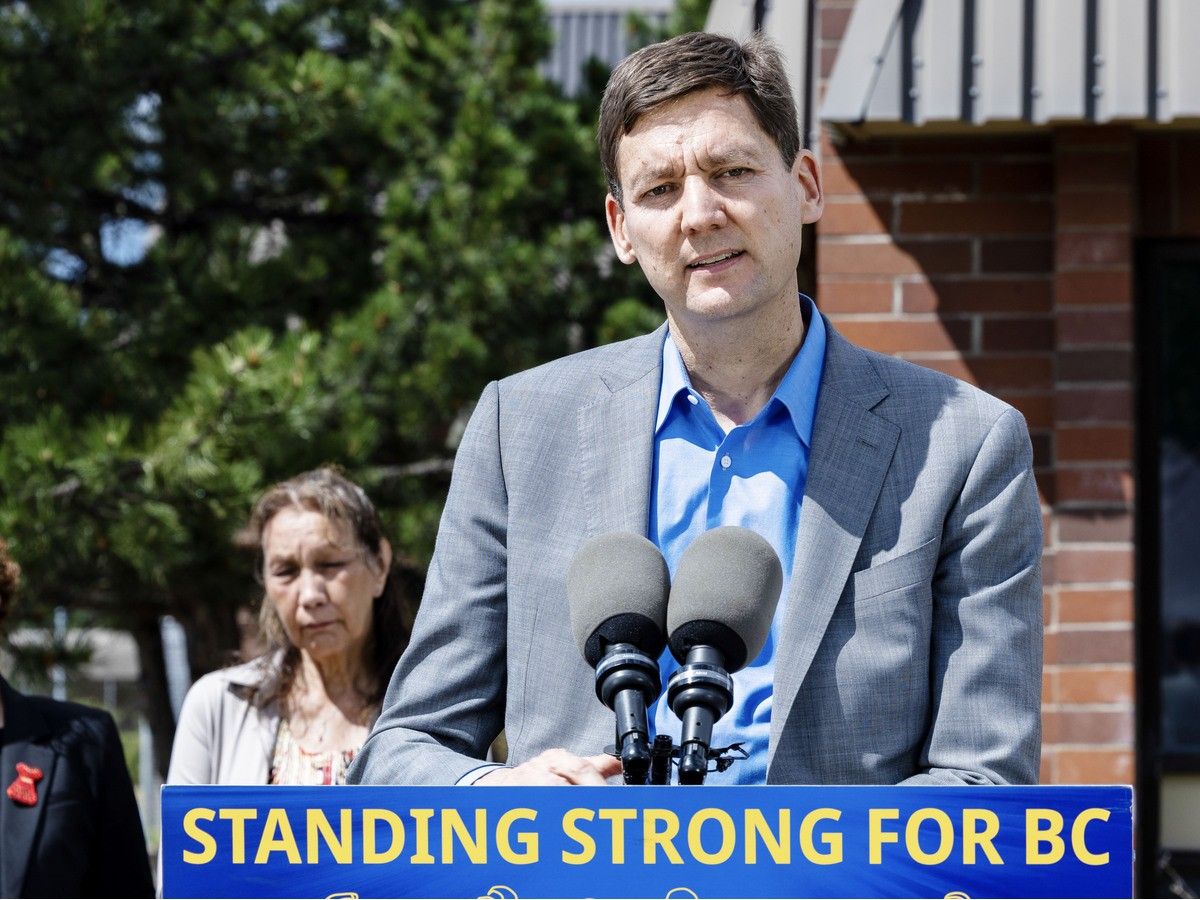 Politics
Vaughn Palmer: David Eby's slow and expensive step toward involuntary care
Politics
Vaughn Palmer: David Eby's slow and expensive step toward involuntary care
 Politics
Corus rebuts misinformation about future of Global News in Alberta after layoffs
Politics
Corus rebuts misinformation about future of Global News in Alberta after layoffs
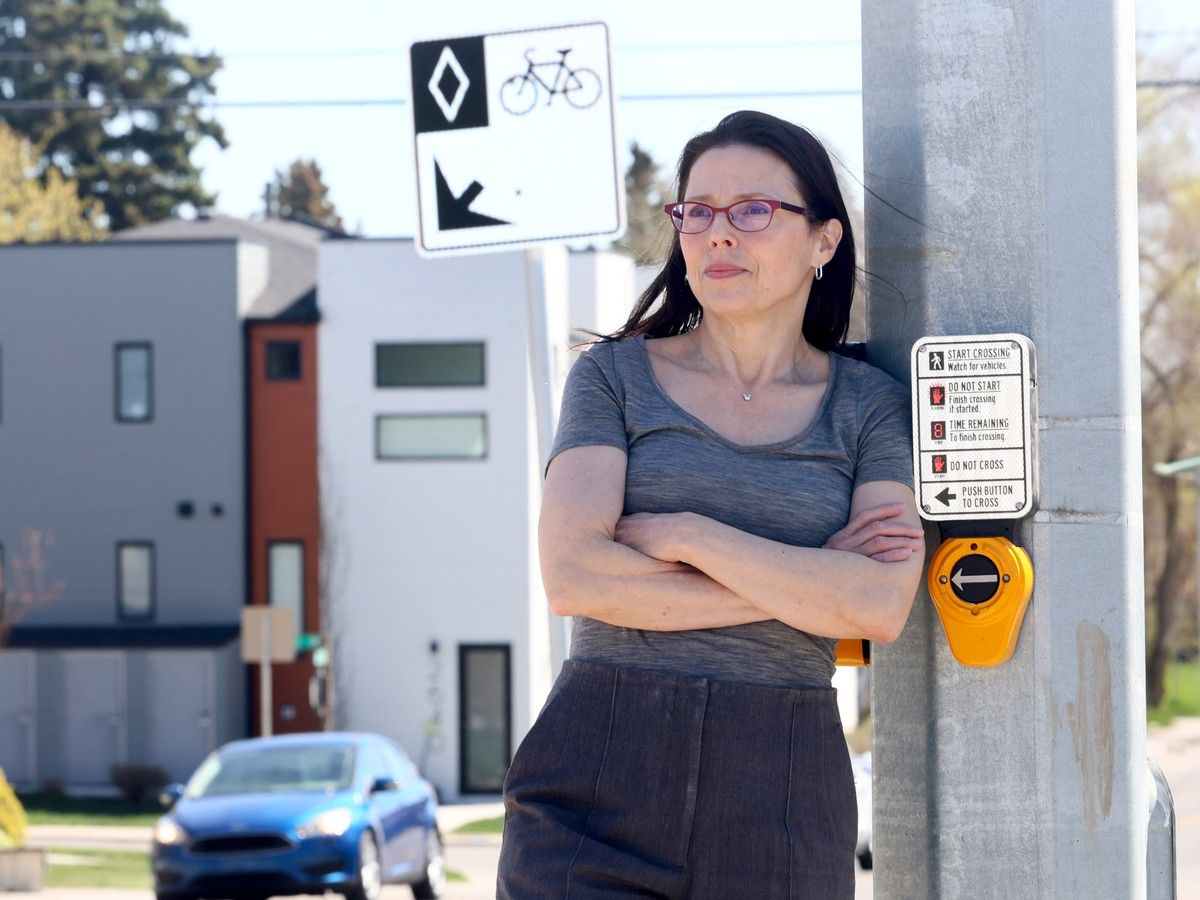 Politics
Bell: Bike lane clash in Edmonton, is Calgary next in line for a fight?
Politics
Bell: Bike lane clash in Edmonton, is Calgary next in line for a fight?
 Politics
‘No consequences’: East Van woman says she was targeted by hate-motivated assault
Politics
‘No consequences’: East Van woman says she was targeted by hate-motivated assault
More Local Coverage
Latest news Business
AI Market Trends: Q2 2026 Review and Forecast
Business
AI Market Trends: Q2 2026 Review and Forecast
 Top
‘Entire city’ asked to help search for missing 11-year-old Parker: Calgary police
Top
‘Entire city’ asked to help search for missing 11-year-old Parker: Calgary police
 Local News
Cowichan sports shorts: rugby, hockey, biking
Local News
Cowichan sports shorts: rugby, hockey, biking