


Distance can leave a void, but the newly opened affordable housing facility in Vancouver’s Downtown East Side (DTES) for the Indigenous community shows how families can stay connected. The 11-storey redevelopment at Gore and Hastings Streets is the result of years of work by the First United Church Community Ministry Society (known as First United). [...]
Distance can leave a void, but the newly opened affordable housing facility in Vancouver’s Downtown East Side (DTES) for the Indigenous community shows how families can stay connected. The 11-storey redevelopment at Gore and Hastings Streets is the result of years of work by the First United Church Community Ministry Society (known as First United). Serving the community for 140 years, First United’s new building offers showers, washrooms, a kitchen and dining hall, a community hub, mail and phone services, legal and tax clinics, warming and cooling centres, the area’s first women’s daytime sleeping shelter, women’s and coed drop-in spaces, a footcare program, a multifaith sacred space, and a library.
The new facility at 320 East Hastings was built to provide dignity, belonging, and justice for DTES residents. “These are people who need the most help in our society. Many of our friends and relatives live there, and it’s important they’re not pushed out.
We’re trying to address those issues and treat them as humans. They’re there because of circumstance, not choice. All my life I’ve had relatives and friends living down there – some still do, by choice or otherwise,” said David Walkem, First United board secretary.
The $94-million project was funded through First United’s $39-million capital campaign, launched in 2021, along with contributions from all three levels of government. The housing will be managed by Luma Native Housing Society. pened on June 1, the building features seven floors of 103 affordable aboriginal housing of one-bedroom and studio apartments, with community gathering spaces on every floor. “We wanted to make these housing projects homes for people, so they’re treated with dignity and respect,” Walkem said.
The exterior also incorporates Musqueam, Squamish, and Tsleil-Waututh public art to create a more “welcoming and inclusive” space. Walkem, a former chief of Cooks Ferry Indian Band, said the effort is to ensure we are all still connected. “We want our relatives and friends living there to know that there’s connection back home.
Some of them are struggling either with mental health or addiction issues. If they want to find their way back, there’s a connection that is kept open all the time. So, when they are ready, if they want to come back home, they can.”
- Published
- Jul 14, 2026
- Updated
- Jul 14, 2026
- Source
- Merritt Herald
- Category
- Lifestyle
- City
- Vancouver
- Read time
- 2 min
Key facts
Why this matters locally
This lifestyle story matters locally because it may affect readers, businesses, commuters, families, or public services in Vancouver.
Local impact
BC Post links this item to Vancouver coverage so readers can follow related city updates, weather, traffic, events, and category news in one place.
Timeline
Source and credit
BC Post may summarize, organize, and add local context for reader clarity. Original reporting remains with the listed publisher.
Related Articles
View all Local News
Lions earn first win by handing Elks their first loss in 36-24 decision
Local News
Lions earn first win by handing Elks their first loss in 36-24 decision
 Local News
Consumer watchdog secures 4 ticketing undertakings during World Cup
Local News
Consumer watchdog secures 4 ticketing undertakings during World Cup
 Sports
Thoughts turn to legacy as full-time whistle nears for Vancouver's World Cup
Sports
Thoughts turn to legacy as full-time whistle nears for Vancouver's World Cup
 Business
B.C.'s Massey Tunnel replacement doubles in cost to estimated $8.5 billion
Business
B.C.'s Massey Tunnel replacement doubles in cost to estimated $8.5 billion
 Lifestyle
City of Lethbridge formally agrees to contribute funding for future 32-bed recovery facility
Lifestyle
City of Lethbridge formally agrees to contribute funding for future 32-bed recovery facility
 Top
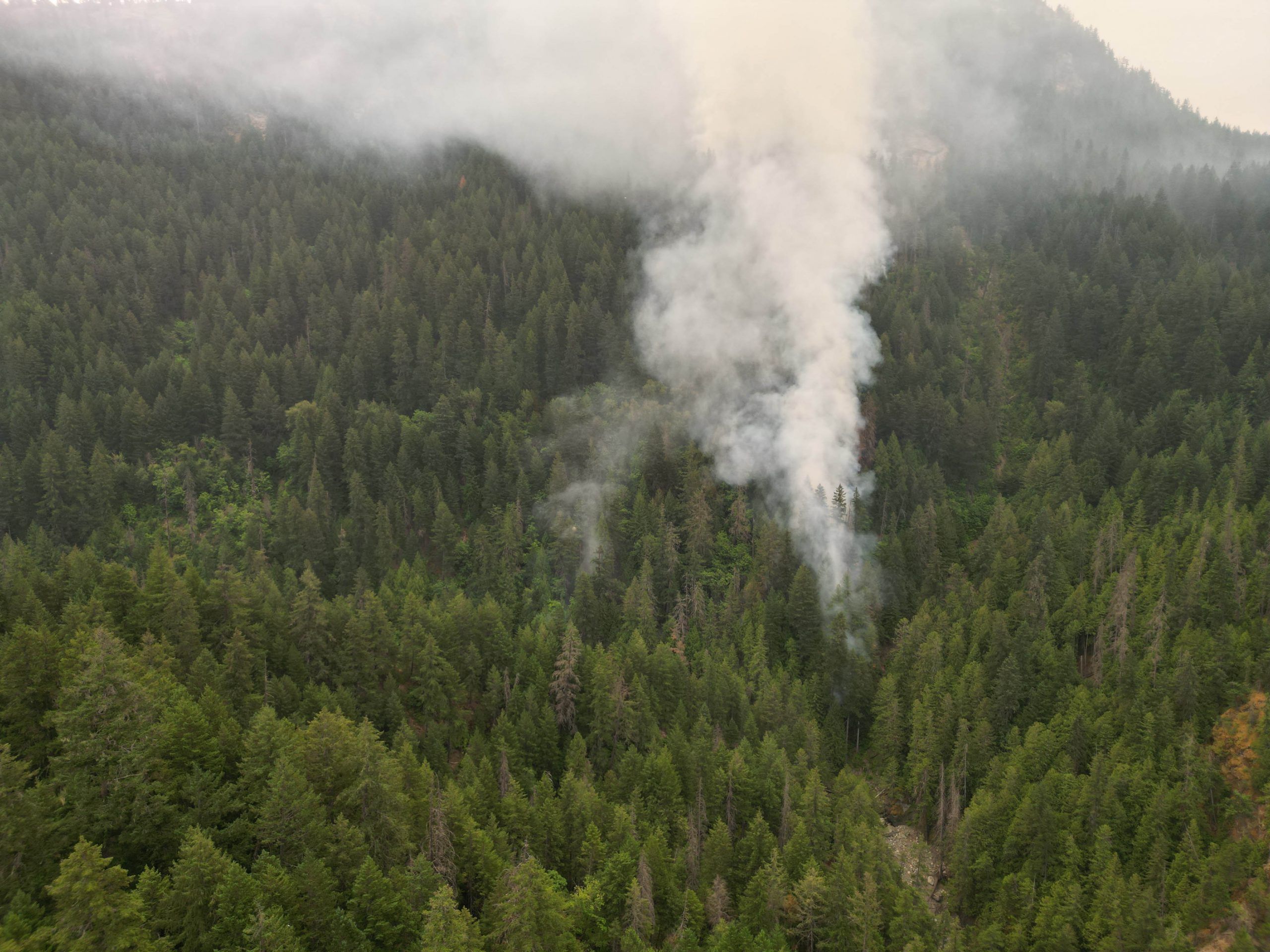
Brunswick Creek wildfire grows, leads to air quality warning in east Fraser Valley
Top
Brunswick Creek wildfire grows, leads to air quality warning in east Fraser Valley
More From Vancouver
View all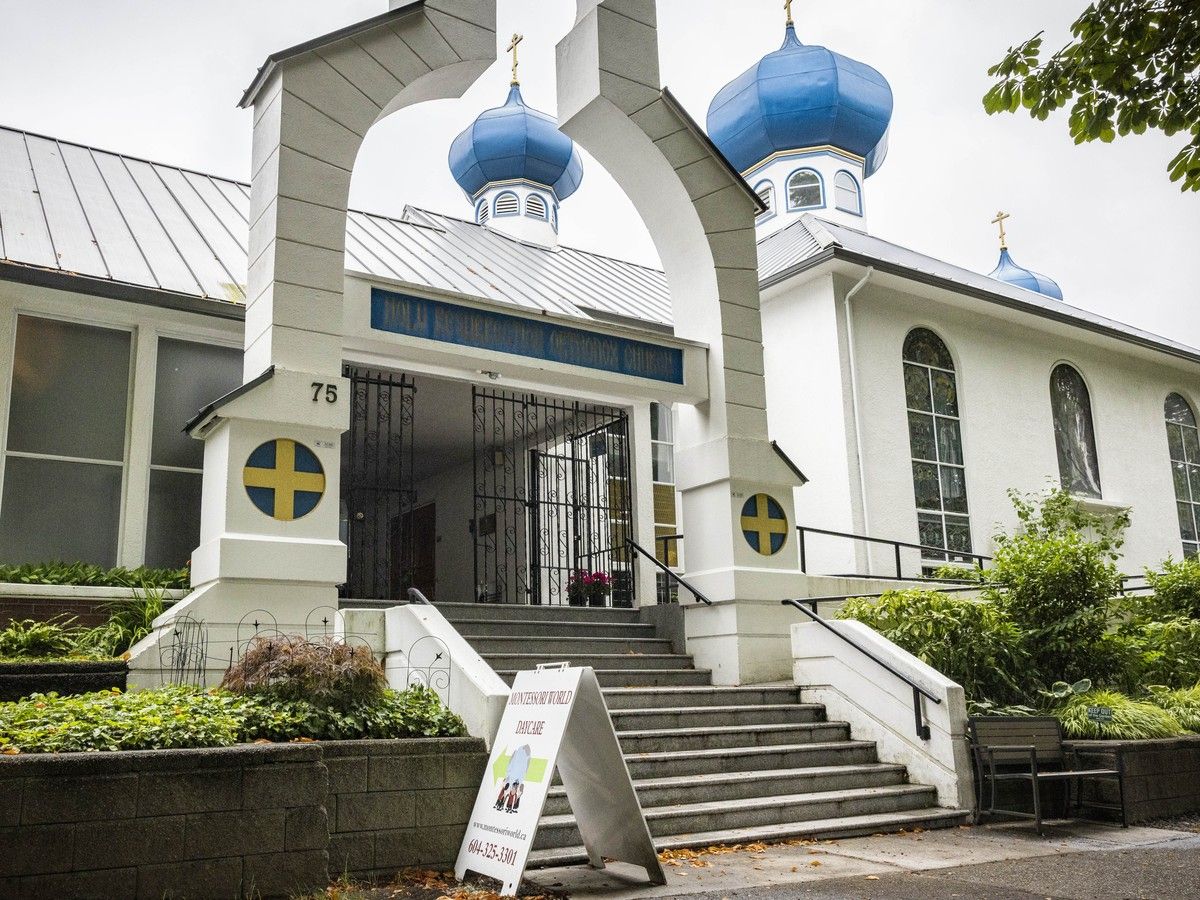 Top
Vancouver daycare avoids eviction from church hall — but only until year's end
Top
Vancouver daycare avoids eviction from church hall — but only until year's end
 Business
'We know we're a little crazy': Sisters turn spontaneous idea into downtown Vancouver cafe
Business
'We know we're a little crazy': Sisters turn spontaneous idea into downtown Vancouver cafe
 Top
Lightning hits homes on Vancouver Island as storm swept across region
Top
Lightning hits homes on Vancouver Island as storm swept across region
More Local Coverage
Latest news Business
AI Market Trends: Q2 2026 Review and Forecast
Business
AI Market Trends: Q2 2026 Review and Forecast
 Politics
Powerful pro-life ad featuring boxing legend to air during final World Cup matches
Politics
Powerful pro-life ad featuring boxing legend to air during final World Cup matches