

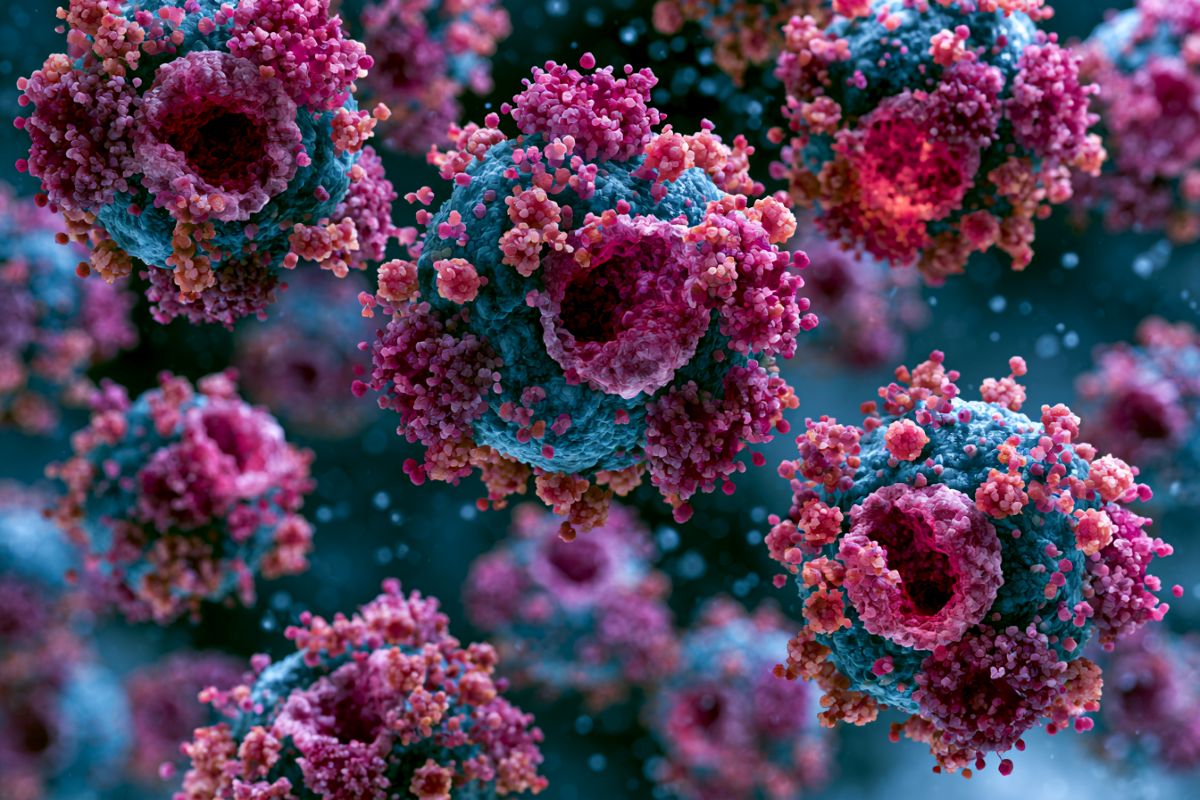
Age-related multi-organ decline is driven by an EP2-receptor-mediated failure of tissue-resident macrophages to clear senescent neutrophils.
Summary: Researchers unmasked a profound breakdown in the body’s internal garbage clearance system. As we age, tissue-resident macrophages lose their ability to engulf and dispose of expiring white blood cells, specifically short-lived neutrophils. Left un-cleared, these old cells transform into highly toxic, zombie-like “senescent neutrophils” that damage healthy tissues.
By blocking a single pro-inflammatory receptor known as EP2 exclusively on these long-lived macrophages, the team successfully revived their youthful cellular cleanup capabilities. This targeted intervention halted chronic inflammation and preserved the functional youthfulness of multiple vital organs throughout the body. Key Facts The Neutrophil Garbage Crisis: The body produces roughly 100 billion neutrophils daily as frontline immune responders.
Because their active lifespans rarely exceed 12 to 24 hours, long-lived tissue-resident macrophages are tasked with continuously clearing these defunct cells. With advanced age, an unrelenting surge of the pro-inflammatory hormone prostaglandin E2 (PGE2) binds to heavily concentrated EP2 receptors on macrophages, shutting down their cellular engulfing (phagocytosis) mechanism. The Rise of Zombie Neutrophils: Starved of proper macrophage clearance, expiring neutrophils undergo a swift transition into an intensely toxic, senescent state.
These zombie cells accumulate within the liver, spleen, bone marrow, and other major organs, where they damage surrounding tissues by leaking destructive chemicals and propagating systemic inflammation. Widespread Multi-Organ Rejuvenation: Disabling or pharmacologically blocking the EP2 receptor exclusively on tissue-resident macrophages triggered sweeping systemic preservation in aged mice. Rejuvenation and a stark reduction in inflammation metrics were confirmed across a vast network of organs: Neurological Preservation: Deeply reduced hippocampal inflammation, preventing age-related memory loss and maintaining baseline spatial navigation and cognitive processing speeds.
Metabolic Recovery: Drastically lowered visceral fat accumulation, preserved youthful skeletal muscle mass, and normalized 59 out of 71 age-altered blood proteins, primarily driven by restored liver homeostasis. Somatic Vitality: Aged mice treated with an experimental EP2 inhibitor looked leaner and exhibited physical speed, balance, and forelimb grip strength matching their youthful counter-cohorts. Human Translation Confirmed:
Transitioning from mice to humans, the Stanford team analyzed comprehensive human hepatic databases. The dataset confirmed that older and diseased human livers exhibit the identical pathological cascade seen in the animal models: a dramatic neutrophil buildup, widespread cellular senescence, and heightened macrophage EP2 receptor activity. The Precision Medicine Alternative: Dr. Katrin Andreasson emphasizes that while current everyday painkillers (like aspirin or NSAIDs) reduce inflammation by blocking PGE2 production upstream, they are too clumsy, shutting down multiple beneficial prostaglandins and companion receptors.
Developing a safe, highly selective drug that targets the EP2 receptor directly, without interfering with broader hormone systems, represents an outstandingly high-priority therapeutic path to extend human health spans.
Source and reference
Source: Stanford We may age at different rates, but none of us escapes aging. A study in mice and in human cells by Stanford Medicine researchers pins much of the blame on a particular type of immune cell’s increased inability, with advancing age, to gobble up another immune cell type. So-called tissue-resident macrophages appear to be central coordinators of age-related organ decline. Blocking a single receptor on these cells preserved the youthfulness of multiple organs in mice including the brain, heart, skeletal and heart muscle, liver, spleen, bone marrow, kidney, and colon. The receptor binds specifically to a hormone known to cause inflammation and pain in humans as well as mice. In mice, selectively disabling this receptor exclusively on tissue-resident macrophages prevented chronic-inflammation-driven disorders of age including frailty, excessive fat accumulation and heart...
Read original source- Published
- Jul 16, 2026
- Updated
- Jul 16, 2026
- Source
- Neuroscience News
- Category
- Technology
- Read time
- 12 min
Key facts
Why this matters locally
This technology story matters locally because it may affect readers, businesses, commuters, families, or public services in British Columbia.
Local impact
BC Post links this item to British Columbia coverage so readers can follow related city updates, weather, traffic, events, and category news in one place.
Timeline
Source and credit
BC Post may summarize, organize, and add local context for reader clarity. Original reporting remains with the listed publisher.
Related Articles
View all Technology
Transformer-manufacturing company to shut down its Chilliwack facility
Technology
Transformer-manufacturing company to shut down its Chilliwack facility
 Technology
Quebec announces plan to train more aerospace workers as demand surges
Technology
Quebec announces plan to train more aerospace workers as demand surges
 Technology
Spectro Cloud Raises $100 Million Series D to Help Customers Move AI Infrastructure Into Production Across Enterprise, Public Sector, Neocloud and Sovereign Cloud Environments
Technology
Spectro Cloud Raises $100 Million Series D to Help Customers Move AI Infrastructure Into Production Across Enterprise, Public Sector, Neocloud and Sovereign Cloud Environments
 Technology
Apple’s Lawsuit Could Choke OpenAI’s iPhone Rival Before It Even Ships
Technology
Apple’s Lawsuit Could Choke OpenAI’s iPhone Rival Before It Even Ships
 Technology
GO train users could face delays, cancellations due to ‘crew constraints’: Metrolinx
Technology
GO train users could face delays, cancellations due to ‘crew constraints’: Metrolinx
 Technology
Texting a stranger works better to fight loneliness than talking to an AI chatbot
Technology
Texting a stranger works better to fight loneliness than talking to an AI chatbot
More Local Coverage
Latest news Business
AI Market Trends: Q2 2026 Review and Forecast
Business
AI Market Trends: Q2 2026 Review and Forecast
 Politics
Powerful pro-life ad featuring boxing legend to air during final World Cup matches
Politics
Powerful pro-life ad featuring boxing legend to air during final World Cup matches