

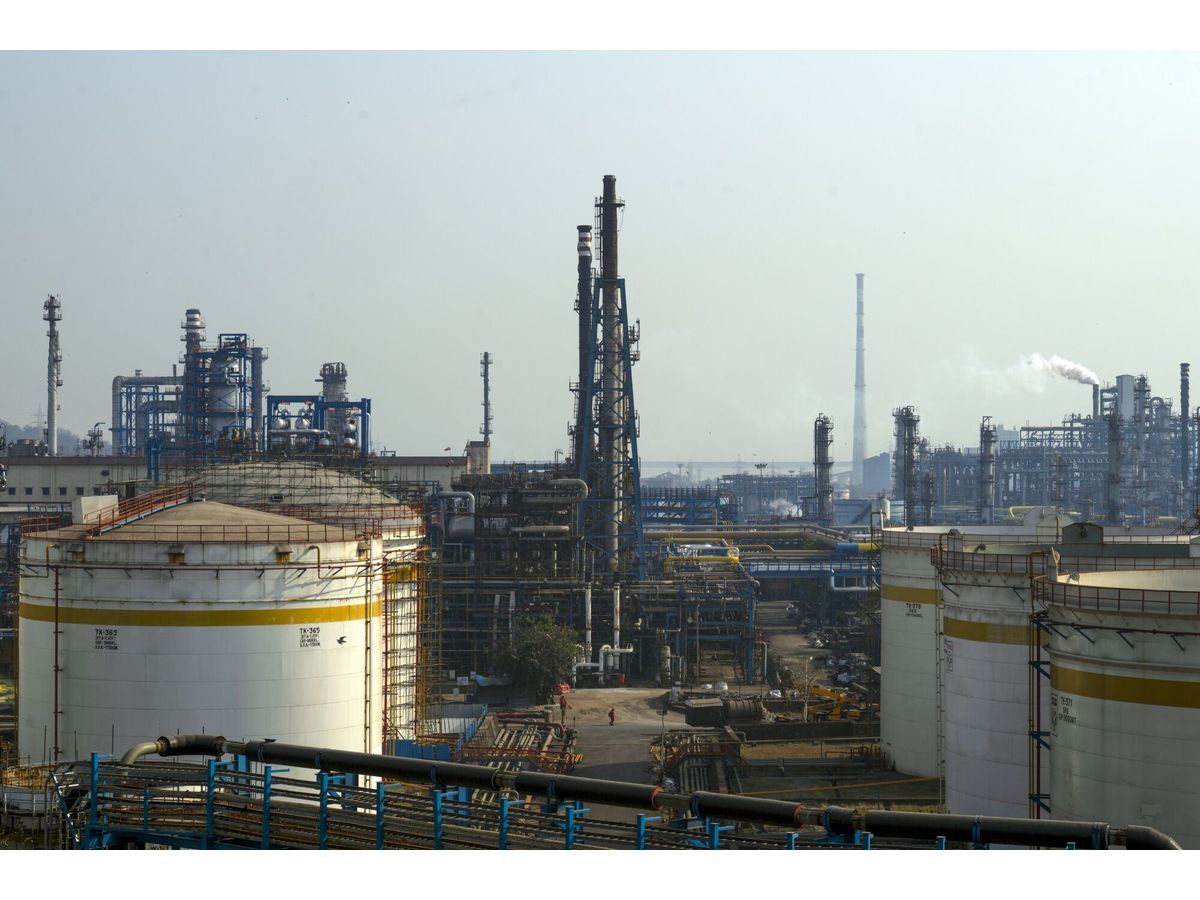
India raised taxes on exports of diesel and jet fuel as the collapse of the US-Iran interim peace deal and renewed hostilities choked oil flows and tightened the outlook for fuel supply.
(Bloomberg) — India raised taxes on exports of diesel and jet fuel as the collapse of the US-Iran interim peace deal and renewed hostilities choked oil flows and tightened the outlook for fuel supply. The levy on diesel was increased to 15.5 rupees a liter for the second half of July, from 8.5 rupees earlier, according to a finance ministry notification. The tax on jet fuel was lifted to 14.5 rupees a liter, from 7.5 rupees.
The export duty on gasoline was lowered, however, to 2.5 rupees a liter, from 4 rupees. The higher taxes could curb exports just as shipments from India, one of Asia’s largest fuel suppliers, are headed for their highest level since September. Exports of products, such as diesel and gasoline, in July are seen about a fifth higher from a year earlier as refiners are cashing in on strong profit margins amid acute supply tightness in the US and Europe.
India’s exports of refined oil products have averaged 1 million barrels a day year to date, or about 6% of global seaborne shipments, according to Kpler data. Diesel was the most shipped fuel, accounting for 40% of the total volume, while gasoline made up 26% and jet fuel 9%. Diesel supplies have been squeezed after Russia banned exports of the fuel following Ukrainian drone attacks on its refineries.
New Delhi reviews the taxes every fortnight based on average international prices for crude oil and refined products during the preceding period. The mechanism allows the government to adjust duties in response to changes in global energy markets while prioritizing local fuel availability. India, the world’s fourth-largest refining hub, imports more than 85% of its crude oil requirement while exporting large volumes of refined fuels.
—With assistance from Akriti Sharma. (Updates with chart, export details in the fourth paragraph.)
- Published
- Jul 15, 2026
- Updated
- Jul 16, 2026
- Source
- Financial Post
- Category
- Politics
- Read time
- 1 min
Key facts
Why this matters locally
This politics story matters locally because it may affect readers, businesses, commuters, families, or public services in British Columbia.
Local impact
BC Post links this item to British Columbia coverage so readers can follow related city updates, weather, traffic, events, and category news in one place.
Timeline
Source and credit
BC Post may summarize, organize, and add local context for reader clarity. Original reporting remains with the listed publisher.
Related Articles
View all Politics
Powerful pro-life ad featuring boxing legend to air during final World Cup matches
Politics
Powerful pro-life ad featuring boxing legend to air during final World Cup matches
 Politics
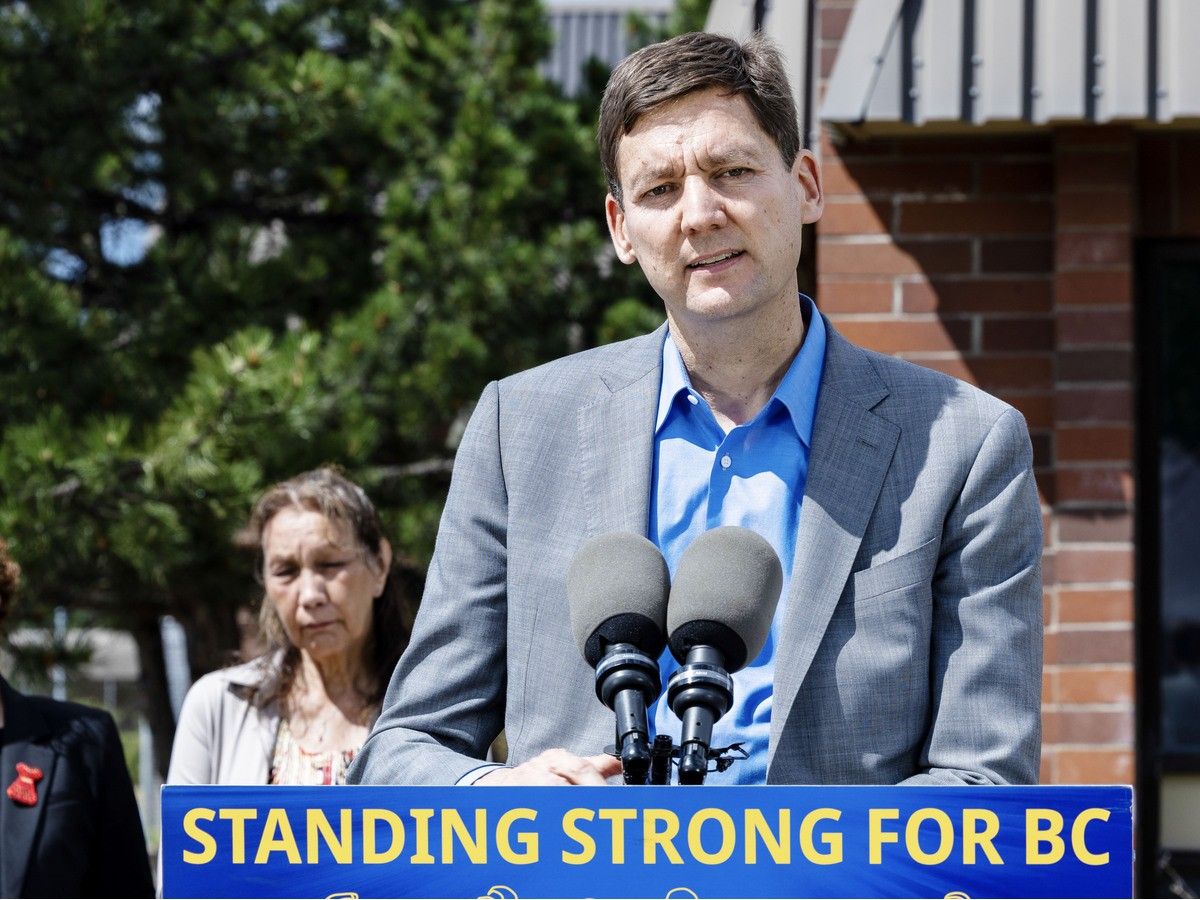
Vaughn Palmer: David Eby's slow and expensive step toward involuntary care
Politics
Vaughn Palmer: David Eby's slow and expensive step toward involuntary care
 Politics
Pitt Meadows to host information session for city council candidates
Politics
Pitt Meadows to host information session for city council candidates
 Politics
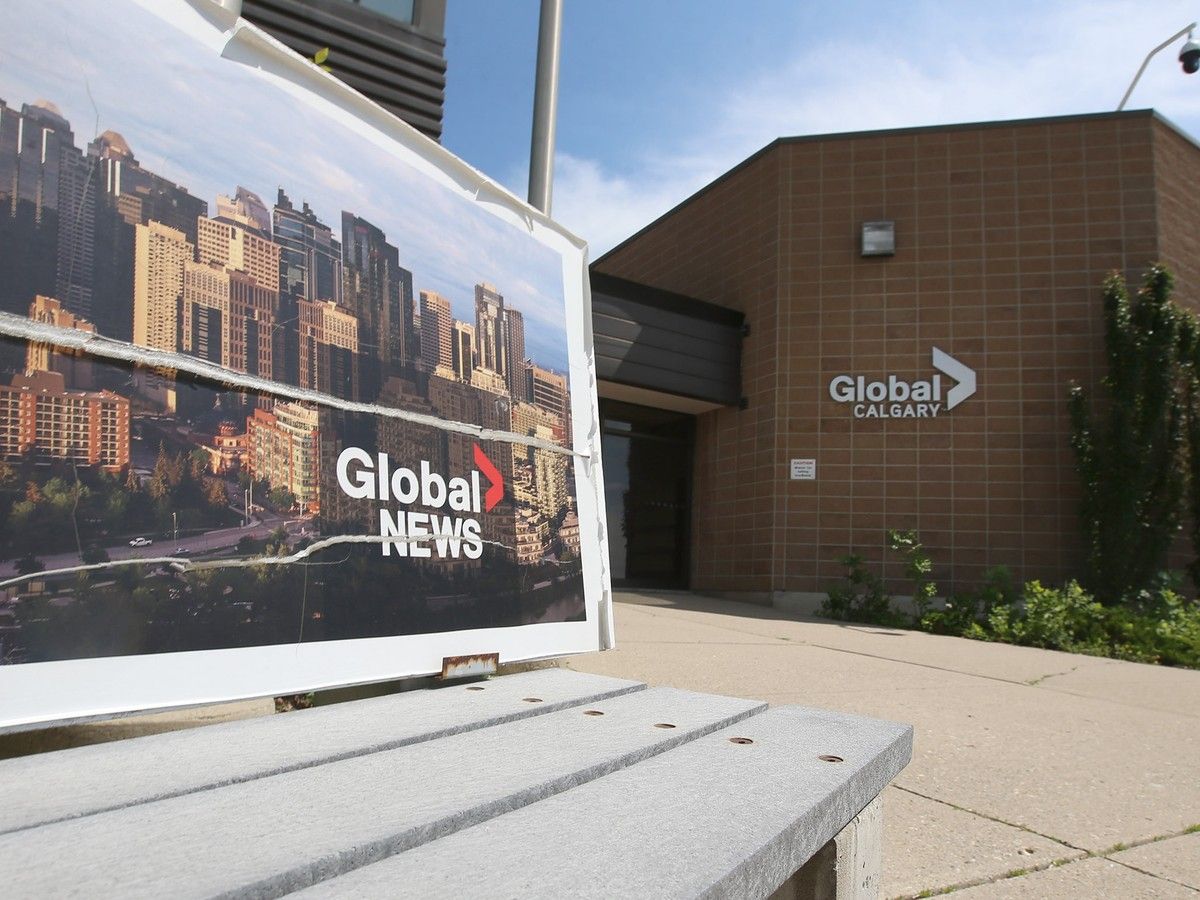
Corus rebuts misinformation about future of Global News in Alberta after layoffs
Politics
Corus rebuts misinformation about future of Global News in Alberta after layoffs
 Politics
‘No consequences’: East Van woman says she was targeted by hate-motivated assault
Politics
‘No consequences’: East Van woman says she was targeted by hate-motivated assault
 Politics
Hundreds of enthusiatic supporters attend Surrey Mayor Brenda Locke’s fundarising dinner
Politics
Hundreds of enthusiatic supporters attend Surrey Mayor Brenda Locke’s fundarising dinner
More Local Coverage
Latest news Business
AI Market Trends: Q2 2026 Review and Forecast
Business
AI Market Trends: Q2 2026 Review and Forecast
 Local News
Cowichan sports shorts: rugby, hockey, biking
Local News
Cowichan sports shorts: rugby, hockey, biking