

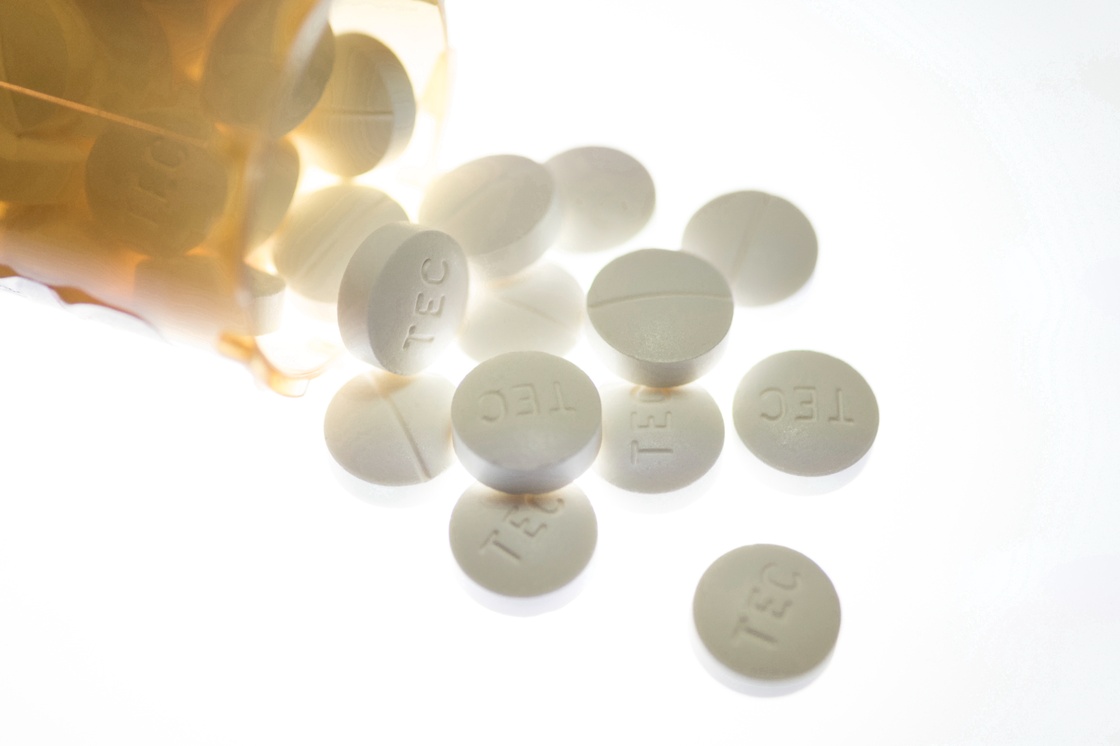
Medications and heat can interact, leading to potentially severe side effects, the U.S. Centre for Disease Control (CDC) warns on its website.
Environment Canada is asking Canadians across the country to watch for signs of heat exhaustion during its extreme heat warning, but some experts say consuming alcohol or certain kinds of medication can change how your body reacts to hot weather. Medications and heat can interact, leading to potentially severe side effects, the U.S. Centre for Disease Control (CDC) warns on its website. The warning extends to both prescription and over-the-counter drugs, the agency says.
Some medications, like beta blockers, can reduce blood flow to the skin and inhibit sweating, the Canadian Pharmacists Association warns. Sweating is a key bodily function and can help regulate your body temperature during a heat wave. Medications with anticholinergic properties can also inhibit sweating, “reducing heat elimination from the body,” the Canadian Pharmacists Association adds.
However, some medications may increase your sweating, leading to dehydration. Selective serotonin reuptake inhibitors (SSRIs) as well as serotonin and norepinephrine reuptake inhibitors (SNRIs) are two common medications used by many to treat mental health conditions such as depression, which can increase the amount your body sweats, the CDC says. “Antidepressants can cause impaired sweating and cooling.
SSRIs can cause increased sweating leading to dehydration, TCAs reduce sweating, reducing heat elimination from the body,” the Canadian Pharmacists Association says. Tricyclic antidepressants, or TCAs, are a type of drug used to treat depression. Other medications such as antipsychotics, anticholinergics and stimulants can also interfere with your body’s ability to regulate its temperature, the CDC adds.
Medications like diuretics, ACE inhibitors and ARBS (Angiotensin Receptor Blockers), both medications used to treat high blood pressure, reduce your thirst sensation, potentially leading you to consume less water through the day, it said. Get weekly health news Some medications can increase the sensitivity of the skin to the sun. Medications, including flucytosine, griseofulvin and voriconazole, which are used to treat fungal infections, and antibiotics like metronidazole, tetracyclines and fluoroquinolones “can increase sun sensitivity and lead to a sunburn-like rash,” the CDC says, adding that patients on such medications should avoid going out in the sun or use sunscreen with an SPF of 30 or higher.
Heat waves can also damage your medication, the Medicines and Healthcare products Regulatory Agency of the United Kingdom warns. “Let’s face it — when there’s a heatwave, most of us are focused on getting outside and enjoying it while it lasts. But it’s easy to forget that medicines left in the heat — in cars, bags, or on sunny windowsills – might not work properly when you need them,” Alison Cave, chief safety officer at the U.K. regulator, said in a statement.
Most medications need to be kept at temperatures below 25 C, but cars, trains and buses can heat up quickly during the summer, the agency said. It also recommended keeping your medication away from rooms with direct sunlight and not leaving it in parked cars. Medicines like insulin that need to be refrigerated are especially vulnerable during extreme heat events.
If your medicine has changed colour, developed an unusual smell, changed texture or looks different in any way, this could signal heat damage. It’s not just medicines, the MHRA recommends keeping medical devices in a cool and dry place as well. “For example, blood glucose monitors may give people managing diabetes less reliable readings if used or stored in hot conditions,” it says.
- Ottawa provides $71 million for youth mental health services in Quebec - Unsafe sleep practices linked to more than a third of infant deaths: N.B. coroner - ‘I almost died’: Alberta psychologist shares traumatic birth story to help others - Vancouver mayor slams B.C. government over lack of involuntary care beds What about alcohol? If you’re thinking of heading to a patio to catch a World Cup game and cool off with a cold glass of beer, there’s bad news for you. Drinking alcohol is associated with increased sweating and urination, which can cause dehydration, the CDC says.
Alcohol is a diuretic. This means it signals your kidneys to get rid of fluids. “Alcohol also makes you sweat more, because it interferes with your body’s ability to control its own temperature,” says Drinkaware, a charity formed by the U.K. government.
“Combined with the fact that alcohol makes you pee more, you can lose more fluid than you take in and become dehydrated unless you replace that lost fluid by drinking extra water,” it adds. Drinakware recommends skipping alcohol altogether or drinking low-alcohol or no-alcohol options that have an ABV (alcohol by volume) between 0.5 per cent or 1.2 per cent. “Binge drinking — having a lot of alcohol in a short space of time — can be extremely dangerous.
Our bodies can only process roughly one unit of alcohol an hour — and less for some people,” it adds. However, if you are drinking, it would be helpful to limit the amount of alcohol you drink and drink plenty of water in between alcoholic drinks to prevent dehydration, it says.
- Published
- Jul 14, 2026
- Updated
- Jul 14, 2026
- Source
- Global News
- Category
- Health
- Read time
- 4 min
Key facts
Why this matters locally
This health story matters locally because it may affect readers, businesses, commuters, families, or public services in British Columbia.
Local impact
BC Post links this item to British Columbia coverage so readers can follow related city updates, weather, traffic, events, and category news in one place.
Timeline
Source and credit
BC Post may summarize, organize, and add local context for reader clarity. Original reporting remains with the listed publisher.
Related Articles
View all Health
Provation Expands Global Footprint with Launch of Provation® Apex in Australia and New Zealand
Health
Provation Expands Global Footprint with Launch of Provation® Apex in Australia and New Zealand
 Health
The Surprising Cellular Benefit of the Pigment Behind Red Hair
Health
The Surprising Cellular Benefit of the Pigment Behind Red Hair
 Health
Coffee May Protect the Liver in More Ways Than Scientists Realized
Health
Coffee May Protect the Liver in More Ways Than Scientists Realized
 Health
Neuroscientists find a teamwork paradox: highly synchronized brains perform worse at complex tasks
Health
Neuroscientists find a teamwork paradox: highly synchronized brains perform worse at complex tasks
 Health
Study ties some birth control to brain tumours, but risks ‘rare’: experts
Health
Study ties some birth control to brain tumours, but risks ‘rare’: experts
More Local Coverage
Latest news Business
AI Market Trends: Q2 2026 Review and Forecast
Business
AI Market Trends: Q2 2026 Review and Forecast
 Politics
Powerful pro-life ad featuring boxing legend to air during final World Cup matches
Politics
Powerful pro-life ad featuring boxing legend to air during final World Cup matches