

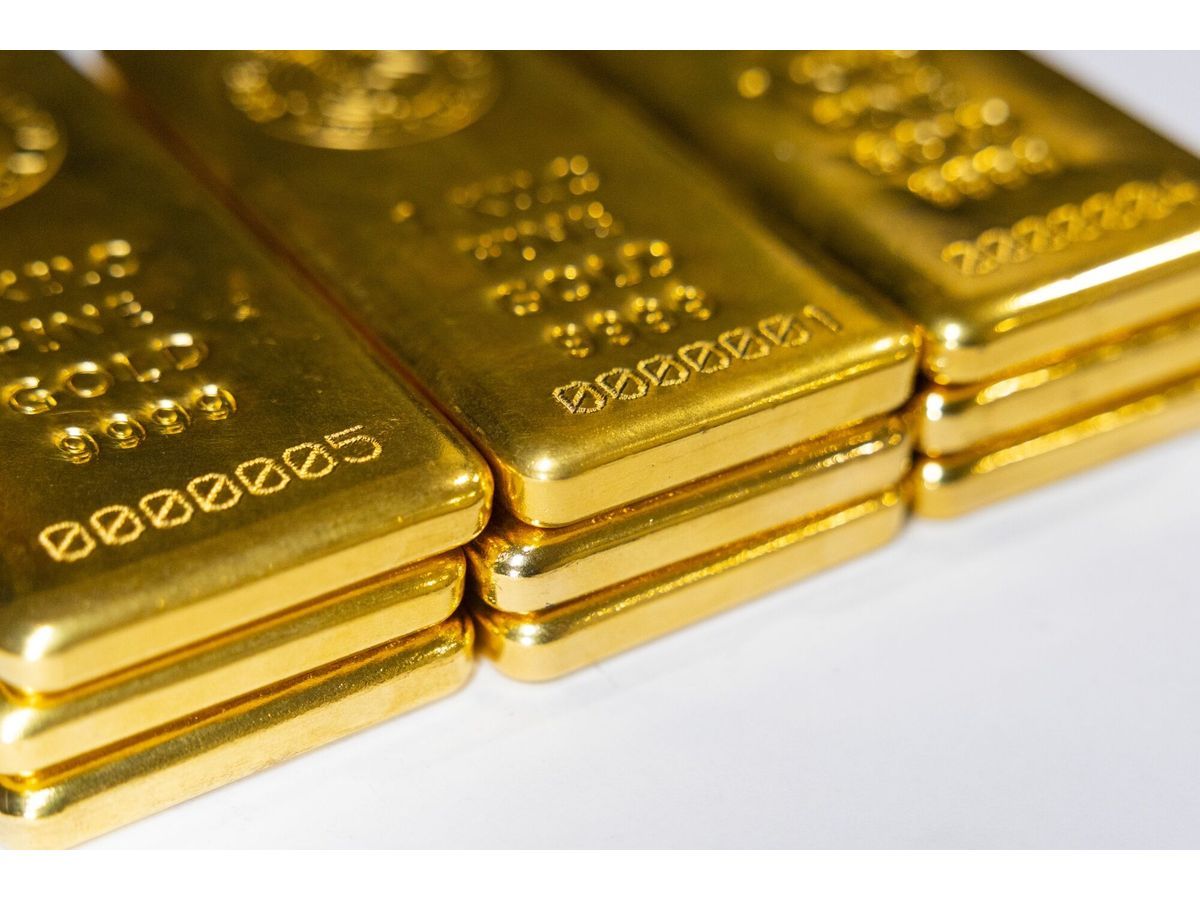
Gold was on track for the biggest weekly loss since early June as renewed hostilities in the Middle East raised concerns that higher interest rates will be needed to contain war-driven inflation.
(Bloomberg) — Gold was on track for the biggest weekly loss since early June as renewed hostilities in the Middle East raised concerns that higher interest rates will be needed to contain war-driven inflation. Bullion edged higher on Friday to trade near $4,000 an ounce, but was down about 3% on the week.
The US and Iran clashed for a sixth straight day, with oil set for a weekly jump. The conflict, now in its fifth month, is again driving up energy and commodity prices from fuel to raw materials used in manufacturing and food production. That’s kindling fears the Federal Reserve may eventually tighten monetary policy, even as soft US economic data suggest a rate hike isn’t likely in the near term.
Higher borrowing costs are a headwind for non-yielding bullion. “Softer US CPI and PPI readings recently supported prices by reducing expectations for near-term Federal Reserve tightening,” said Ole Sloth Hansen, head of commodity strategy at Saxo Bank A/S. “However, the move quickly faded after renewed gains in oil and fresh US strikes against Iran revived concerns that higher energy costs could feed back into inflation.” Bullion has hovered in a narrow range around $4,000 an ounce in recent weeks after losing 14% in the second quarter, its worst showing since 2013.
It notched its worst monthly performance since the 2008 financial crisis in June. Swap traders see just a 10% likelihood that the Fed will raise interest rate at its next meeting in July, but have priced in at least one hike by the end of the year. Meanwhile, A growing chorus of Fed officials is expressing concern over high inflation and warning that the central bank might soon need to lift rates.
Fed Vice Chair Philip Jefferson suggested Thursday that the central bank should consider raising rates if inflation doesn’t cool soon, but that monetary policy appears well-positioned for now. Dallas Fed President Lorie Logan called for higher interest rates and Kansas City Fed President said inflation had been above the 2% target for too long. The slight bounce on Friday may be a reflection of dip-buying, but it’s too soon to call a turnaround in the market, said Christopher Wong, a strategist at Oversea-Chinese Banking Corp.
“Upside in gold requires oil prices to ease off further and hawkish rhetoric to dial down,” he added. Spot gold was up 0.5% at $3,996.75 an ounce at 11:08 a.m. in London after falling 2% the previous session. Silver was little changed at $55.55.
Platinum fell, while palladium inched higher. The Bloomberg Dollar Spot Index, a gauge of the US currency, was little changed.
- Published
- Jul 17, 2026
- Updated
- Jul 17, 2026
- Source
- Financial Post
- Category
- Top
- Read time
- 2 min
Key facts
Why this matters locally
This top story matters locally because it may affect readers, businesses, commuters, families, or public services in British Columbia.
Local impact
BC Post links this item to British Columbia coverage so readers can follow related city updates, weather, traffic, events, and category news in one place.
Timeline
Source and credit
BC Post may summarize, organize, and add local context for reader clarity. Original reporting remains with the listed publisher.
Related Articles
View all Top
Rock the Lake celebrated its ninth year at Prospera Place this past weekend
Top
Rock the Lake celebrated its ninth year at Prospera Place this past weekend
 Top
Million-dollar contract awarded for Surrey Sport & Leisure Complex renos
Top
Million-dollar contract awarded for Surrey Sport & Leisure Complex renos
 Top
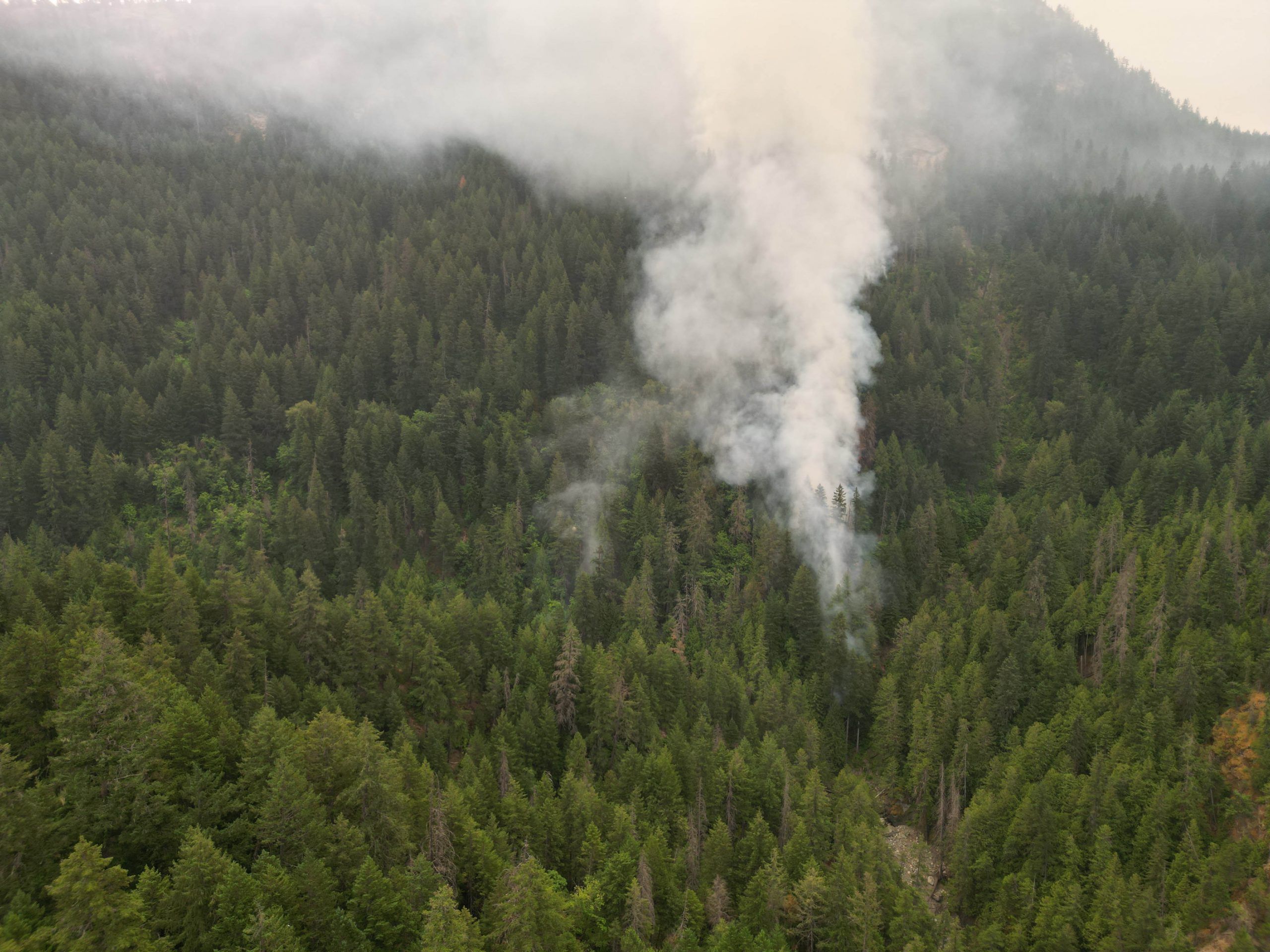
Brunswick Creek wildfire grows, leads to air quality warning in east Fraser Valley
Top
Brunswick Creek wildfire grows, leads to air quality warning in east Fraser Valley
 Top
'A sacred place': Delta park to get dedicated ash-scattering site
Top
'A sacred place': Delta park to get dedicated ash-scattering site
 Top
MLA Jordan Kealy to face jury in sexual assault case
Top
MLA Jordan Kealy to face jury in sexual assault case
 Top
BCWS aircraft helping Kamloops firefighters battle grass fire above Shuswap Road
Top
BCWS aircraft helping Kamloops firefighters battle grass fire above Shuswap Road
More Local Coverage
Latest news Business
AI Market Trends: Q2 2026 Review and Forecast
Business
AI Market Trends: Q2 2026 Review and Forecast
 Politics
Powerful pro-life ad featuring boxing legend to air during final World Cup matches
Politics
Powerful pro-life ad featuring boxing legend to air during final World Cup matches
 Local News
Cowichan sports shorts: rugby, hockey, biking
Local News
Cowichan sports shorts: rugby, hockey, biking