

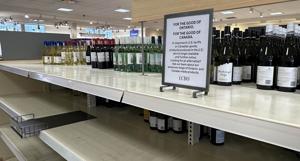
The LCBO said $2.6 million worth of U.S. products have expired as of the end of March, but roughly 97 per cent “remains in good condition and within its normal shelf-life."
Sixteen months after U.S. alcohol was pulled from Liquor Control Board of Ontario (LCBO) store shelves, nearly $2.6 million worth of products have expired, but most remain sellable, according to the Crown liquor agency. Meanwhile, an Ontario business expert said Premier Doug Ford should resolve the liquor dispute amid calls from some Democratic American lawmakers to address Canada-U.S. trade irritants. Ontario stopped selling U.S. alcohol on March 4, 2025, in response to tariffs on Canadian goods announced by U.S. President Donald Trump, including levies on Canadian steel, aluminum and autos.
$2.6M in U.S. alcohol expired In an email to Metroland Media, the LCBO said based on a May analysis, roughly $2.6 million worth of U.S. products had expired as of the end of March 2026. But roughly 97 per cent “remains in good condition and within its normal shelf-life,” the agency added. $8M cost to store U.S. products Meanwhile, the cost to store the shelved U.S. products has reached an estimated $8 million.
The LCBO said wines and spirits make up a significant portion of the stored U.S. products and they remain suitable for consumption. Spirit products remain safe to consume up to a decade, the LCBO added. “LCBO will continue to store these products in accordance with our standards and monitor their expiration, working with the provincial government to review the best course of action,” the agency added in the statement.
No imminent plan to resume U.S. alcohol sales A spokesperson for Ontario Finance Minister Peter Bethlenfalvy said the province has no imminent plan to reinstate U.S. alcohol. “In response to President Trump’s tariffs taking direct aim at our economy, our government directed the LCBO to remove U.S. made alcohol from their shelves,” spokesperson Sarah Chapin said in an email. “We have been clear — until tariffs are removed, U.S. alcohol will remain off shelves.”
Ontario’s premier expressed a similar view earlier this month, posting to X: “We won’t back down. The fastest and only way to get U.S. alcohol back on Ontario shelves is for the U.S. to drop its illegal tariffs on Canada.” But how the province will end its U.S. alcohol ban remains unclear.
How will Ontario’s U.S. alcohol ban end? Marvin Ryder, a marketing expert and associate professor at McMaster’s DeGroote School of Business, noted the LCBO sells about $7 billion worth of products annually, generating about $2 billion each year for provincial coffers and nearly $1 billion in federal payments. So the estimated $80 million in U.S. alcohol removed from LCBO shelves likely equates to a rounding error in the LCBO’s overall operations.
But given recent pressure from U.S. lawmakers, including Democratic Sen. Adam Schiff (California), to reinstate U.S. alcohol, the premier should seek an end game to the 16-month boycott to help mend international trade relations. ‘Bring this to an end’ “If I was advising Mr. Ford, I would say find a way to bring this to an end,” said Ryder. “We’re just in this terminal hold pattern.”
While it’s unclear when U.S. products might return to LCBO shelves, Ryder expects demand for American booze will remain comparable to early 2025 levels. Dispute costing Ontario $500K a month Ryder estimated the province is paying about $500,000 per month in financing and storage costs for the U.S. alcohol. While some provinces, such as Alberta and Saskatchewan, have called a truce in the tariff dispute and kept U.S. alcohol on the shelves, others like Nova Scotia, Quebec, Manitoba, Prince Edward Island and Newfoundland and Labrador have sold off the products and donated proceeds to charity.
Ontario could discount the aging U.S. alcohol or sell it off for charity, but Ryder said he’s unsure of how consumers might react to “old” products being placed on store shelves. Customers may not care, for example, when an aged whiskey was bottled, for example. Ryder said it’s ultimately unclear how the province will end its U.S. alcohol ban.
While provinces may remain upset about ongoing U.S. tariffs, ongoing restrictions on the sale of U.S. alcohol are unlikely to prompt the Trump administration to back down. “I just think it’s a nuisance,” said Ryder. “Get it resolved.
Put it in the rear-view mirror. Everyone will be that much happier.”
- Published
- Jul 15, 2026
- Updated
- Jul 15, 2026
- Source
- New Hamburg Independent
- Category
- Top
- Read time
- 3 min
Key facts
Why this matters locally
This top story matters locally because it may affect readers, businesses, commuters, families, or public services in British Columbia.
Local impact
BC Post links this item to British Columbia coverage so readers can follow related city updates, weather, traffic, events, and category news in one place.
Timeline
Source and credit
BC Post may summarize, organize, and add local context for reader clarity. Original reporting remains with the listed publisher.
Related Articles
View all Top
Rock the Lake celebrated its ninth year at Prospera Place this past weekend
Top
Rock the Lake celebrated its ninth year at Prospera Place this past weekend
 Top
Million-dollar contract awarded for Surrey Sport & Leisure Complex renos
Top
Million-dollar contract awarded for Surrey Sport & Leisure Complex renos
 Top
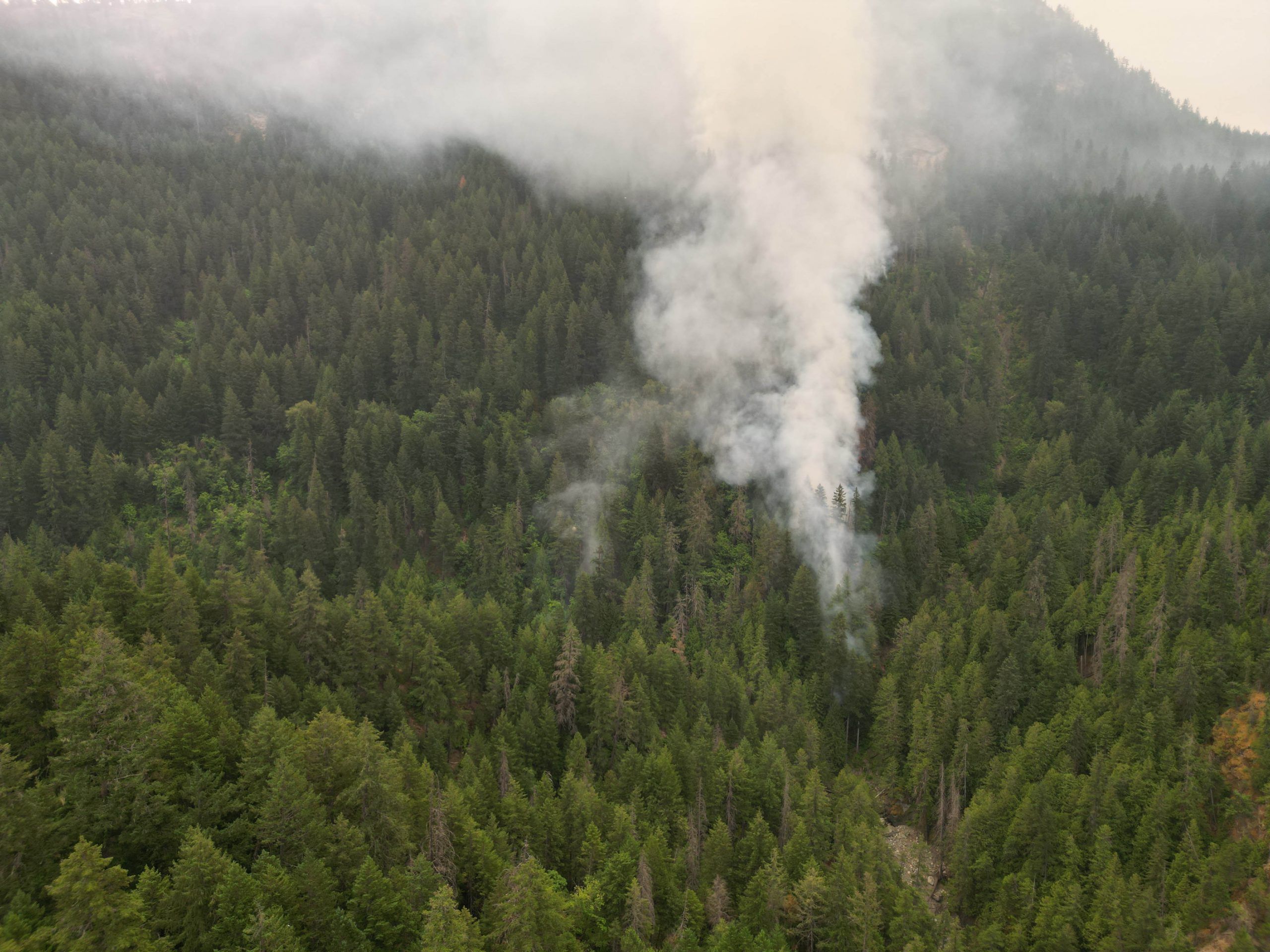
Brunswick Creek wildfire grows, leads to air quality warning in east Fraser Valley
Top
Brunswick Creek wildfire grows, leads to air quality warning in east Fraser Valley
 Top
'A sacred place': Delta park to get dedicated ash-scattering site
Top
'A sacred place': Delta park to get dedicated ash-scattering site
 Top
MLA Jordan Kealy to face jury in sexual assault case
Top
MLA Jordan Kealy to face jury in sexual assault case
 Top
BCWS aircraft helping Kamloops firefighters battle grass fire above Shuswap Road
Top
BCWS aircraft helping Kamloops firefighters battle grass fire above Shuswap Road
More Local Coverage
Latest news Business
AI Market Trends: Q2 2026 Review and Forecast
Business
AI Market Trends: Q2 2026 Review and Forecast
 Politics
Powerful pro-life ad featuring boxing legend to air during final World Cup matches
Politics
Powerful pro-life ad featuring boxing legend to air during final World Cup matches
 Local News
Cowichan sports shorts: rugby, hockey, biking
Local News
Cowichan sports shorts: rugby, hockey, biking