

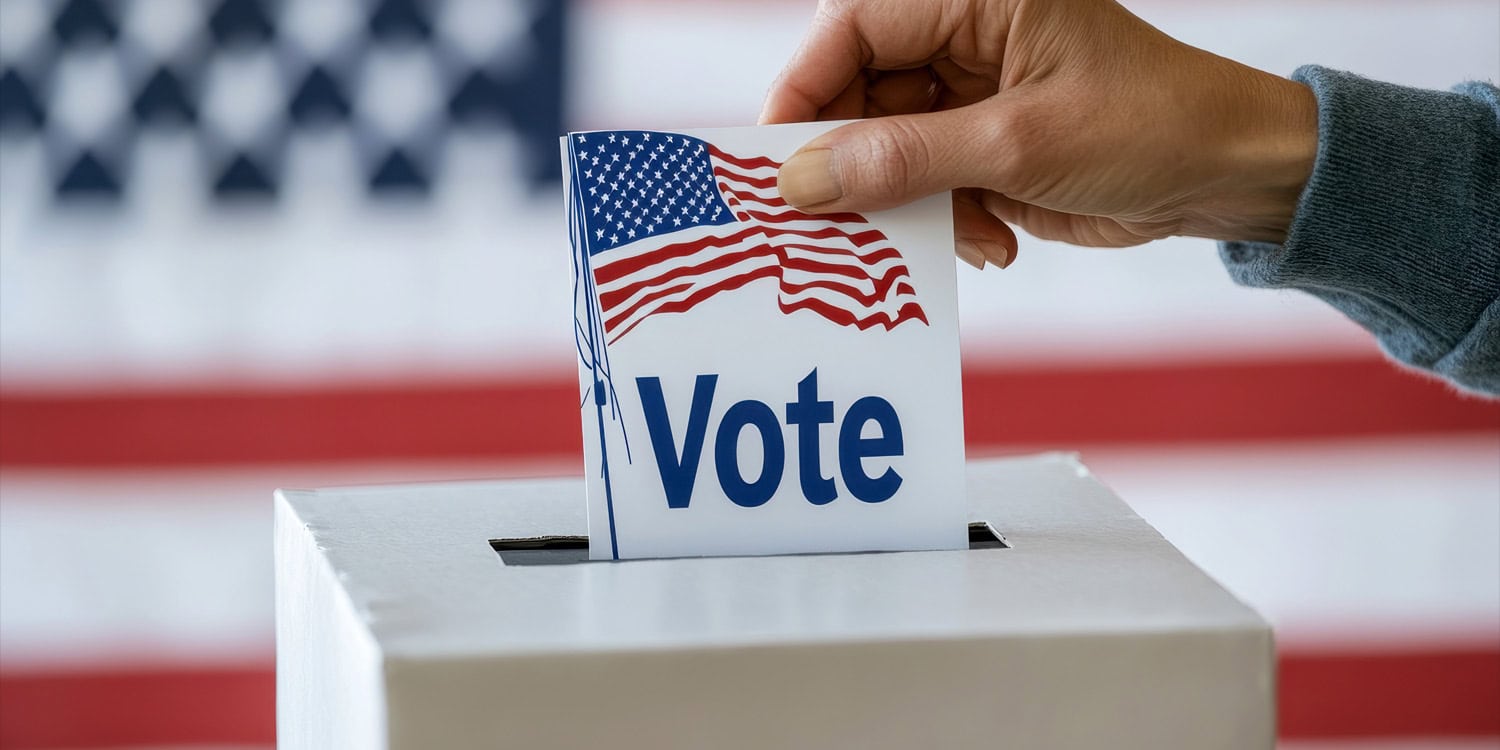
A new study of Belgian elections reveals that while compulsory voting drastically increases turnout, it does not automatically make citizens more interested in politics, knowledgeable about government, or supportive of democracy.
A recent study published in Public Opinion Quarterly provides evidence that requiring citizens to vote does not automatically make them more interested in politics or more supportive of democracy. The research suggests that removing penalties for not voting drastically reduces electoral participation but leaves a population’s political engagement and democratic attitudes largely unchanged. Compulsory voting is a system where eligible citizens are legally mandated to participate in elections.
In many of the roughly 25 countries that use this system, failing to cast a ballot can result in a fine or other penalties. Proponents of mandatory voting often argue that forcing people to the polls encourages them to learn about political issues and fosters a sense of civic duty. This issue has become increasingly relevant due to shifting electoral habits worldwide.
“This debate is held in part because of declining turnout rates in elections, so in this way we do also address a real-world problem,” said Dieter Stiers , a postdoctoral researcher for the Research Foundation Flanders at KU Leuven. The theory suggests that if everyone has to vote, political parties might expand their campaigns to educate a broader audience. “The main motivation was the fact that there is a recurrent argument made in the debate on compulsory voting, that has been proven to be very difficult to test empirically: that by forcing people to vote, they will become more engaged and interested in politics,” Stiers explained.
He noted that under voluntary systems, citizens can simply choose to ignore politics. “However, by making turnout obligatory, some kind of effort is mandatory. As they will need to vote anyway, it is argued, they will also be more likely to do at least some effort to learn about the parties and candidates.”
Critics argue that the system might breed resentment among those forced to the polls against their will. They also warn that compulsory voting might encourage unengaged citizens to vote at random, potentially lowering the overall political knowledge of the voting public. Prior research on this topic has produced highly mixed results.
Stiers and co-
Source and reference
author Shane P. Singh, the Joshua W. Jones Professor of Public and International Affairs at the University of Georgia, noted that past studies often struggled with methodological trade-offs. Cross-national surveys comparing different countries can be influenced by cultural or economic differences that have nothing to do with voting laws. Laboratory experiments, on the other hand, might not accurately reflect how people behave in the real world. “Testing this is very difficult, and previous research designs face important challenges,” Stiers said. To overcome these hurdles, the authors took advantage of a rare policy change in Belgium. Belgium has enforced mandatory voting since 1893. In 2021, the regional government of Flanders chose to abolish this requirement for local elections starting in the year 2024. The rest of the country, including the regions of Wallonia and Brussels, kept...
Read original source- Published
- Jul 14, 2026
- Updated
- Jul 14, 2026
- Source
- Psypost - Psychology News
- Category
- Politics
- Read time
- 8 min
Key facts
Why this matters locally
This politics story matters locally because it may affect readers, businesses, commuters, families, or public services in British Columbia.
Local impact
BC Post links this item to British Columbia coverage so readers can follow related city updates, weather, traffic, events, and category news in one place.
Timeline
Source and credit
BC Post may summarize, organize, and add local context for reader clarity. Original reporting remains with the listed publisher.
Related Articles
View all Politics
Powerful pro-life ad featuring boxing legend to air during final World Cup matches
Politics
Powerful pro-life ad featuring boxing legend to air during final World Cup matches
 Politics
Vaughn Palmer: David Eby's slow and expensive step toward involuntary care
Politics
Vaughn Palmer: David Eby's slow and expensive step toward involuntary care
 Politics
Corus rebuts misinformation about future of Global News in Alberta after layoffs
Politics
Corus rebuts misinformation about future of Global News in Alberta after layoffs
 Politics
Pitt Meadows to host information session for city council candidates
Politics
Pitt Meadows to host information session for city council candidates
 Politics
‘No consequences’: East Van woman says she was targeted by hate-motivated assault
Politics
‘No consequences’: East Van woman says she was targeted by hate-motivated assault
 Politics
Hundreds of enthusiatic supporters attend Surrey Mayor Brenda Locke’s fundarising dinner
Politics
Hundreds of enthusiatic supporters attend Surrey Mayor Brenda Locke’s fundarising dinner
More Local Coverage
Latest news Business
AI Market Trends: Q2 2026 Review and Forecast
Business
AI Market Trends: Q2 2026 Review and Forecast
 Local News
Cowichan sports shorts: rugby, hockey, biking
Local News
Cowichan sports shorts: rugby, hockey, biking