

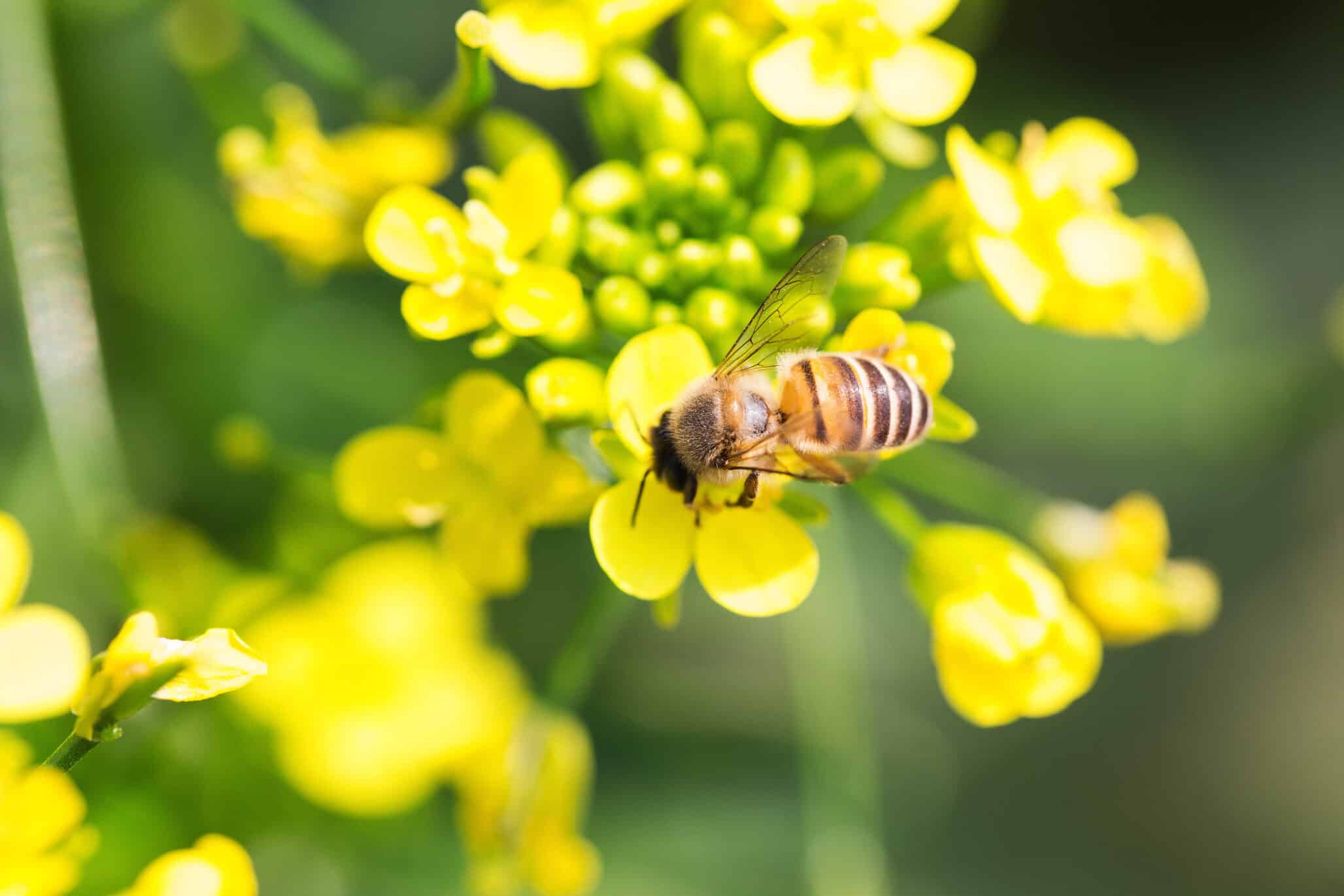
Pollinator loss could pose a serious risk to European crop production, food security and agricultural resilience. EU-funded researchers say stronger pollinator stewardship is needed across farming, land use, pesticide regulation and policy. The post Europe Warned Pollinator Loss Threatens Crops appeared first on Seed World .
EU-funded researchers say stronger pollinator stewardship is needed across agriculture, environment and policy to protect food security. Europe could face a serious agricultural and food security crisis if it fails to halt pollinator loss, according to a new White Paper from eight EU-funded pollinator research consortia. The report, developed by 135 researchers across disciplines including pollinator ecology, ecosystem science, ecological economics, social science, political science and environmental law, warns that wild pollinator declines and pressures on managed bees pose a direct risk to crop production and the wider resilience of European agriculture.
The
Source and reference
authors call for a coordinated roadmap to reverse wild pollinator decline, protect managed pollinators and make pollinator stewardship a measurable priority across EU and Member State policies. Why Pollinators Matter to Crops Pollinators play a critical role in the production of many crops, from fruits and vegetables to oilseeds, medicinal plants, fodder crops and other flowering plants used in food, feed, fibre and bio-based materials. The report warns that pollinator loss is not only an environmental issue. It also affects the stability of agricultural supply chains and the long-term productivity of farming systems. Without reliable pollination, crop yields, quality and consistency can suffer. Researchers say the problem is linked to a wider breakdown in how human activity interacts with nature. Unsustainable agricultural practices, short-term production goals and fragmented policy...
Read original source- Published
- Jul 14, 2026
- Updated
- Jul 14, 2026
- Source
- Seed World
- Category
- Environment
- Read time
- 3 min
Key facts
Why this matters locally
This environment story matters locally because it may affect readers, businesses, commuters, families, or public services in British Columbia.
Local impact
BC Post links this item to British Columbia coverage so readers can follow related city updates, weather, traffic, events, and category news in one place.
Timeline
Source and credit
BC Post may summarize, organize, and add local context for reader clarity. Original reporting remains with the listed publisher.
Related Articles
View all Environment
50-hectare wildfire burns between Clearwater and 100 Mile House
Environment
50-hectare wildfire burns between Clearwater and 100 Mile House
 Environment
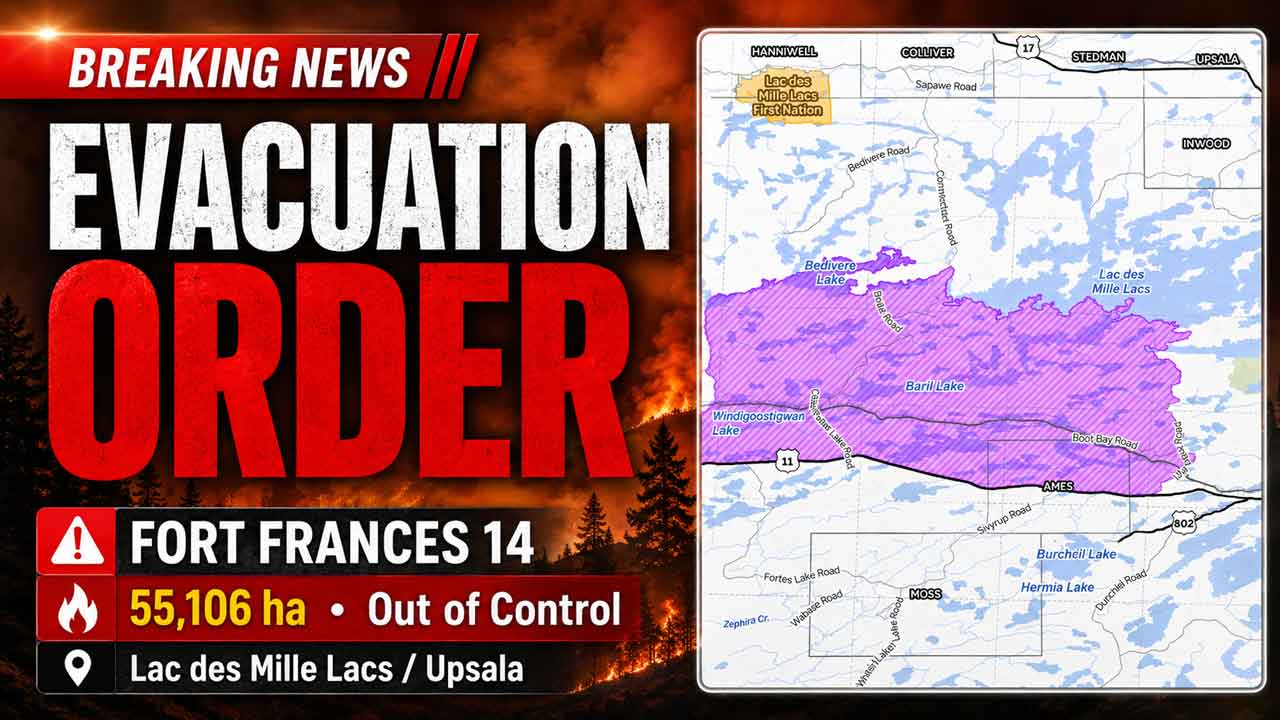
Updated Evacuation Information for Wildfire Fort Frances 14 (July 17 2026)
Environment
Updated Evacuation Information for Wildfire Fort Frances 14 (July 17 2026)
 Environment
A powerful movement of healing arrives at Delta’s Discovery Centre
Environment
A powerful movement of healing arrives at Delta’s Discovery Centre
 Environment
Port Coquitlam mayor launches program that removes graffiti on public property within 48 hours
Environment
Port Coquitlam mayor launches program that removes graffiti on public property within 48 hours
 Environment
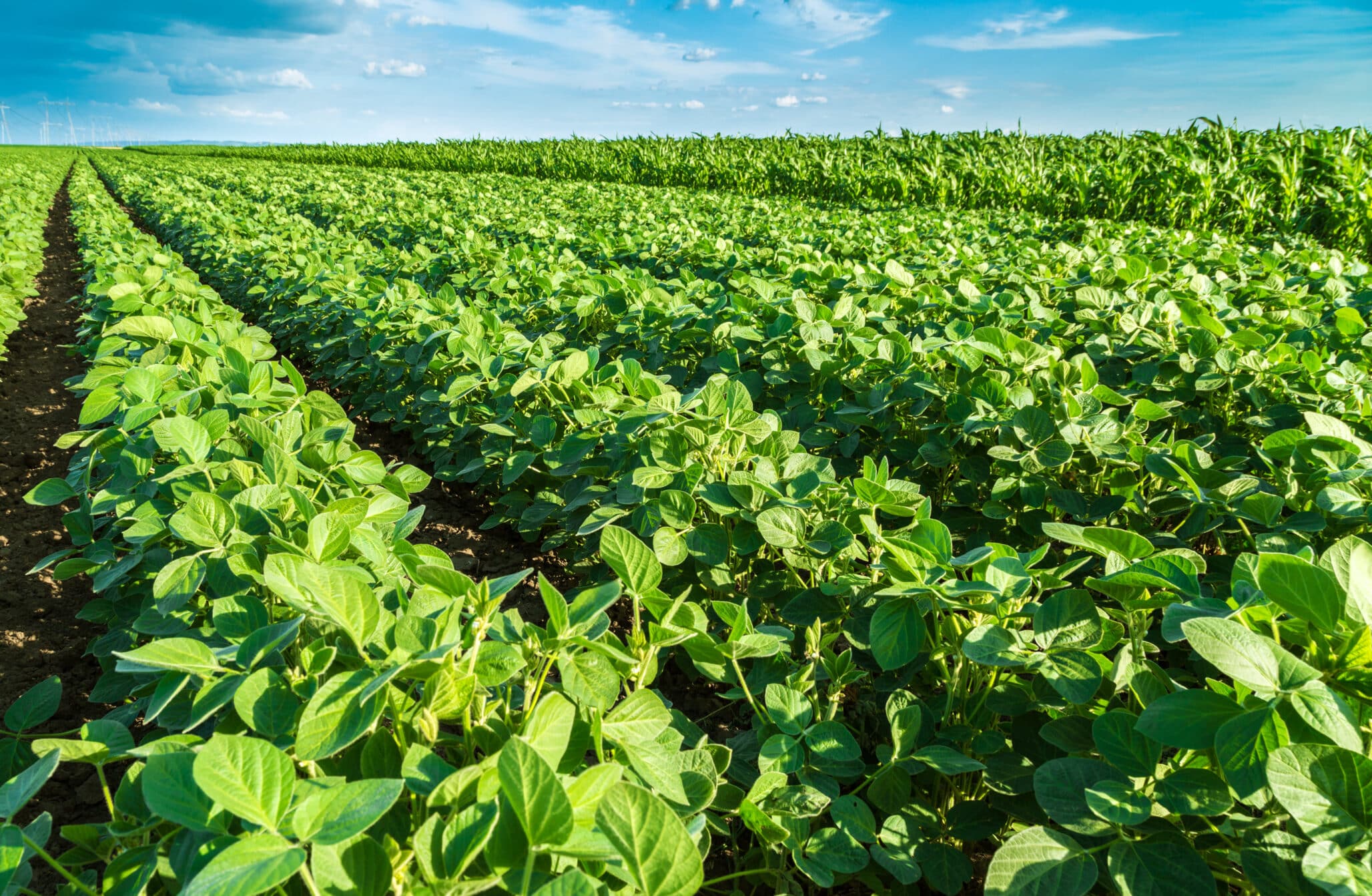
EU Excludes Soybean Seed from Deforestation Rules
Environment
EU Excludes Soybean Seed from Deforestation Rules
 Environment
Metro Vancouver issues air quality warning as wildfire smoke drifts in
Environment
Metro Vancouver issues air quality warning as wildfire smoke drifts in
More Local Coverage
Latest news Business
AI Market Trends: Q2 2026 Review and Forecast
Business
AI Market Trends: Q2 2026 Review and Forecast
 Politics
Powerful pro-life ad featuring boxing legend to air during final World Cup matches
Politics
Powerful pro-life ad featuring boxing legend to air during final World Cup matches