


DeWine signs law criminalizing identification refusal in traffic stops
By Mary Frances McGowan cleveland.com COLUMBUS, Ohio — Gov. Mike DeWine signed legislation Tuesday making it a crime for drivers and passengers to refuse to identify themselves during a traffic stop. House Bill 492, which cleared the Ohio House in November and passed the Senate before lawmakers recessed for the summer, makes it a fourth-degree misdemeanor for a driver or passenger to refuse to provide their name, address or date of birth when a peace officer reasonably suspects they have committed a violation of Ohio motor-vehicle laws. A fourth-degree misdemeanor carries a potential penalty of up to 30 days in jail and a $250 fine.
| RESOURCE: Choose the right real-time policing model for your agency The bill also broadens the definition of interference with an officer under Ohio’s motor-vehicle code, raising the penalty from a minor misdemeanor to a second-degree misdemeanor, punishable by up to 90 days in jail and a $750 fine. The law becomes effective in 90 days.
Throughout the legislative process, critics of the bill argued that the more severe penalties were disproportionate to the scope of the offenses. “This expansive broadening means that interference with an officer during enforcement of even a minor or routine nonmoving violation, such as a faulty taillight or lapsed registration, could now trigger a serious obstruction charge,” wrote Zachary Miller, a legislative officer for the Office of the Ohio Public Defender, in opponent testimony. Supporters, meanwhile, said it provides a necessary framework for law enforcement to follow during traffic stops.
“This targeted change, accompanied by an appropriate penalty, will help encourage drivers and occupants to be voluntary partners in public safety,” wrote Col. Charles A. Jones of the State Highway Patrol in proponent testimony. Ohio courts have repeatedly found that refusing to identify oneself during a traffic stop does not constitute obstructing official business, the charge officers have typically relied on in those situations. In Toledo v. Dandridge, the 6th District Court of Appeals ruled in 2013 that a driver’s refusal to provide a name or driver’s license was not obstruction because it was not an “affirmative act.”
Similarly, the 8th District reached the same conclusion in State v. Ellis in 2020, overturning a conviction where the defendant merely refused to cooperate with fingerprinting. The bill was backed by the Fraternal Order of Police of Ohio and other law enforcement groups, which argued that existing case law left a gap in enforcement that could only be resolved through legislation. ©2026
Advance Local Media LLC. Visit cleveland.com. Distributed by Tribune Content Agency, LLC.
- Published
- Jul 11, 2026
- Updated
- Jul 11, 2026
- Source
- Vancouver Star
- Category
- Crime
- Read time
- 2 min
Key facts
Why this matters locally
This crime story matters locally because it may affect readers, businesses, commuters, families, or public services in British Columbia.
Local impact
BC Post links this item to British Columbia coverage so readers can follow related city updates, weather, traffic, events, and category news in one place.
Timeline
Source and credit
BC Post may summarize, organize, and add local context for reader clarity. Original reporting remains with the listed publisher.
Related Articles
View all Crime
Video shows rescue of lone survivor from deadly B.C. helicopter crash
Crime
Video shows rescue of lone survivor from deadly B.C. helicopter crash
 Crime
Family launches fundraiser for woman struck by truck in Mission
Crime
Family launches fundraiser for woman struck by truck in Mission
 Crime
A dozen cats are missing after New Westminster apartment fire that displaced roughly 100 residents
Crime
A dozen cats are missing after New Westminster apartment fire that displaced roughly 100 residents
 Crime
New Langley Township fire hall opens with ‘push in’ ceremony
Crime
New Langley Township fire hall opens with ‘push in’ ceremony
 Crime
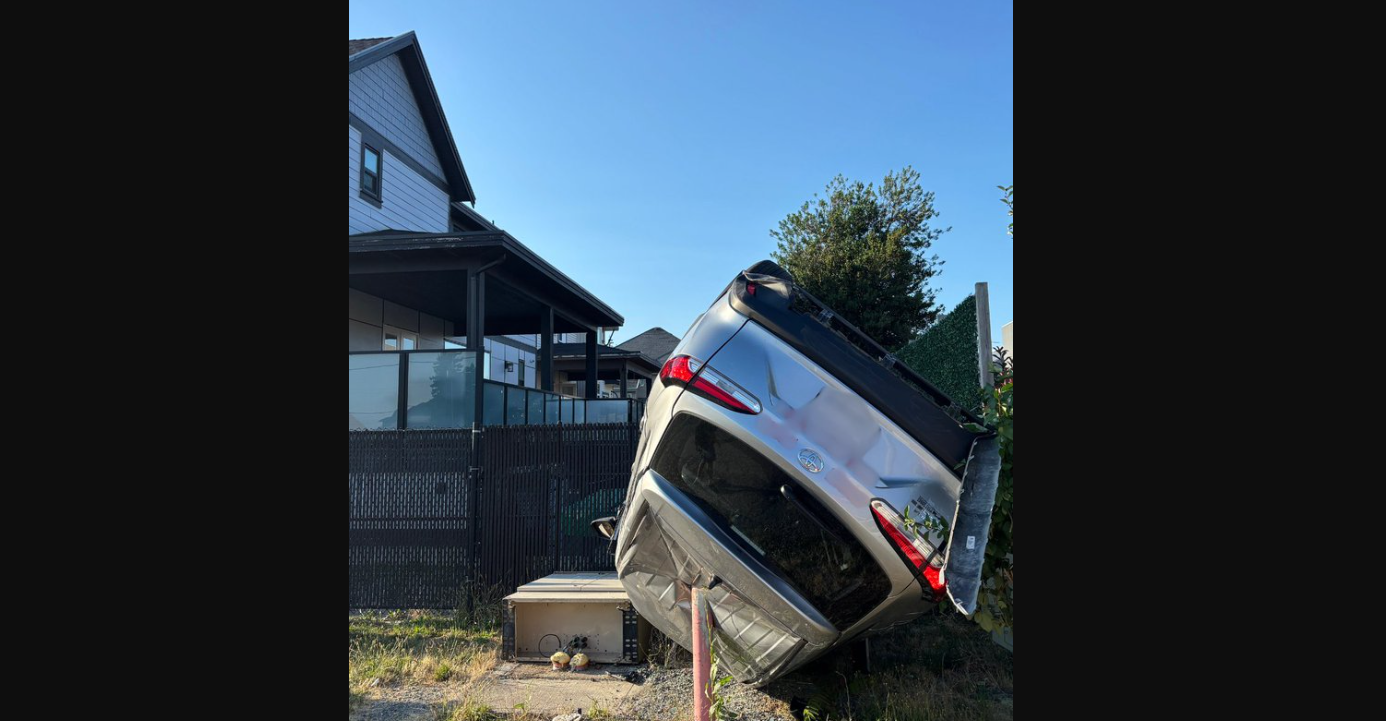
‘N’ driver involved in Abbotsford rollover crash, police say
Crime
‘N’ driver involved in Abbotsford rollover crash, police say
 Crime
Langley woman pleads for break on $49K fines after felling 11 trees
Crime
Langley woman pleads for break on $49K fines after felling 11 trees
More Local Coverage
Latest news Business
AI Market Trends: Q2 2026 Review and Forecast
Business
AI Market Trends: Q2 2026 Review and Forecast
 Politics
Powerful pro-life ad featuring boxing legend to air during final World Cup matches
Politics
Powerful pro-life ad featuring boxing legend to air during final World Cup matches
 Politics
Traditional Catholic response to Cupich’s suicide distortion
Politics
Traditional Catholic response to Cupich’s suicide distortion