


It’s getting hot here. The temperature’s rising. We’re inundated and overwhelmed by disastrous news about climate change. And it’s confusing. We know climate change is the result of polluting our [...]
Climate change is heating up temperatures in Vernon Published 12:00 pm Saturday, July 11, 2026 It’s getting hot here. The temperature’s rising.
We’re inundated and overwhelmed by disastrous news about climate change. And it’s confusing. We know climate change is the result of polluting our precious life-securing and shielding atmosphere mostly by burning fossil fuels combined with destroying our Earth’s natural environments.
But how does this affect us in the Okanagan? The coal, oil and gas we use as fuel energy are remains of decomposed, once living organisms, including plants and animals, that have been compacted and fossilized over hundreds of millions of years. When burned, its dense energy is intense.
It releases CO2 that heats up the atmosphere. We know that our temperature is rising, even here in Vernon. Last July, the Allan Brooks Nature Centre celebrated its 25th anniversary.
Our Mayor, Victor Cumming, gave a startling speech there revealing Vernon’s weather records of days with a maximum temperature over 35 degrees Celsius. Days reaching 35°C or hotter have become much more common over time, especially since the late 1990s. In earlier decades, most years had either normal conditions (based on a 30 year historical average from 1951 to 1980) or fewer extreme-heat days.
More recent decades have many more years with above- normal 35°C plus days. After Cumming’s speech, the audience gasped; they were astounded. Here’s the Vernon weather records temperature trend summary he referred to: • 1915–1945 – 30 years: Extreme 35°C days were very uncommon.
Some years had slightly more hot days than normal, but many years had fewer. • 1945–1975 – 30 years: Mostly stable or slightly below normal. No long-term increase in very hot days.
• 1975–1995 – 20 years: Small temperature increases begin to appear, but most years still remain close to normal levels. • 1995–2000 – 5 years: A noticeable shift starts. Several years record more 35°C days than average, and the temperature trend begins climbing upward.
• 2000–2005 – 5 years: Hot extremes become more frequent. Some years are significantly above normal, indicating more regular heat events. • 2005–2010 – 5 years: Sustained high heat continues, with most years above normal and very few cooler-than-normal years.
• 2015–2020 – 5 years: Extreme heat becomes much more common. Several years record very large increases in 35°C days. • 2020–2025 – 5 years: The highest temperatures occur here, including years with around 15 to 18 extra 35°C days above normal.
Roseanne Van Ee enthusiastically shares her knowledge of the outdoors to help readers experience and enjoy nature. Follow her on Facebook.
- Published
- Jul 11, 2026
- Updated
- Jul 11, 2026
- Source
- Vernon Morning Star
- Category
- Environment
- Read time
- 2 min
Key facts
Why this matters locally
This environment story matters locally because it may affect readers, businesses, commuters, families, or public services in British Columbia.
Local impact
BC Post links this item to British Columbia coverage so readers can follow related city updates, weather, traffic, events, and category news in one place.
Timeline
Source and credit
BC Post may summarize, organize, and add local context for reader clarity. Original reporting remains with the listed publisher.
Related Articles
View all Environment
50-hectare wildfire burns between Clearwater and 100 Mile House
Environment
50-hectare wildfire burns between Clearwater and 100 Mile House
 Environment
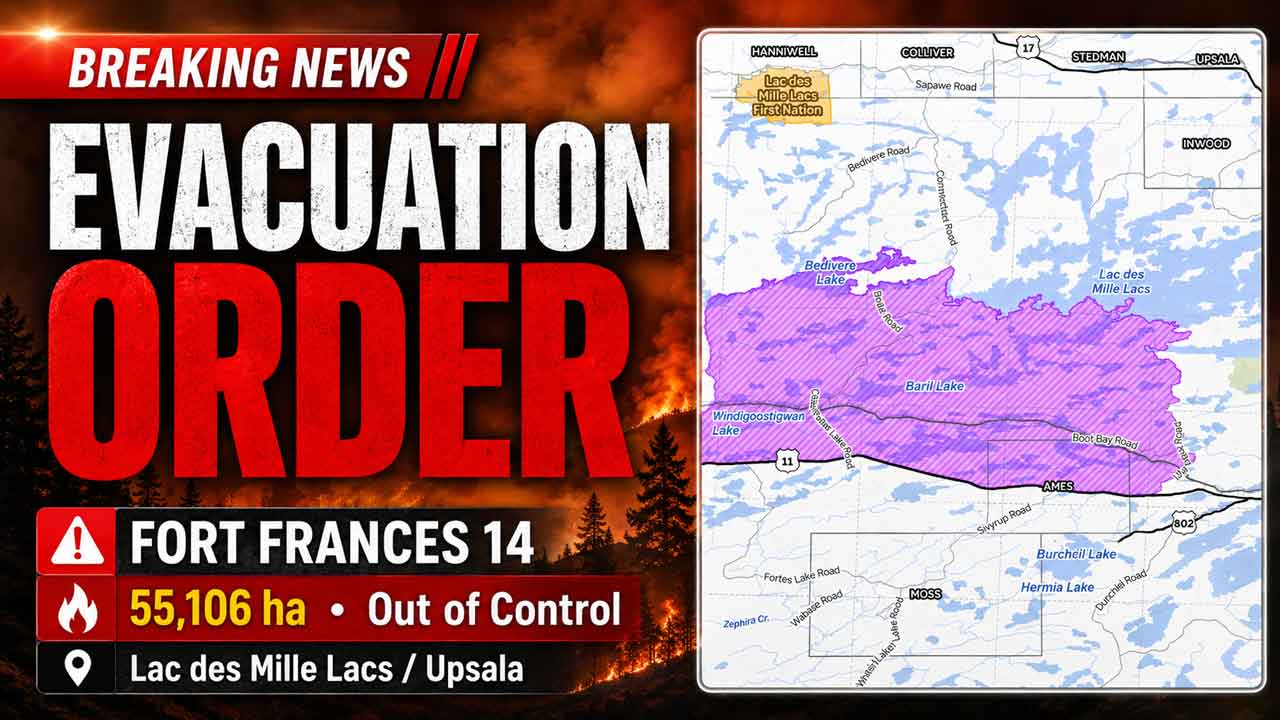
Updated Evacuation Information for Wildfire Fort Frances 14 (July 17 2026)
Environment
Updated Evacuation Information for Wildfire Fort Frances 14 (July 17 2026)
 Environment
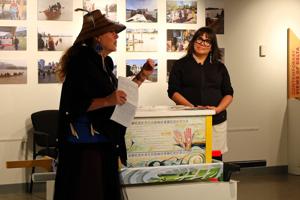
A powerful movement of healing arrives at Delta’s Discovery Centre
Environment
A powerful movement of healing arrives at Delta’s Discovery Centre
 Environment
Port Coquitlam mayor launches program that removes graffiti on public property within 48 hours
Environment
Port Coquitlam mayor launches program that removes graffiti on public property within 48 hours
 Environment
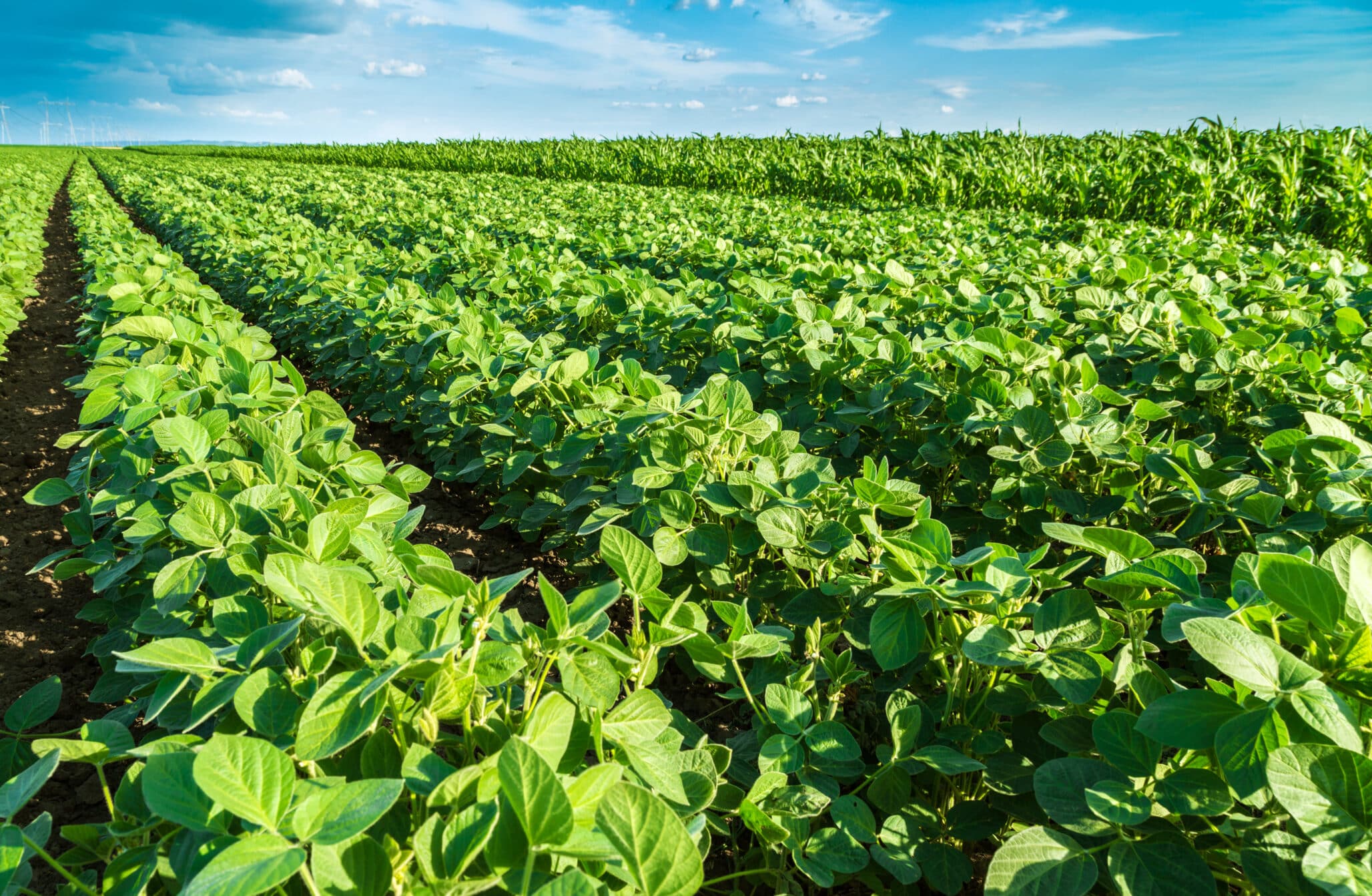
EU Excludes Soybean Seed from Deforestation Rules
Environment
EU Excludes Soybean Seed from Deforestation Rules
 Environment
Metro Vancouver issues air quality warning as wildfire smoke drifts in
Environment
Metro Vancouver issues air quality warning as wildfire smoke drifts in
More Local Coverage
Latest news Business
AI Market Trends: Q2 2026 Review and Forecast
Business
AI Market Trends: Q2 2026 Review and Forecast
 Politics
Powerful pro-life ad featuring boxing legend to air during final World Cup matches
Politics
Powerful pro-life ad featuring boxing legend to air during final World Cup matches