

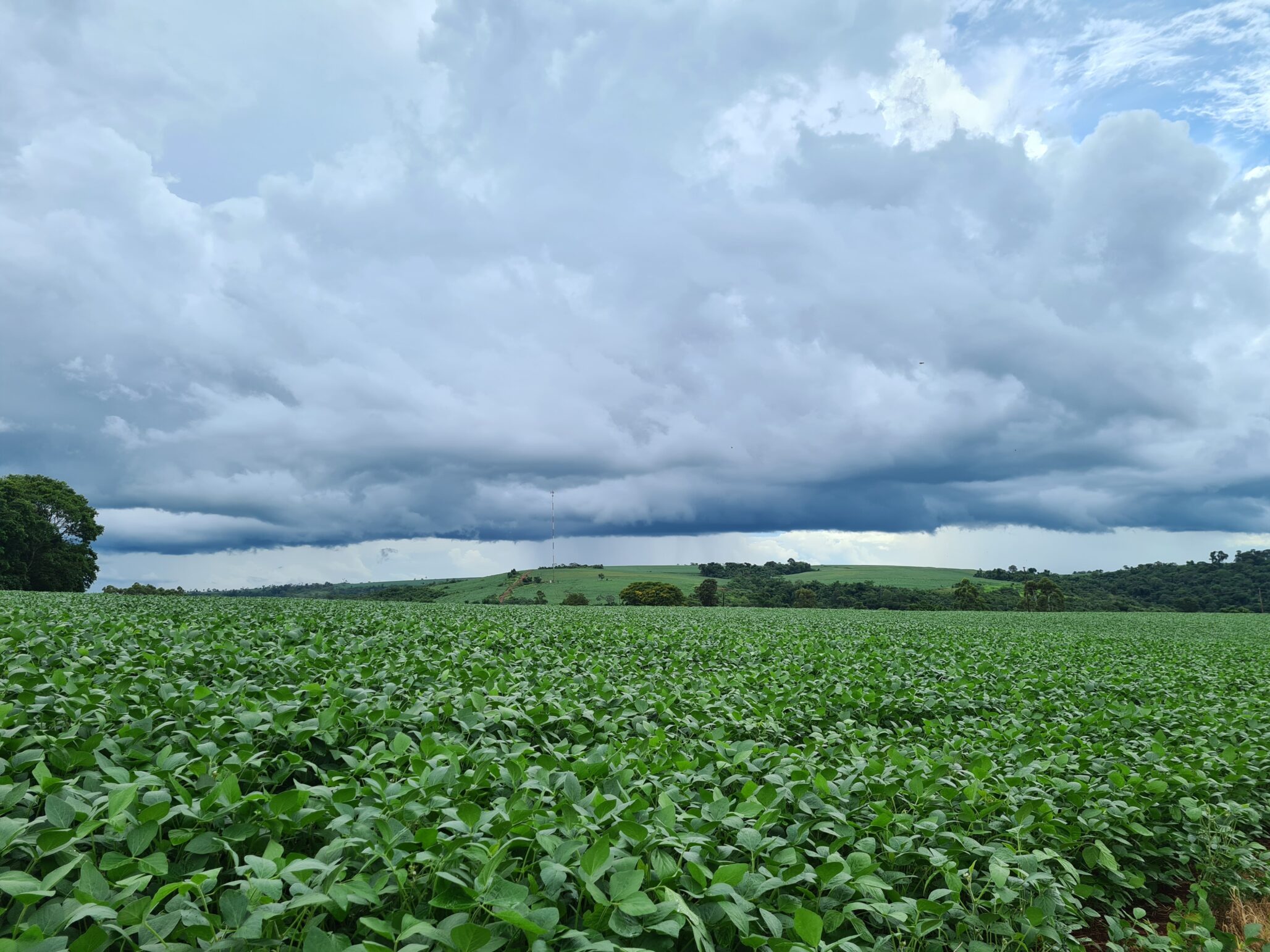
Paraguay’s certified soybean seed sector is facing pressure from limited technology access, unauthorized seed sales and low adoption by growers. APROSEMP says formal technology release is needed to support investment, competitiveness and access to improved genetics. The post Certified Soybean Seed: Paraguay Sector Raises Alarm appeared first on Seed World .
APROSEMP says limited access to new soybean technology, low certified seed use and unauthorized sales are putting pressure on Paraguay’s seed industry. The Paraguayan Seed Producers Association (APROSEMP) is raising concerns about access to a new soybean technology that has received event approval but has not yet completed the process required for commercial release. APROSEMP President Eng.
Agr. Fabián Pereira said the technology could provide an important production tool for soybean growers, but seed companies are not yet able to access it for multiplication and formal sale. “The technology is very good and represents an important tool for the producer.
The problem is that seed companies still cannot access it to multiply it and offer it formally to the market,” he explained. According to Pereira, soybean materials containing the technology are already circulating outside established commercial channels. Meanwhile, companies that invest in seed research, production and certification cannot formally market the technology, according to a press release.
Certified Soybean Seed Use Remains Low The concern comes as Paraguay’s soybean sector continues to record relatively low use of certified seed. Only about one-third of the country’s soybean market currently uses certified materials.
“Only 33% of the soybean market corresponds to certified seeds, despite the fact that it is the main agricultural crop in the country,” he said. Demand has also been affected by the availability of seed saved by growers for their own use following strong production during the most recent zafriña, or second-crop season. Pereira emphasized that APROSEMP recognizes growers’ right to save seed, but distinguishes between legitimate farm-saved seed and unauthorized commercial sales.
“We agree with the producer’s own use of seeds. It is a legitimate right and is a way to lower costs for the agricultural producer. What does not correspond is the improper marketing of these seeds through unauthorized channels that threaten the investment made by the Paraguayan seed industry since they do not compete within the legal framework established by the State entities,” he emphasized.
Seed Companies Reduce Production Weak demand during the previous soybean campaign prompted many seed companies to adjust their production plans. Pereira said some companies were forced to sell certified soybean seed as commercial grain because they could not find buyers, resulting in substantial financial losses. “For this campaign, most companies reduced their production plans because last year a large amount of seeds ended up being marketed as grain.
That meant significant damage to the industry,” he said. In 2025, Paraguay’s seed sector produced approximately two million bags to serve a potential market estimated at 4.3 million bags. Despite plans to reduce production during the current campaign, companies continue to face difficulties selling available seed.
Industry Calls for Formal Release of Technology APROSEMP is calling on the company that owns the new technology to accelerate the remaining steps required for commercial release. Completing the process would allow Paraguayan seed companies to access, multiply and offer the technology to soybean growers through authorized channels and under established regulatory requirements. Pereira also warned that low adoption of certified soybean seed could discourage investment in future crop technologies and genetics.
Despite the market challenges, Paraguay’s seed companies continue to invest in research, infrastructure and product development while supporting employment in the country’s major agricultural regions. Certified seed remains an important vehicle for delivering improved genetics and crop production technologies to growers while providing assurances related to quality, varietal identity and yield potential. APROSEMP Marks 40 Years As APROSEMP celebrates its 40th anniversary, the association plans to increase awareness of the role certified seed plays in soybean production and Paraguayan agriculture.
The organization says greater adoption of certified seed will be important for improving crop competitiveness, supporting continued investment and ensuring that new agricultural technologies remain available to growers. The post Certified Soybean Seed: Paraguay Sector Raises Alarm appeared first on Seed World .
- Published
- Jul 16, 2026
- Updated
- Jul 17, 2026
- Source
- Seed World
- Category
- Technology
- Read time
- 3 min
Key facts
Why this matters locally
This technology story matters locally because it may affect readers, businesses, commuters, families, or public services in British Columbia.
Local impact
BC Post links this item to British Columbia coverage so readers can follow related city updates, weather, traffic, events, and category news in one place.
Timeline
Source and credit
BC Post may summarize, organize, and add local context for reader clarity. Original reporting remains with the listed publisher.
Related Articles
View all Technology
Transformer-manufacturing company to shut down its Chilliwack facility
Technology
Transformer-manufacturing company to shut down its Chilliwack facility
 Technology
Spectro Cloud Raises $100 Million Series D to Help Customers Move AI Infrastructure Into Production Across Enterprise, Public Sector, Neocloud and Sovereign Cloud Environments
Technology
Spectro Cloud Raises $100 Million Series D to Help Customers Move AI Infrastructure Into Production Across Enterprise, Public Sector, Neocloud and Sovereign Cloud Environments
 Technology
Quebec announces plan to train more aerospace workers as demand surges
Technology
Quebec announces plan to train more aerospace workers as demand surges
 Technology
Apple’s Lawsuit Could Choke OpenAI’s iPhone Rival Before It Even Ships
Technology
Apple’s Lawsuit Could Choke OpenAI’s iPhone Rival Before It Even Ships
 Technology
ECT Reprograms Adult Neurons into a Youthful State
Technology
ECT Reprograms Adult Neurons into a Youthful State
 Technology
GO train users could face delays, cancellations due to ‘crew constraints’: Metrolinx
Technology
GO train users could face delays, cancellations due to ‘crew constraints’: Metrolinx
More Local Coverage
Latest news Business
AI Market Trends: Q2 2026 Review and Forecast
Business
AI Market Trends: Q2 2026 Review and Forecast
 Politics
Powerful pro-life ad featuring boxing legend to air during final World Cup matches
Politics
Powerful pro-life ad featuring boxing legend to air during final World Cup matches