


A new trade group wants to convince lawmakers and the public that polystyrene, the target of many anti-pollution laws, has overlooked benefits.
(Bloomberg) — Polystyrene — the plastic America loves to hate — wants a second chance. Used in foam cups, packaging peanuts and the molded blocks that cushion appliances in transit, polystyrene has long been attacked as hard to recycle, hazardous to sea life and potentially harmful to human health.
Environmentalists say polystyrene foam is a significant
Source and reference
source of plastic pollution in waterways and marine environments, where it can break into small pieces and be eaten by wildlife. Widely referred to in the US as styrofoam (in fact the trademarked name of insulation made by DuPont de Nemours Inc.), polystyrene foam isn’t accepted by most curbside recycling programs. “Polystyrene foam is one of the most problematic single-use plastics,” said Christy Leavitt, plastics campaign director for Oceana. “It is past time to take action on it.” As new laws restrict the use of polystyrene, the industry is pushing back and trying to rehabilitate the material’s image. Polystyrene is safe, efficient, recyclable and misunderstood, its makers say. The Polystyrene Recycling Alliance, a body created last year that counts 17 companies as members, has been working to forestall bans and ensure the material is treated as recyclable under new state...
Read original source- Published
- Jul 15, 2026
- Updated
- Jul 15, 2026
- Source
- Financial Post
- Category
- Environment
- Read time
- 6 min
Key facts
Why this matters locally
This environment story matters locally because it may affect readers, businesses, commuters, families, or public services in British Columbia.
Local impact
BC Post links this item to British Columbia coverage so readers can follow related city updates, weather, traffic, events, and category news in one place.
Timeline
Source and credit
BC Post may summarize, organize, and add local context for reader clarity. Original reporting remains with the listed publisher.
Related Articles
View all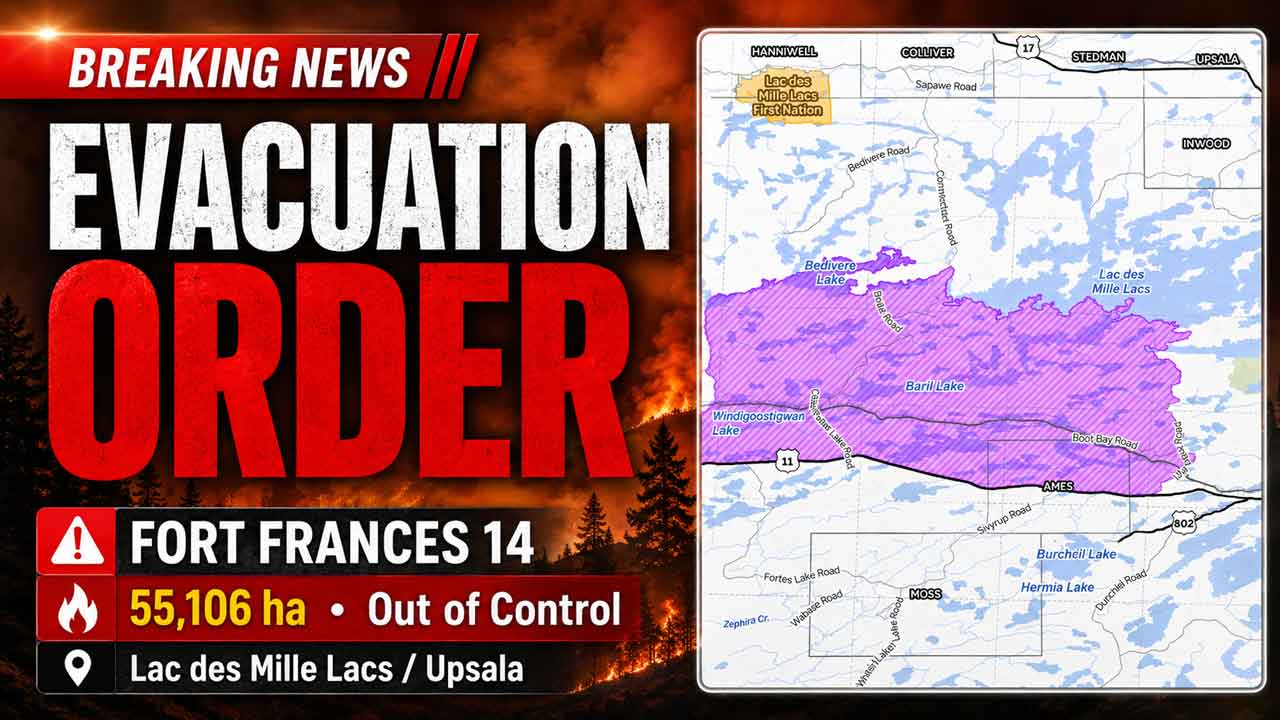 Environment
Updated Evacuation Information for Wildfire Fort Frances 14 (July 17 2026)
Environment
Updated Evacuation Information for Wildfire Fort Frances 14 (July 17 2026)
 Environment
50-hectare wildfire burns between Clearwater and 100 Mile House
Environment
50-hectare wildfire burns between Clearwater and 100 Mile House
 Environment
A powerful movement of healing arrives at Delta’s Discovery Centre
Environment
A powerful movement of healing arrives at Delta’s Discovery Centre
 Environment
Port Coquitlam mayor launches program that removes graffiti on public property within 48 hours
Environment
Port Coquitlam mayor launches program that removes graffiti on public property within 48 hours
 Environment
2 wildfires north of Anahim Lake currently out-of-control
Environment
2 wildfires north of Anahim Lake currently out-of-control
 Environment
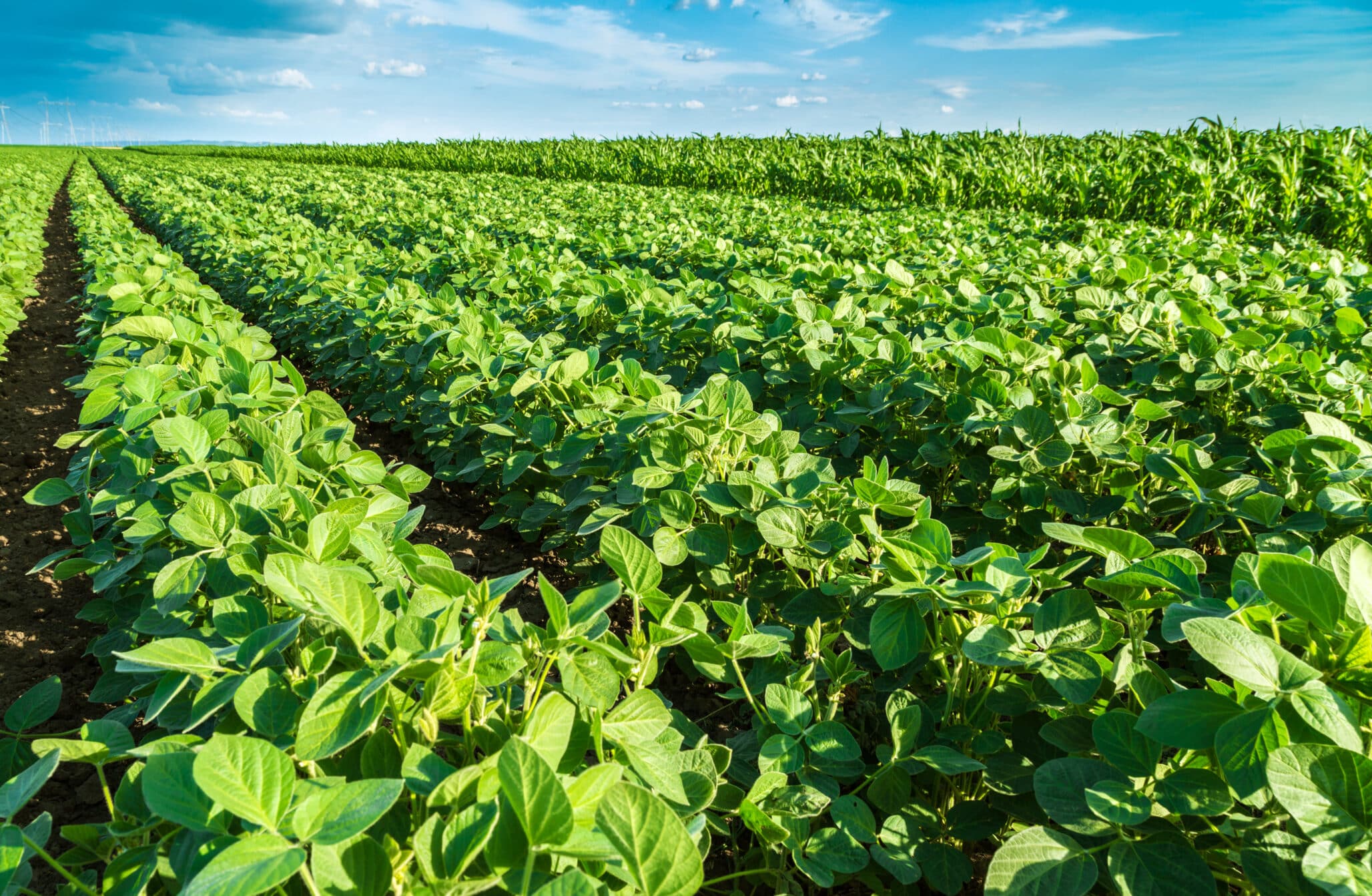
EU Excludes Soybean Seed from Deforestation Rules
Environment
EU Excludes Soybean Seed from Deforestation Rules
More Local Coverage
Latest news Business
AI Market Trends: Q2 2026 Review and Forecast
Business
AI Market Trends: Q2 2026 Review and Forecast
 Politics
Powerful pro-life ad featuring boxing legend to air during final World Cup matches
Politics
Powerful pro-life ad featuring boxing legend to air during final World Cup matches
 Local News
Cowichan sports shorts: rugby, hockey, biking
Local News
Cowichan sports shorts: rugby, hockey, biking