


The BC Wildfire Service has announced that a campfire ban is coming to much of the province starting tomorrow. In a notice issued by the Ministry of Forests, the Coastal Fire Centre’s Campfire Prohibition stated that Category 1, 2, and 3 open fires will be prohibited throughout the Coastal Fire Centre’s jurisdiction starting on Thursday, July 16, at 12 noon. However, exceptions are in place for Category 1 in parts of the North Island and Sunshine Coast. You might also like: - Vancouver is Canada's most expensive city to rent in and afford a vacation - Tesla driver fails spectacularly to evade Fraser Valley police by rolling up window - Suspicious fire at Surrey City Hall causes 'significant' damage “Conditions are continually monitored, and restrictions are implemented where they are needed most to reduce the risk of human-caused wildfires and help protect communities, responders and our forests,” announced BC Wildfire Service on social media. According to the Government of BC, the ban, which restricts category 2 and 3 open fires, also prohibits: - Fireworks - Binary exploding targets - Sky Lanterns - Burn barrels or burn cages of any size or description - Controlled air incinerators - Air curtain burner - Carbonizers Category 1 campfires are still allowed in four districts in the province, including the Campbell River Forest District, North Island Central Coast Forest District, Haida Gwaii Forest District, and Sunshine Coast Forest District. “Anyone choosing to light a Category 1 campfire in permitted areas must do so responsibly and in accordance with Section 20 of the Wildfire Regulation,” added the BC Wildfire Service. Its guidelines include: - Do not burn in windy conditions - Establish and maintain a fuel break - Do not leave the fire unattended - Ensure the fire is fully extinguished before leaving the area - Carry out fire control immediately and/or report the fire if it spreads beyond the established fuel break B.C. wildfires could still take a turn for the worse this summer. The BC Wildfire Service told Daily Hive in an email that, while we’ve seen “moderate June rains in various areas of the province,” there is cause for concern, as “underlying drought conditions remain.” This is especially prevalent in the South Coast and central and Southern Interior Regions. The Summer 2026 Seasonal Outlook noted that long-range guidance still “favours a warmer-than-normal summer across much of B.C. and Canada.” Members of the public who see a wildfire, an unattended campfire, or an open burning violation are asked to call 1-800-663-5555 toll-free, *5555 on a cell phone, or send a report through the BC Wildfire public mobile app. You might also like: - Vancouver is Canada's most expensive city to rent in and afford a vacation - Tesla driver fails spectacularly to evade Fraser Valley police by rolling up window - Suspicious fire at Surrey City Hall causes 'significant' damage
The BC Wildfire Service has announced that a campfire ban is coming to much of the province starting tomorrow. In a notice issued by the Ministry of Forests, the Coastal Fire Centre’s Campfire Prohibition stated that Category 1, 2, and 3 open fires will be prohibited throughout the Coastal Fire Centre’s jurisdiction starting on Thursday, July 16, at 12 noon. However, exceptions are in place for Category 1 in parts of the North Island and Sunshine Coast.
- You might also like: - Vancouver is Canada's most expensive city to rent in and afford a vacation - Tesla driver fails spectacularly to evade Fraser Valley police by rolling up window - Suspicious fire at Surrey City Hall causes 'significant' damage “Conditions are continually monitored, and restrictions are implemented where they are needed most to reduce the risk of human-caused wildfires and help protect communities, responders and our forests,” announced BC Wildfire Service on social media. According to the Government of BC, the ban, which restricts category 2 and 3 open fires, also prohibits: - Fireworks - Binary exploding targets - Sky Lanterns - Burn barrels or burn cages of any size or description - Controlled air incinerators - Air curtain burner - Carbonizers Category 1 campfires are still allowed in four districts in the province, including the Campbell River Forest District, North Island Central Coast Forest District, Haida Gwaii Forest District, and Sunshine Coast Forest District.
“Anyone choosing to light a Category 1 campfire in permitted areas must do so responsibly and in accordance with Section 20 of the Wildfire Regulation,” added the BC Wildfire Service. Its guidelines include: - Do not burn in windy conditions - Establish and maintain a fuel break - Do not leave the fire unattended - Ensure the fire is fully extinguished before leaving the area - Carry out fire control immediately and/or report the fire if it spreads beyond the established fuel break B.C. wildfires could still take a turn for the worse this summer.
The BC Wildfire Service told Daily Hive in an email that, while we’ve seen “moderate June rains in various areas of the province,” there is cause for concern, as “underlying drought conditions remain.” This is especially prevalent in the South Coast and central and Southern Interior Regions. The Summer 2026 Seasonal Outlook noted that long-range guidance still “favours a warmer-than-normal summer across much of B.C. and Canada.”
Members of the public who see a wildfire, an unattended campfire, or an open burning violation are asked to call 1-800-663-5555 toll-free, *5555 on a cell phone, or send a report through the BC Wildfire public mobile app.
- Published
- Jul 15, 2026
- Updated
- Jul 15, 2026
- Source
- Daily Hive Victoria
- Category
- Environment
- City
- Surrey
- Read time
- 2 min
Key facts
Why this matters locally
This environment story matters locally because it may affect readers, businesses, commuters, families, or public services in Surrey.
Local impact
BC Post links this item to Surrey coverage so readers can follow related city updates, weather, traffic, events, and category news in one place.
Timeline
Source and credit
BC Post may summarize, organize, and add local context for reader clarity. Original reporting remains with the listed publisher.
Related Articles
View all Business
Starchuk seeking judicial review of Surrey arena land-swap
Business
Starchuk seeking judicial review of Surrey arena land-swap
 Environment
50-hectare wildfire burns between Clearwater and 100 Mile House
Environment
50-hectare wildfire burns between Clearwater and 100 Mile House
 Environment
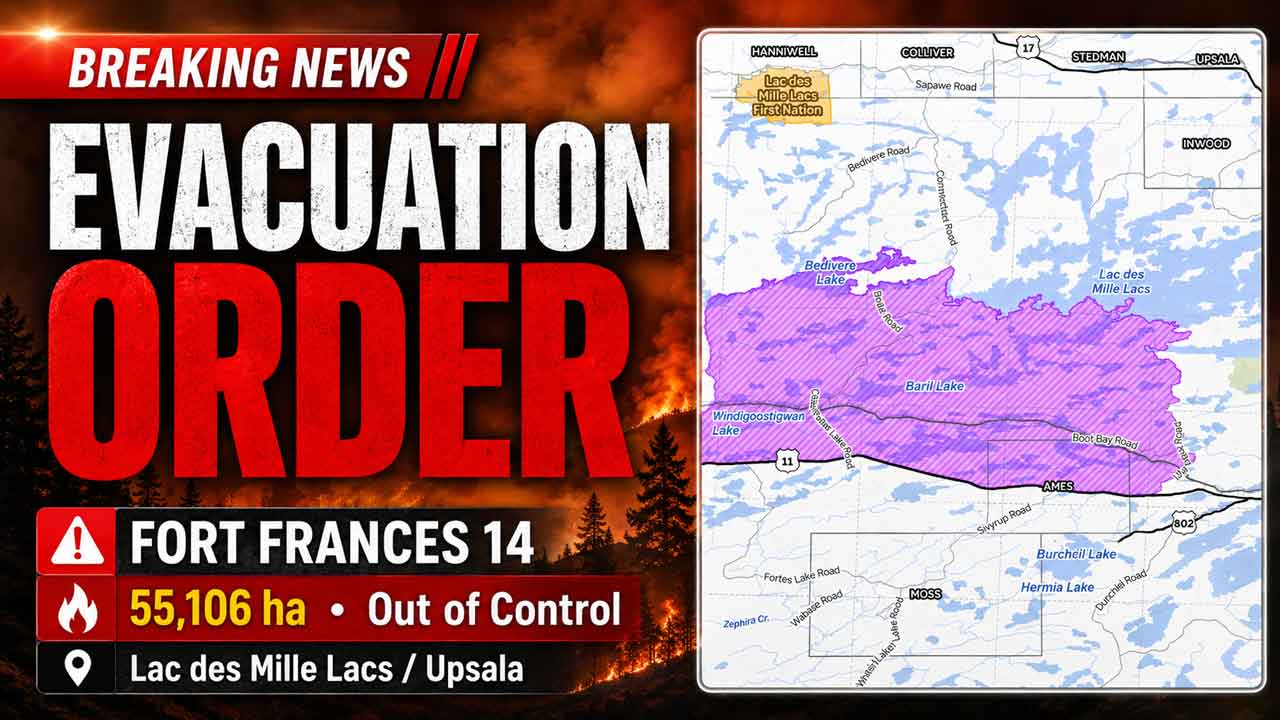
Updated Evacuation Information for Wildfire Fort Frances 14 (July 17 2026)
Environment
Updated Evacuation Information for Wildfire Fort Frances 14 (July 17 2026)
 Top
Million-dollar contract awarded for Surrey Sport & Leisure Complex renos
Top
Million-dollar contract awarded for Surrey Sport & Leisure Complex renos
 Local News
Government of Canada to announce investments to help Surrey businesses boost productivity and reach new markets
Local News
Government of Canada to announce investments to help Surrey businesses boost productivity and reach new markets
 Environment
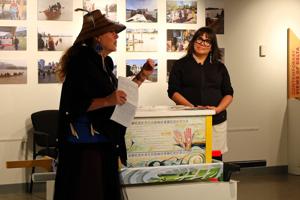
A powerful movement of healing arrives at Delta’s Discovery Centre
Environment
A powerful movement of healing arrives at Delta’s Discovery Centre
More From Surrey
View all



More Local Coverage
Latest news Business
AI Market Trends: Q2 2026 Review and Forecast
Business
AI Market Trends: Q2 2026 Review and Forecast
 Politics
Powerful pro-life ad featuring boxing legend to air during final World Cup matches
Politics
Powerful pro-life ad featuring boxing legend to air during final World Cup matches