


"Camp Douglas and the Civil War at Home " is open to the public at Lombard's Sheldon Peck Homestead through November
A prominent figure in the establishment of Lombard also played a vital role at one of the largest Civil War sites in Illinois—Camp Douglas. Lombard’s General Benjamin Sweet was a Union officer and former Wisconsin politician who relocated to a farm at what was then Babcock’s Grove, now Lombard. Badly wounded at the 1862 Civil War Battle of Perryville and no longer able to serve in battle, Sweet was ordered to take command of Camp Douglas in late 1864.
Located on Chicago’s southside, Camp Douglas first served as a training camp for Union soldiers but later became a prisoner of war camp for Confederate soldiers. It is estimated to have housed more than 30,000 prisoners from 1862 until the war’s end in 1865. Assuming leadership of Camp Douglas during a tense period, Sweet and other Union officials were concerned over escape attempts and attacks by Confederate supporters.
The prisoner of war camp also faced disease and overcrowding. Today, little physical evidence of Camp Douglas remains, however, it once encompassed more than 200 buildings over 60 acres. “Bringing a bit a Camp Douglas to a local level has been really exciting to see how all these things compilate the connections and how local history connects to a bigger fabric of things,” said Lombard Historical Society Executive Director Alison Costanzo.
The exhibition is on loan from the Camp Douglas Restoration Fund. Camp Douglas and the Civil War at Home is open to the public at the Sheldon Peck Homestead, one of the sites of the Lombard Historical Society from noon to 4 p.m. on Tuesdays, Thursdays and Saturdays through the end of November. The exhibit includes details about Sweet and his daughter, Ada Celeste Sweet, a pioneering federal official and reformer who also worked at Camp Douglas.
The son of Sheldon and Harriet Peck, Sanford Peck, was one of the youngest members of the Union Army, joining when he was just 15 years old, Costanzo said. He was one of many men from the area who served. Without a brick-and-mortar location, the Camp Douglas Restoration Foundation has created three sets of traveling exhibits to tell the story of Camp Douglas.
The exhibit includes artifacts from archeological digs at the site. But physical clues from the past have been difficult to find due to the Chicago Fire, Costanzo said. “In 1871, the Chicago Fire happens and all these wood structures burn down,” she said.
“They have done an amazing job of digging up the past.” The exhibit is self-guided with docents on hand to answer questions, Costanzo said. “There is a lot to come and see at a local museum,” she added.
“It is in your backyard. You go on vacation and visit museums, but sometimes you don’t think about visiting ones in your backyard.” History “is complicated and messy.
It is not a straight line,” Costanzo said. “Sometimes people want things to be linear because it is easier to digest, but what is fascinating is the connection between things. I love finding the connections, that is what makes an interesting story.”
“We work really hard here to tell an interesting story based on fact,” Costanzo said. “We are telling these amazing things that happened by ordinary people. They were just everyday people, not thinking about making history.”
The Lombard Historical Society also operates the Victorian Cottage Museum, the Carriage House and the Society’s Archives at 23 W. Maple Street. All are free, but donations are accepted.
- Published
- Jul 17, 2026
- Updated
- Jul 17, 2026
- Source
- Shaw Local
- Category
- Tourism
- Read time
- 3 min
Key facts
Why this matters locally
This tourism story matters locally because it may affect readers, businesses, commuters, families, or public services in British Columbia.
Local impact
BC Post links this item to British Columbia coverage so readers can follow related city updates, weather, traffic, events, and category news in one place.
Timeline
Source and credit
BC Post may summarize, organize, and add local context for reader clarity. Original reporting remains with the listed publisher.
Related Articles
View all Tourism
The Art of Migration – A Touring Exhibit Makes a Stop at the Art Gallery of Golden
Tourism
The Art of Migration – A Touring Exhibit Makes a Stop at the Art Gallery of Golden
 Tourism
B.C.'s biggest free multicultural festival returns to Surrey this weekend
Tourism
B.C.'s biggest free multicultural festival returns to Surrey this weekend
 Tourism
Summer in central Alberta, the best celebration of the year
Tourism
Summer in central Alberta, the best celebration of the year
 Tourism
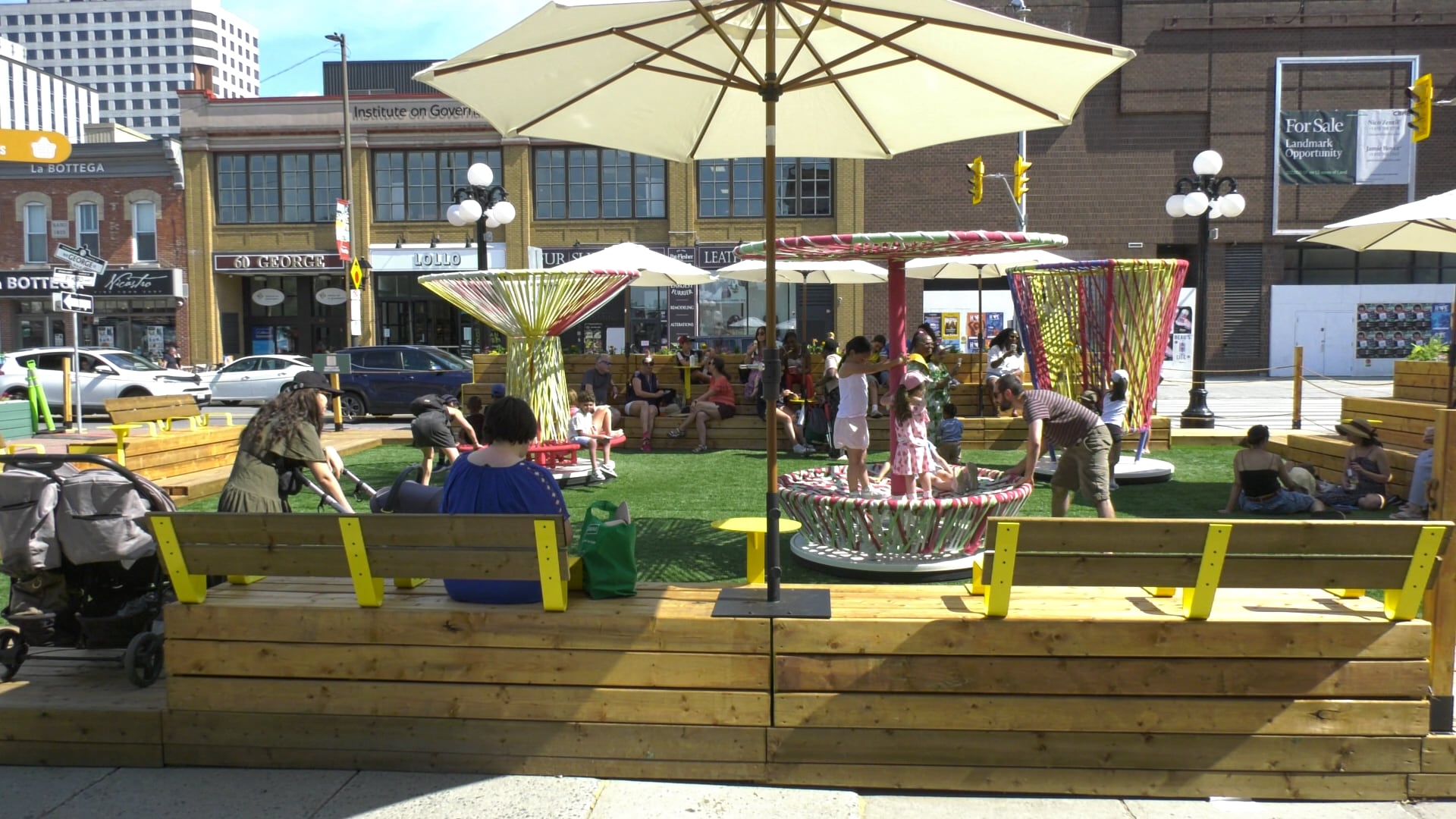
‘Beautiful, bright space:’ New public square looks to help revitalize the ByWard Market
Tourism
‘Beautiful, bright space:’ New public square looks to help revitalize the ByWard Market
 Tourism
GALLERY: Millarville Christ Church hosts Flower Festival
Tourism
GALLERY: Millarville Christ Church hosts Flower Festival
 Tourism
This downtown restaurant is the most fun you'll have eating ramen in Vancouver
Tourism
This downtown restaurant is the most fun you'll have eating ramen in Vancouver
More Local Coverage
Latest news Business
AI Market Trends: Q2 2026 Review and Forecast
Business
AI Market Trends: Q2 2026 Review and Forecast
 Politics
Powerful pro-life ad featuring boxing legend to air during final World Cup matches
Politics
Powerful pro-life ad featuring boxing legend to air during final World Cup matches