


Albertans can now report concerns about bike lanes through a new provincial web portal as Alberta ramps up its scrutiny of cycling infrastructure, drawing mixed reaction from Calgary politicians, cycling advocates and residents.
Albertans can now report concerns about bike lanes through a new provincial web portal as Alberta ramps up its scrutiny of cycling infrastructure, drawing mixed reaction from Calgary politicians, cycling advocates and residents. The online form, launched Wednesday, asks users to identify bike lanes they believe are problematic and select concerns ranging from reduced parking and increased traffic congestion to impacts on businesses and emergency response times. The feedback aims to help shape legislation expected this fall that could give the province more authority to review or remove bike lanes.
Transportation Minister Devin Dreeshen has said the government wants to identify locations that generate the most complaints and determine whether bike lanes are creating traffic congestion, hurting businesses or affecting emergency response times. The province has also requested information from Calgary and Edmonton on the impacts of individual bike lanes but says it has not yet received the level of detail it’s seeking. The launch of the portal has reignited debate over who should decide how city streets are designed and whether the online survey presents a balanced picture of public opinion.
Critics question whether feedback is balanced Users submitting feedback through the portal are asked to choose from several concerns, but some city councillors point out that there is no specific option allowing users to indicate support for bike lanes. The province refutes those claims, noting that says residents can provide positive comments through an open-ended response section. Ward 9 Coun.
Harrison Clark said however that the way the web portal questions are framed is one of his biggest concerns with the consultation. “I ask what the value is of this data set, considering how narrow it is,” Clark said. “There’s no opportunity to clearly highlight the benefits or the desire for these things.
It’s simply a place to relay concerns, present aggression and anger about something very simple.” Bike Calgary president Doug Clark echoed those concerns. “It appears to be just a mechanism to collect negative feedback,” he said.
“We would much rather like to see a more balanced discussion, let’s capture the positives and the negatives, so you can actually have a balanced understanding of what the issues are.” Supporters say review is overdue Not everyone at city hall opposes the province’s involvement. Ward 13 Coun.
Dan McLean said he welcomes additional public input and believes Calgary should have studied its bike lane network years ago. “There should be a review on bike lanes,” McLean said. “We need to know how often they’re being used, where they’re being put, how much they cost before we just keep building them.”
He said he has repeatedly called for traffic impact assessments and further analysis before new projects proceed. While acknowledging the consultation should allow people to express both positive and negative opinions, McLean said gathering feedback is worthwhile. “Why not get people’s opinions?
I have no problem with that.” McLean also questioned whether some projects provide enough value for their cost. “There are certain bike lanes that just not only seem to take away a lot of parking, but traffic also gets jammed up.”
He also argued expanding bike lanes into suburban communities may not always make sense. “We don’t need bike lanes picking up on major roadways or boulevards. We have pathways.
We have lots of other ways to go around in the suburbs.” Debate over provincial involvement Earlier this year in May, Mayor Jeromy Farkas said he would push back on legislation that makes roads less safe for cyclists Farkas previously noted that he was bothered by the idea the Alberta government could tear up bike lanes that kids use to commute to school and that make roads more safe for cyclists. “Anything that the province wants to do that could potentially make roads less safe for kids right now, I’ll strongly be pushing back,” he said.
Dreeshen had pointed to pathways off of roads as well as LRT routes as examples of where bike lanes could make sense. The minister added the province is “always hoping” to meet with cycling groups to discuss safety concerns. Still, the new portal is also raising questions about whether the province should be involved in decisions traditionally made by municipalities.
Harrison Clark argued transportation planning belongs at the local level. “It certainly is a municipal issue. Let’s be very clear about that,” he said.
He added the province should instead focus on other transportation issues. “I think fundamentally, the province should be thinking about its radar ticketing system, all of the things that they’ve removed from our capacity to not only raise money but also create safer spaces for everybody to use the roads.” Doug Clark also said Bike Calgary believes municipalities are best positioned to determine where cycling infrastructure belongs.
“It’s city administration and council’s responsibility to build the city, to operate the city, and transportation is a key component of that,” he said. “What the province is doing here is kind of a duplication, a lack of trust.” He added the city is already responsible for balancing the needs of motorists, cyclists, pedestrians and transit users through public consultation and transportation planning.
As a taxpayer, he said, he’d rather see provincial resources directed elsewhere. “It’s an unnecessary effort when there are a lot more important things that they should be looking at with health care and education.”
- Published
- Jul 16, 2026
- Updated
- Jul 16, 2026
- Source
- Ctv News
- Category
- Top
- Read time
- 4 min
Key facts
Why this matters locally
This top story matters locally because it may affect readers, businesses, commuters, families, or public services in British Columbia.
Local impact
BC Post links this item to British Columbia coverage so readers can follow related city updates, weather, traffic, events, and category news in one place.
Timeline
Source and credit
BC Post may summarize, organize, and add local context for reader clarity. Original reporting remains with the listed publisher.
Related Articles
View all Top
Rock the Lake celebrated its ninth year at Prospera Place this past weekend
Top
Rock the Lake celebrated its ninth year at Prospera Place this past weekend
 Top
Million-dollar contract awarded for Surrey Sport & Leisure Complex renos
Top
Million-dollar contract awarded for Surrey Sport & Leisure Complex renos
 Top
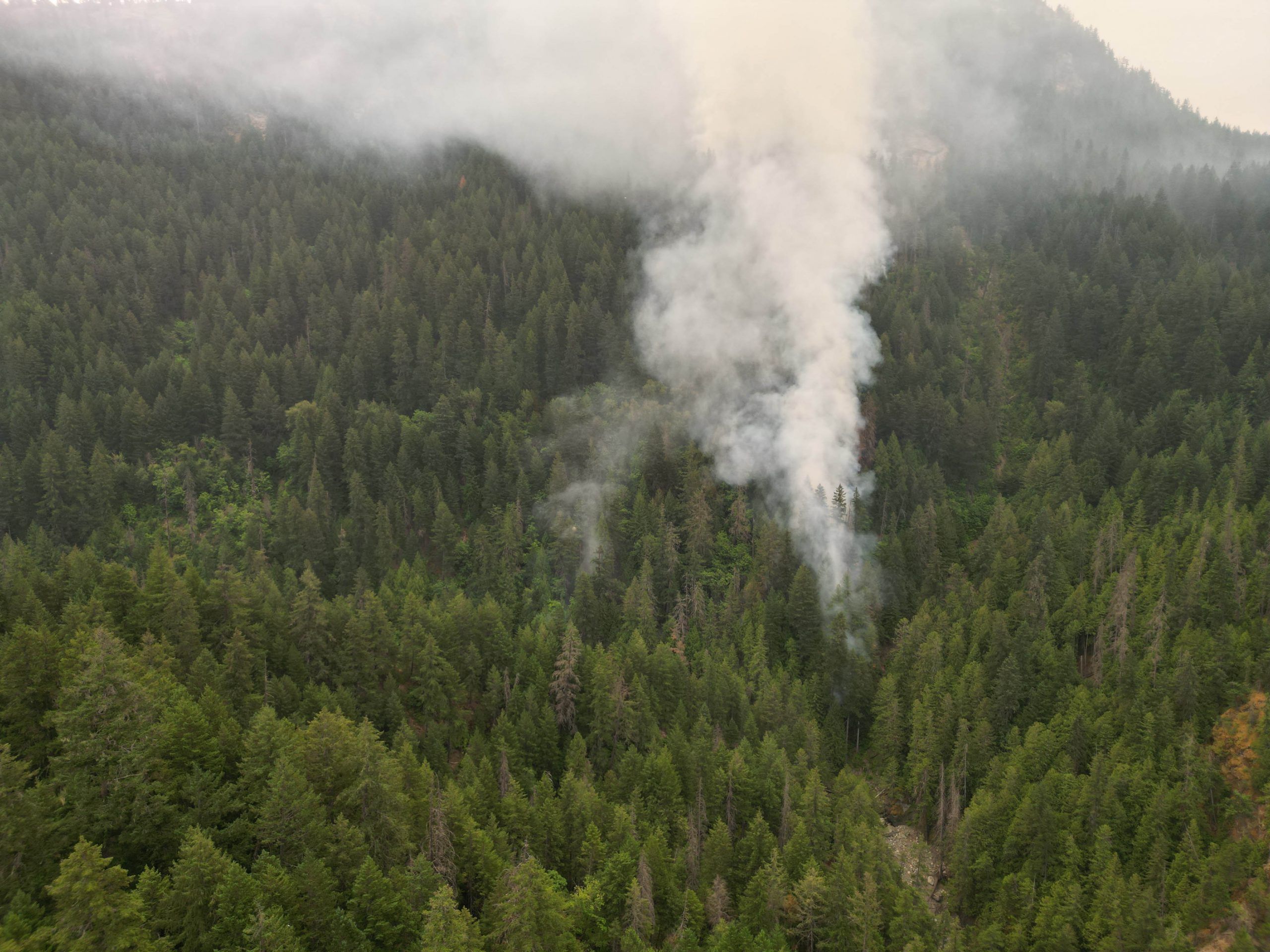
Brunswick Creek wildfire grows, leads to air quality warning in east Fraser Valley
Top
Brunswick Creek wildfire grows, leads to air quality warning in east Fraser Valley
 Top
MLA Jordan Kealy to face jury in sexual assault case
Top
MLA Jordan Kealy to face jury in sexual assault case
 Top
BCWS aircraft helping Kamloops firefighters battle grass fire above Shuswap Road
Top
BCWS aircraft helping Kamloops firefighters battle grass fire above Shuswap Road
 Top
'A sacred place': Delta park to get dedicated ash-scattering site
Top
'A sacred place': Delta park to get dedicated ash-scattering site
More Local Coverage
Latest news Business
AI Market Trends: Q2 2026 Review and Forecast
Business
AI Market Trends: Q2 2026 Review and Forecast
 Politics
Powerful pro-life ad featuring boxing legend to air during final World Cup matches
Politics
Powerful pro-life ad featuring boxing legend to air during final World Cup matches