

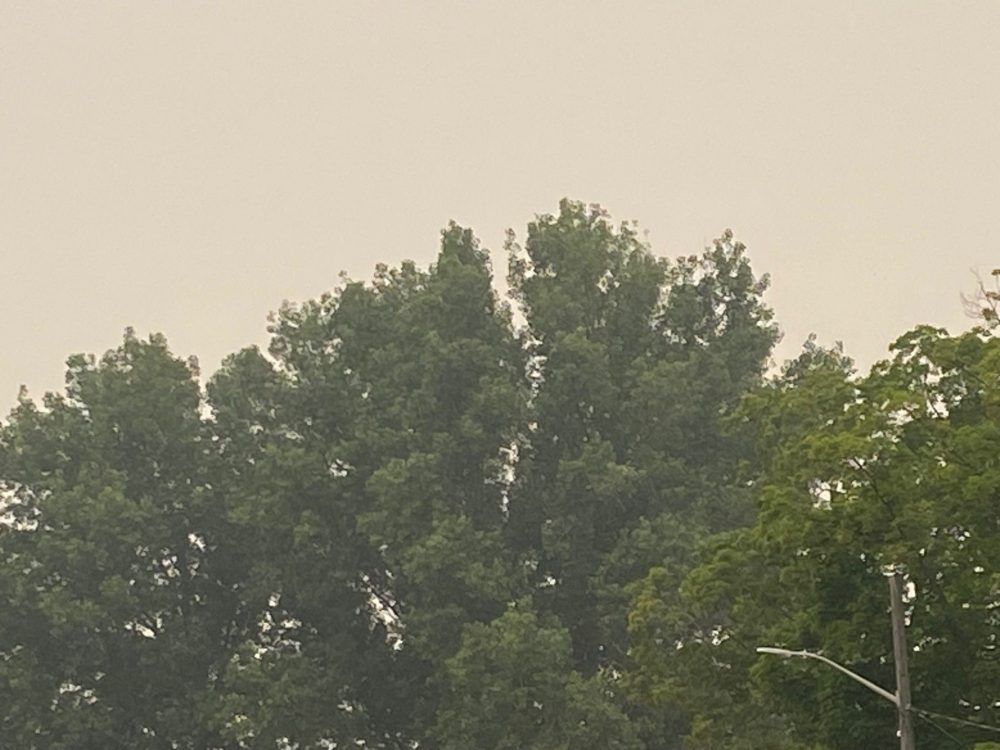
Poor air quality in Chatham-Kent is expected this week, as wildfire smoke from northwestern Ontario moves into the area, public health officials say. An orange level air quality warning was issued, stated a release, with residents urged to use caution when outdoors. “Wildfire smoke can be harmful to everyone’s health, even at low concentrations,” the [...]
Article content Poor air quality in Chatham-Kent is expected this week, as wildfire smoke from northwestern Ontario moves into the area. An orange-level air quality warning was issued, with residents urged to use caution when outdoors. Recommended Videos “Wildfire smoke can be harmful to everyone’s health, even at low concentrations,” the health unit said.
“Additionally, people with lung disease (such as asthma) or heart disease, older adults, children, pregnant people, and people who work outdoors are at higher risk of experiencing health effects caused by wildfire smoke.” In its warning, Environment Canada recommends rescheduling or cancelling outdoor sports, activities and events. People may experience mild and common symptoms such as eye, nose and throat irritation, headaches or a mild cough.
More serious but less common symptoms include wheezing, chest pains or severe cough. If you think you are having a medical emergency, seek immediate medical assistance. Those more likely to be impacted by wildfire smoke, should avoid strenuous activities outdoors and seek medical attention if experiencing symptoms.
People should take the following actions to reduce exposure: • Monitor health. Stop or reduce activity levels and contact a health-care provider if you or someone in your care experiences shortness of breath, wheezing (including asthma attacks), severe cough, dizziness or chest pains. Stay inside if you are feeling unwell and experiencing symptoms.
• Keep indoor air clean. Keep doors and windows closed if the temperature in your home is comfortable.
Use an air purifier with a high-efficiency particulate air (HEPA) filter in a room where you spend a lot of time. Avoid air purifiers that produce ozone. Check the filter and change it if required.
• Take a break from the smoke. Temporarily relocate or find a location in your community with clean, cool air such as a public library, shopping mall or community centre.
• If you must spend time outdoors, a well-fitted respirator-type mask (such as a NIOSH-certified N95 or equivalent respirator) can help reduce exposure to the fine particles in smoke that pose the greatest risk to health. Note that respirators do not reduce exposure to the gases in wildfire smoke.
It is important to listen to your body and reduce or stop activities if you are experiencing symptoms. • Check in on others who are in your care or live nearby who may be more susceptible to smoke.
• Be aware of your mental health. It is normal to feel anxious or isolated during a smoke event.
If you experience feelings of stress, anxiety, or depression, contact a mental health-care provider for advice. For more information, visit www.airhealth.ca
- Published
- Jul 15, 2026
- Updated
- Jul 15, 2026
- Source
- Chathamdailynews
- Category
- Environment
- Read time
- 2 min
Key facts
Why this matters locally
This environment story matters locally because it may affect readers, businesses, commuters, families, or public services in British Columbia.
Local impact
BC Post links this item to British Columbia coverage so readers can follow related city updates, weather, traffic, events, and category news in one place.
Timeline
Source and credit
BC Post may summarize, organize, and add local context for reader clarity. Original reporting remains with the listed publisher.
Related Articles
View all Environment
50-hectare wildfire burns between Clearwater and 100 Mile House
Environment
50-hectare wildfire burns between Clearwater and 100 Mile House
 Environment
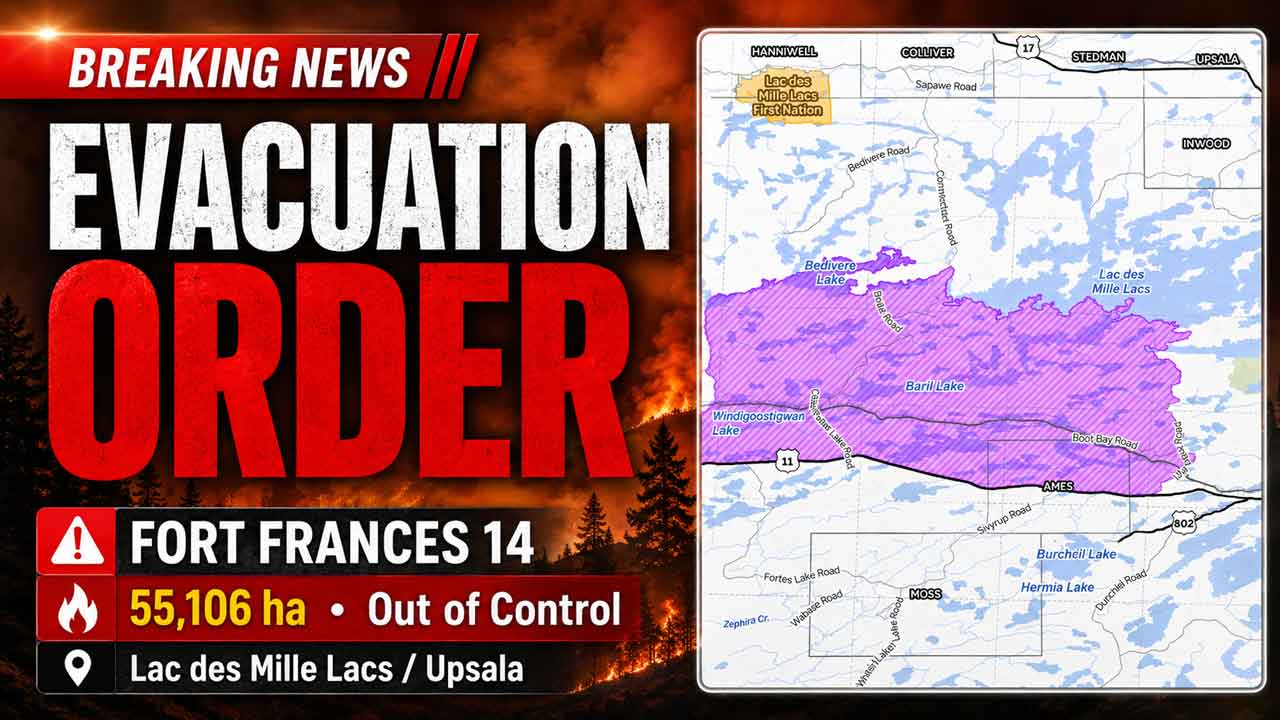
Updated Evacuation Information for Wildfire Fort Frances 14 (July 17 2026)
Environment
Updated Evacuation Information for Wildfire Fort Frances 14 (July 17 2026)
 Environment
A powerful movement of healing arrives at Delta’s Discovery Centre
Environment
A powerful movement of healing arrives at Delta’s Discovery Centre
 Environment
Port Coquitlam mayor launches program that removes graffiti on public property within 48 hours
Environment
Port Coquitlam mayor launches program that removes graffiti on public property within 48 hours
 Environment
EU Excludes Soybean Seed from Deforestation Rules
Environment
EU Excludes Soybean Seed from Deforestation Rules
 Environment
Metro Vancouver issues air quality warning as wildfire smoke drifts in
Environment
Metro Vancouver issues air quality warning as wildfire smoke drifts in
More Local Coverage
Latest news Business
AI Market Trends: Q2 2026 Review and Forecast
Business
AI Market Trends: Q2 2026 Review and Forecast
 Politics
Powerful pro-life ad featuring boxing legend to air during final World Cup matches
Politics
Powerful pro-life ad featuring boxing legend to air during final World Cup matches