


WEATHER ALERT ENVIRONMENT CANADA *********************** Yellow level warning - air quality - issued for: Manitouwadge - Hornepayne, Ont. (048330)
WEATHER ALERT ENVIRONMENT CANADA *********************** Yellow level warning - air quality - issued for: Manitouwadge - Hornepayne, Ont. (048330) Elliot Lake - Ranger Lake, Ont. (049200)
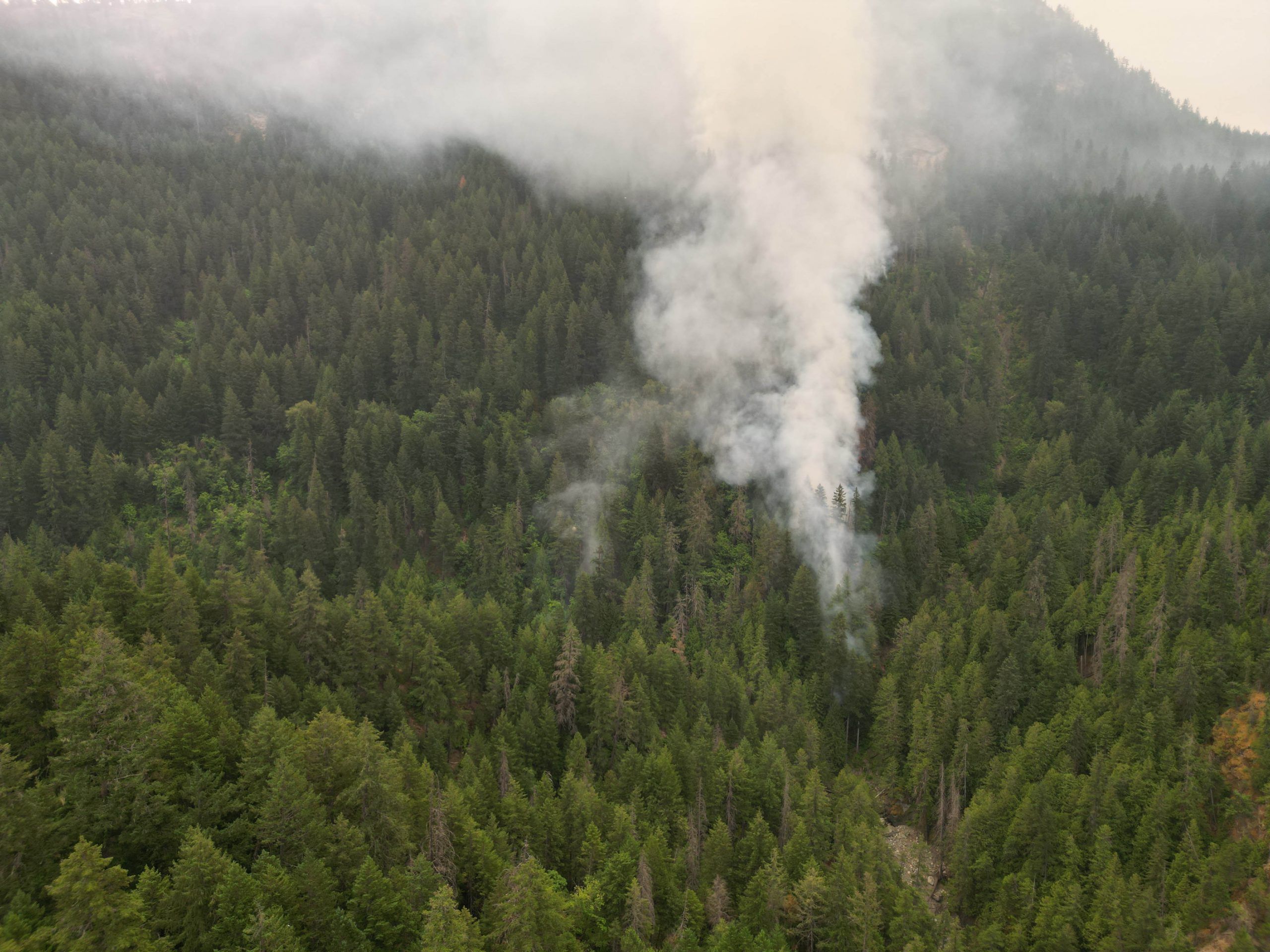
Chapleau - Missinaibi Lake, Ont. (049610) Impact Level: Moderate Forecast Confidence: High Smoke from wildfires is causing poor air quality and reduced visibility. Conditions may improve late today or tonight.
As smoke levels increase, health risks increase. Limit time outdoors. Consider reducing or rescheduling outdoor sports, activities and events.
You may experience mild and common symptoms such as eye, nose and throat irritation, headaches or a mild cough. More serious but less common symptoms include wheezing, chest pains or severe cough. If you think you are having a medical emergency, seek immediate medical assistance.
People more likely to be impacted by wildfire smoke, including people aged 65 and older, pregnant people, infants and young children, people with an existing illness or chronic health condition, and people who work outdoors, should reduce or reschedule strenuous activities outdoors and seek medical attention if experiencing symptoms. When indoors, keep windows and doors closed as much as possible. When there is an extreme heat event occurring with poor air quality, prioritize keeping cool.
Protect your indoor air from wildfire smoke. Actions can include using the highest quality air filter that your ventilation system can handle and/or a certified portable air cleaner that can filter fine particles. If you must spend time outdoors, a well-constructed, well-fitting and properly worn respirator type mask (such as a NIOSH-certified N95 or equivalent respirator) can reduce your exposure to the fine particles in the smoke.
Even though exposure may be reduced, there can still be risks to health. Check in on others who are in your care or live nearby who may be more likely to be impacted by wildfire smoke. Always follow guidance from local authorities.
Learn more at https://www.canada.ca/wildfire-smoke. For further information visit the website https://www.airqualityontario.com/ or contact the Ontario Ministry of the Environment, Conservation and Parks at 416-314-6666. Visit http://www.airhealth.ca for information on how to reduce your health risk and your personal contribution to pollution levels, as well as for current and forecast AQHI values.
Please continue to monitor alerts and forecasts issued by Environment Canada. More details on the alert are available here. ***********************
- Published
- Jul 15, 2026
- Updated
- Jul 15, 2026
- Source
- Sootoday
- Category
- Top
- Read time
- 2 min
Key facts
Why this matters locally
This top story matters locally because it may affect readers, businesses, commuters, families, or public services in British Columbia.
Local impact
BC Post links this item to British Columbia coverage so readers can follow related city updates, weather, traffic, events, and category news in one place.
Timeline
Source and credit
BC Post may summarize, organize, and add local context for reader clarity. Original reporting remains with the listed publisher.
Related Articles
View all Top
Rock the Lake celebrated its ninth year at Prospera Place this past weekend
Top
Rock the Lake celebrated its ninth year at Prospera Place this past weekend
 Top
Million-dollar contract awarded for Surrey Sport & Leisure Complex renos
Top
Million-dollar contract awarded for Surrey Sport & Leisure Complex renos
 Top
Brunswick Creek wildfire grows, leads to air quality warning in east Fraser Valley
Top
Brunswick Creek wildfire grows, leads to air quality warning in east Fraser Valley
 Top
'A sacred place': Delta park to get dedicated ash-scattering site
Top
'A sacred place': Delta park to get dedicated ash-scattering site
 Top
MLA Jordan Kealy to face jury in sexual assault case
Top
MLA Jordan Kealy to face jury in sexual assault case
 Top
BCWS aircraft helping Kamloops firefighters battle grass fire above Shuswap Road
Top
BCWS aircraft helping Kamloops firefighters battle grass fire above Shuswap Road
More Local Coverage
Latest news Business
AI Market Trends: Q2 2026 Review and Forecast
Business
AI Market Trends: Q2 2026 Review and Forecast
 Politics
Powerful pro-life ad featuring boxing legend to air during final World Cup matches
Politics
Powerful pro-life ad featuring boxing legend to air during final World Cup matches
 Local News
Cowichan sports shorts: rugby, hockey, biking
Local News
Cowichan sports shorts: rugby, hockey, biking